

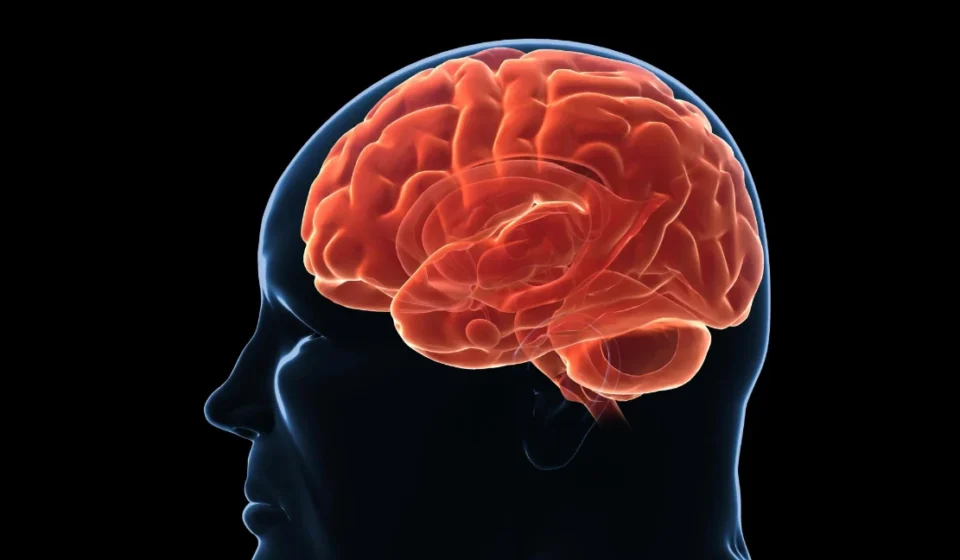

Millions of people know the feeling. The scale finally moves in the right direction after weeks or months of careful eating, regular exercise, and determined self control. Then, despite continuing healthy habits, hunger becomes harder to ignore, energy levels begin to fade, and the lost weight slowly finds its way back. New neuroscience research published on Aug 3, 2026, offers one of the clearest biological explanations yet for this frustrating cycle. Researchers have identified a brain mechanism suggesting that the human brain may continue treating a person’s previous highest body weight as its preferred normal state, triggering stronger hunger signals while reducing the amount of energy the body burns after weight loss.
The findings add fresh insight to a question that has challenged physicians, nutrition experts, and people living with obesity for decades. Rather than viewing weight regain as simply a lack of discipline, the research points toward a powerful biological response designed to defend what the brain believes is the body’s natural baseline.
A biological memory that refuses to forget
The newly identified mechanism appears to function like an internal reference point stored within the brain. After significant weight loss, this biological switch continues recognizing a person’s previous maximum weight as normal. As a result, the brain responds as though the body is experiencing an energy shortage, even when the individual remains healthy and well nourished.
This response activates two major processes at the same time. First, hunger becomes stronger and food appears more rewarding. Second, the body conserves energy by reducing metabolic expenditure, meaning fewer calories are burned throughout the day. Together, these changes create conditions that make maintaining weight loss considerably more difficult than losing weight in the first place.
The discovery supports years of observations made by clinicians who have seen patients work diligently to maintain healthier lifestyles while still experiencing persistent appetite and slower calorie burning after losing weight.
Why dieting often feels harder after early success
Many people assume that eating less becomes easier once healthier habits are established. The new findings suggest the opposite may happen inside the brain.
When body weight falls below the stored biological reference point, the nervous system may interpret the change as a threat to survival. This protective response developed over thousands of years when food shortages posed genuine danger. In modern environments where food is widely available, that same survival system may work against long term weight management.
People commonly report several experiences after substantial weight loss.
- Persistent hunger despite eating balanced meals.
- Greater cravings for calorie dense foods.
- Reduced energy during daily activities.
- Slower progress even while maintaining healthy routines.
- Gradual return of lost weight over months or years.
The study suggests these experiences may reflect biological adaptation rather than personal failure.
The science behind metabolic adaptation
Scientists have long recognized a phenomenon called metabolic adaptation. After weight loss, the body often burns fewer calories than would be expected for someone of the same size who has never been overweight. The newly identified brain mechanism may explain why this adjustment occurs.
Energy expenditure includes much more than exercise. It also covers the calories required for breathing, circulating blood, maintaining body temperature, repairing tissues, digesting food, and supporting normal brain function. If the brain signals the body to conserve energy, these processes may become more efficient, reducing total calorie use.
This creates a challenging situation. Someone who successfully loses weight may need to consume fewer calories than another person of identical weight who never experienced obesity. That difference can persist long after the diet itself has ended.
Researchers continue studying how hormones, nerve pathways, and specialized brain cells communicate to regulate appetite and metabolism. Educational resources from the National Institute of Diabetes and Digestive and Kidney Diseases explain that body weight is influenced by complex interactions among genetics, hormones, environment, behavior, and brain activity.
Changing how obesity is viewed in medicine
The study adds momentum to an important shift within healthcare. Obesity is increasingly recognized as a chronic medical condition influenced by biology instead of being viewed solely through the lens of personal choices.
This perspective has practical consequences. Physicians now understand that successful long term weight management often requires ongoing medical support, nutritional guidance, physical activity, behavioral strategies, and in some cases medication or surgery.
Seeing obesity as a disease with measurable biological drivers may also reduce the stigma many people experience when weight returns after successful treatment.
Healthcare professionals have repeatedly observed that patients who regain weight frequently feel guilt and frustration despite continuing many healthy behaviors. Research identifying specific brain mechanisms helps explain why maintaining weight loss can require far more effort than most people realize.
What this discovery could mean for future treatments
The identification of this biological switch creates new opportunities for scientists developing obesity therapies. Instead of focusing only on reducing calorie intake, future treatments may aim to reset or modify the brain’s stored weight reference.
Researchers hope that better understanding these neural pathways could eventually lead to medicines capable of reducing persistent hunger while restoring normal energy expenditure after weight loss.
Several modern obesity medications already influence appetite regulating pathways in the brain, producing significant and sustained weight reduction for many patients. This latest discovery may help scientists design even more targeted therapies that address the root biological processes responsible for weight regain.
Experts caution that additional research will be needed before these findings can be translated into routine clinical care. Human biology remains highly complex, and multiple systems interact to regulate body weight.
Healthy habits still matter
Although the study highlights strong biological influences, researchers stress that healthy eating, regular physical activity, adequate sleep, and consistent medical care remain essential for overall health. The findings should not discourage people from pursuing healthier lifestyles. Instead, they help explain why maintaining progress may require continued support rather than short term dieting alone.
Many healthcare providers now recommend realistic expectations focused on steady improvement instead of rapid weight loss. Small, sustainable changes often prove easier to maintain than restrictive eating plans that trigger cycles of repeated weight gain and loss.
Reliable guidance on nutrition, physical activity, and weight management can also be found through the Centers for Disease Control and Prevention, which provides evidence based recommendations for adults and families.
Questions researchers still hope to answer
The newly discovered mechanism raises several important scientific questions. Can the brain’s stored weight baseline be permanently adjusted? Does the biological memory differ between individuals? How do age, genetics, hormones, stress, and physical activity influence this process? Could early intervention prevent the baseline from shifting upward after prolonged weight gain?
Future clinical studies are expected to examine these questions across diverse populations. Scientists will also investigate whether different patterns of weight loss produce different biological responses and whether certain therapies can weaken the signals encouraging weight regain.
A more compassionate view of long term weight management
The latest neuroscience findings carry a message that reaches beyond laboratories and medical journals. They remind us that body weight is regulated by an intricate network of biological systems that evolved to protect human survival. For many people, maintaining weight loss is not simply a matter of determination. It involves working against powerful brain signals that increase hunger while conserving energy.
That understanding does not remove the value of healthy choices. Instead, it places those choices within a more accurate scientific framework. As researchers continue uncovering the biology behind obesity, healthcare providers may gain better tools to help patients maintain healthier weights without fighting an uphill battle against their own brains.
The discovery represents another step toward more personalized obesity treatment, offering hope that future therapies will address both behavior and biology. For millions who have struggled with repeated cycles of weight loss and regain, that shift could redefine how success is measured and how long term care is delivered.