

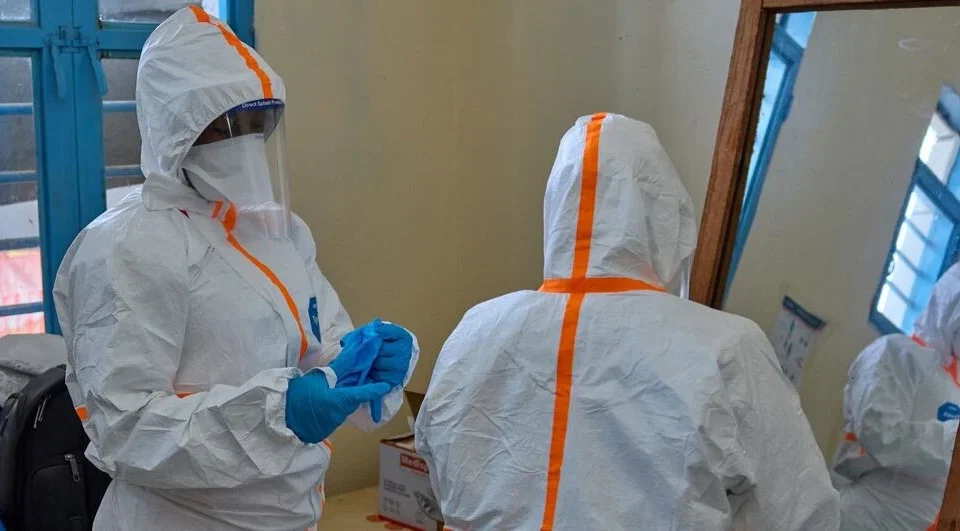

The World Health Organization delivered a stark warning on July 23, 2026, saying that efforts to contain a rapidly expanding Ebola outbreak are being strained by mounting operational and logistical challenges across several affected countries. Health officials are racing to stop new chains of transmission while confronting limited medical resources, difficult transportation networks, security concerns, and growing pressure on frontline workers. The situation serves as another reminder that infectious disease outbreaks can quickly cross regional boundaries when public health systems struggle to keep pace with a fast moving virus.
Growing Pressure on Public Health Systems
Health emergencies rarely unfold under ideal conditions, and the current Ebola outbreak reflects that reality. WHO officials explained that response teams are working across multiple countries where infrastructure varies widely and access to remote communities remains difficult. Every delay in identifying infected individuals creates new opportunities for the virus to spread among families, caregivers, and healthcare personnel.
Ebola is one of the world’s most dangerous viral diseases because it can cause severe illness with a high fatality rate when patients do not receive timely medical care. The virus spreads through direct contact with the bodily fluids of infected people or contaminated materials. Quick isolation, laboratory testing, contact tracing, and safe burial practices remain among the most effective tools for limiting transmission.
The challenge is not limited to medicine alone. Public health experts must also coordinate transportation, communications, laboratory services, medical supplies, and trained personnel at the same time. A weakness in any one of these areas can slow the entire response.
Operational Challenges Extend Beyond Hospitals
WHO officials highlighted several obstacles that continue to complicate containment efforts. Some communities remain difficult to reach because of damaged roads, seasonal weather conditions, or geographic isolation. Delivering protective equipment, diagnostic tests, vaccines, and treatment supplies to these locations often requires careful planning and substantial financial support.
Another concern involves maintaining enough trained healthcare workers. Responders frequently work long hours under physically demanding conditions while wearing protective equipment that can become exhausting in hot climates. Fatigue increases the importance of rotating personnel and providing adequate mental health support for medical teams.
Laboratory capacity also remains essential. Confirming suspected Ebola cases as quickly as possible allows public health officials to begin contact tracing before additional infections occur. Delays in testing may leave infected individuals in their communities longer than necessary, increasing the possibility of further transmission.
Why Community Trust Matters
Successful outbreak control depends as much on public confidence as it does on medical technology. Families must feel comfortable reporting symptoms early and cooperating with health authorities. Communities that receive accurate information are generally more willing to participate in screening programs, vaccination campaigns, and monitoring efforts.
Past Ebola outbreaks have shown that fear, misinformation, and rumors can discourage people from seeking medical attention. Some individuals may avoid treatment centers because they worry about stigma or misunderstand how the disease spreads. Building trust through local leaders, healthcare workers, and community organizations often proves just as valuable as deploying additional medical equipment.
Public health communication must remain clear, respectful, and culturally appropriate. Local languages, community traditions, and established relationships all influence how health messages are received during an emergency.
Vaccines and Treatments Offer Hope but Distribution Remains Complex
Scientific progress has significantly improved Ebola preparedness compared with earlier outbreaks. Effective vaccines and therapeutic treatments now exist for certain Ebola virus species, offering health authorities stronger tools than were available during previous global emergencies.
Even with these advances, delivering vaccines where they are needed presents logistical difficulties. Vaccination campaigns require trained teams, secure cold chain storage, transportation, accurate record keeping, and community participation. Each step becomes more demanding when outbreaks occur across several countries with differing healthcare capacities.
WHO continues to coordinate with governments, research institutions, humanitarian organizations, and international partners to improve vaccine access while supporting treatment centers caring for infected patients. Information about Ebola prevention and response remains available through the World Health Organization, which regularly updates technical guidance for healthcare professionals and governments.
International Cooperation Becomes Increasingly Important
No single country can fully manage a cross border infectious disease emergency in isolation. Neighboring nations often share transportation routes, commercial activity, and family connections that allow people to move frequently between communities. Coordinated surveillance helps health authorities identify potential cases before larger outbreaks develop.
International cooperation also supports laboratory testing, emergency funding, medical supply distribution, and deployment of experienced response teams. Organizations working alongside national governments frequently provide additional epidemiologists, infection prevention specialists, logistics experts, and emergency operations staff.
The current outbreak illustrates how global health security depends on investments made long before an emergency begins. Countries with stronger surveillance systems, trained healthcare workers, and emergency preparedness plans generally respond more quickly when new cases emerge.
The Economic and Social Impact Reaches Beyond Healthcare
Ebola outbreaks affect far more than hospitals. Schools, businesses, transportation services, agriculture, and local markets may all experience disruption as authorities work to reduce transmission. Families caring for sick relatives often face financial hardship while communities experience uncertainty about daily routines.
Healthcare facilities may postpone routine medical services as staff focus on emergency response. Vaccination programs for other diseases, maternal healthcare, and chronic disease management can also be affected when resources become stretched.
These indirect consequences demonstrate why rapid containment remains such an important objective. Every day that transmission continues increases pressure on healthcare systems and local economies alike.
Protecting Frontline Healthcare Workers
Doctors, nurses, laboratory technicians, ambulance personnel, and community health workers remain central to every Ebola response. Their safety directly influences the effectiveness of outbreak control efforts.
- Reliable supplies of personal protective equipment reduce occupational exposure.
- Regular infection prevention training helps maintain safe clinical practices.
- Rapid laboratory confirmation supports quicker isolation procedures.
- Mental health resources help responders manage prolonged periods of intense stress.
Protecting healthcare workers also preserves essential medical capacity within affected communities. Losing experienced professionals during an outbreak creates additional challenges for already strained health systems.
Public Health Surveillance Continues Around the Clock
Disease surveillance remains one of the strongest defenses against expanding outbreaks. Contact tracing teams identify people who may have been exposed, monitor them for symptoms, and arrange testing when necessary. This careful investigative work often determines whether isolated cases become widespread community transmission.
Modern surveillance combines field investigations with laboratory science, digital reporting systems, and international information sharing. Public health agencies continue reviewing new data daily to identify changing transmission patterns and allocate resources where they are needed most.
Additional scientific information regarding Ebola virus disease, symptoms, prevention strategies, and ongoing research is available through the United States Centers for Disease Control and Prevention, which provides guidance for healthcare professionals and the public.
Looking Ahead as the Response Continues
The WHO update underscores that controlling an accelerating Ebola outbreak requires more than emergency declarations. It demands sustained investment, international coordination, trusted community partnerships, reliable medical supply chains, and resilient healthcare systems capable of responding under difficult conditions.
Although significant obstacles remain, experience gained from previous outbreaks provides valuable lessons that continue shaping today’s response. Faster diagnostics, improved vaccines, stronger surveillance, and broader international cooperation have strengthened global preparedness. Even so, success ultimately depends on rapid action at the local level where patients receive care, contacts are identified, and communities work alongside health officials.
The coming weeks will be critical as governments, humanitarian organizations, researchers, and healthcare workers continue their efforts to slow transmission and protect vulnerable populations. The outbreak serves as a powerful reminder that infectious diseases remain a shared global responsibility requiring vigilance, scientific collaboration, and public trust. Every timely diagnosis, every safely managed patient, and every successfully interrupted chain of transmission moves affected communities one step closer to bringing the outbreak under control.