

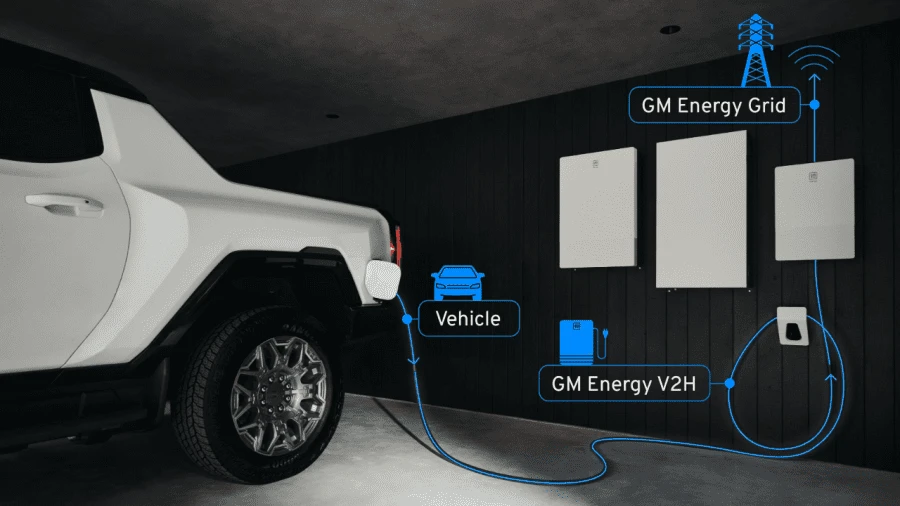

July 23, 2026 marks another milestone in the evolution of electric transportation as global automakers and residential energy providers expand Vehicle to Home, or V2H, infrastructure. The latest initiatives are built around a simple but increasingly valuable idea. An electric vehicle can do far more than move people from one place to another. During severe storms, wildfires, hurricanes, heat waves, and other weather related emergencies, it can also supply electricity to keep essential household systems operating when the local grid goes dark.
We are witnessing a broader shift in how people think about energy security. Homeowners have traditionally relied on fuel powered generators for emergency backup electricity. Now, advances in battery technology, bidirectional charging equipment, and smarter energy management systems are opening new possibilities. Families are beginning to view their parked electric vehicles as mobile energy storage units capable of providing comfort and stability during uncertain moments.
Vehicle to Home technology gains momentum worldwide
Vehicle to Home technology allows electricity stored inside an electric vehicle battery to flow back into a residence through a compatible bidirectional charging system. Unlike conventional charging, which sends electricity only into the vehicle, V2H creates a two way connection that enables power to move in either direction depending on household needs.
Recent partnerships between automobile manufacturers, electric utilities, charging equipment companies, and residential energy providers aim to make this technology more widely available. These initiatives include expanding compatible charging hardware, improving software that manages household energy consumption, and simplifying installation for homeowners interested in adding backup power capabilities.
Growing public interest is driven by increasingly frequent weather related disruptions. Communities across North America, Europe, Asia, and Australia have experienced longer power outages linked to hurricanes, flooding, wildfires, ice storms, and record breaking heat. Many households now see resilient home energy systems as an investment rather than a luxury.
How a parked electric vehicle can support an entire household
A modern electric vehicle often carries a battery with a storage capacity that rivals or exceeds many dedicated residential battery systems. When connected to a properly installed bidirectional charger, that stored electricity can temporarily supply selected household circuits after a power outage.
Essential appliances typically receive priority. Refrigerators continue preserving food, communication devices remain charged, medical equipment stays operational, lighting improves safety, and internet connectivity may continue supporting remote work and emergency information access. Some systems can even help maintain limited heating or cooling depending on the battery capacity and household energy demand.
The exact duration depends on several factors, including battery size, daily electricity consumption, weather conditions, and which appliances remain active. Conservative energy use can significantly extend backup operation during an emergency.
Automakers see electric vehicles becoming part of home energy planning
Vehicle manufacturers increasingly recognize that buyers evaluate electric vehicles for much more than driving range. Consumers are asking practical questions about long term ownership value, emergency preparedness, and energy savings.
As a result, more manufacturers are designing vehicles with hardware and software capable of supporting bidirectional energy transfer. Compatible charging solutions are becoming an important selling point alongside battery performance, safety features, and charging speed.
This broader strategy reflects changing consumer expectations. Instead of purchasing separate backup generators and residential battery systems, some homeowners may choose integrated solutions where one vehicle performs multiple roles throughout its lifespan.
Residential energy providers build smarter neighborhood power networks
Electric utilities and residential energy companies are also investing in technologies that better coordinate household electricity use. Smart energy platforms can determine when electricity prices are lower, when renewable generation is abundant, and when stored vehicle energy may provide the greatest benefit.
Many providers envision neighborhoods where homes equipped with solar panels, stationary batteries, and electric vehicles work together as flexible energy resources. During periods of high electricity demand, these connected systems could reduce stress on local distribution networks while helping maintain reliable service.
Organizations involved in electric transportation continue publishing guidance on bidirectional charging standards and infrastructure development through resources such as the International Energy Agency, which regularly tracks global electric vehicle adoption and energy trends.
Extreme weather is changing the conversation around energy resilience
Climate related weather events have made energy resilience an everyday concern for millions of households. Long lasting outages can interrupt healthcare, food storage, education, business operations, and communication with emergency responders.
Vehicle to Home technology offers one practical response to these challenges. Rather than depending entirely on centralized electricity generation, homeowners gain access to distributed energy stored directly on their property.
The experience during recent natural disasters has demonstrated how valuable even limited backup electricity can become. Simple comforts such as lights during nighttime, refrigeration for medications, or charging mobile phones often make a meaningful difference during extended recovery efforts.
Installation requires careful planning and professional expertise
Despite growing enthusiasm, Vehicle to Home systems require more than simply plugging an electric vehicle into a wall outlet. Proper installation involves certified bidirectional charging equipment, electrical panel integration, safety protections, and compliance with local building regulations.
Homeowners considering V2H systems should evaluate several important factors.
- Vehicle compatibility with bidirectional charging technology.
- Availability of approved charging hardware.
- Local utility requirements.
- Electrical capacity of the residence.
- Professional installation by qualified electricians.
Industry organizations such as the United States Department of Energy provide educational information covering residential energy storage, electric vehicle charging, and grid modernization that can help consumers understand these systems before making investment decisions.
Economic benefits may extend beyond emergency backup
Many analysts believe the long term financial appeal of Vehicle to Home technology extends well beyond disaster preparedness. Smart charging software may eventually allow homeowners to purchase electricity during periods of lower demand and rely on stored battery energy when electricity prices rise.
In regions with rooftop solar installations, electric vehicles may also store excess daytime solar generation for evening household use. This approach can improve overall energy efficiency while reducing dependence on peak electricity supply.
Although policies and utility programs vary widely between countries and local jurisdictions, energy experts expect additional incentives and regulatory support as bidirectional charging becomes more common.
Challenges remain before widespread adoption
Several barriers continue slowing large scale deployment. Compatible vehicles remain limited compared with the broader electric vehicle market. Bidirectional chargers generally cost more than traditional charging equipment, while installation expenses vary depending on the condition of existing household electrical systems.
Battery warranty considerations, utility approval processes, and evolving technical standards also influence purchasing decisions. Manufacturers and regulators continue refining these requirements to improve compatibility across different vehicle brands and charging networks.
Consumer education represents another important challenge. Many drivers remain unfamiliar with bidirectional charging capabilities or assume every electric vehicle already supports the feature. Clear communication about compatibility and installation requirements will likely become increasingly important as new products reach the market.
A changing vision for transportation and residential energy
The expanding investment in Vehicle to Home infrastructure reflects a broader shift in how electric vehicles fit into daily life. What began as a cleaner transportation option is steadily becoming part of a larger residential energy ecosystem that includes renewable generation, intelligent power management, and emergency preparedness.
We can already see how this approach reshapes expectations for both homeowners and the automotive industry. A family vehicle parked in the driveway may soon provide reassurance that extends well beyond transportation. During moments when severe weather interrupts everyday routines, the ability to keep lights on, preserve food, maintain communication, and support essential appliances offers a powerful reminder that innovation often delivers its greatest value when people need it most.
As automakers, utilities, and technology providers continue expanding compatible infrastructure, Vehicle to Home systems are positioned to become a defining feature of the next generation of electric mobility. The road ahead still includes technical and regulatory work, yet the direction is increasingly clear. Electric vehicles are evolving into versatile energy assets that strengthen household resilience while supporting a more flexible and reliable power future.