

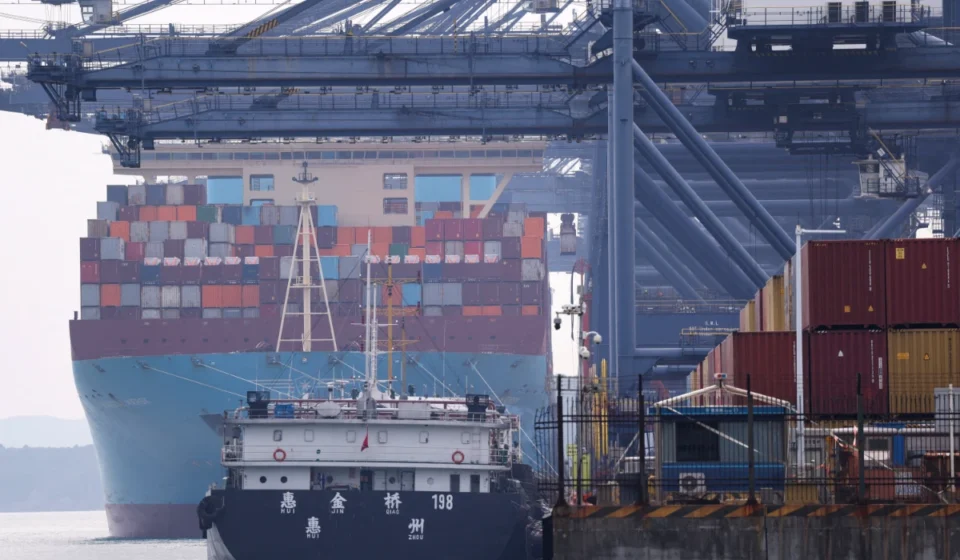

The European Union is preparing one of its most significant trade policy adjustments in recent years as officials seek stronger safeguards for key industries facing mounting pressure from global supply chain disruptions and ongoing trade tensions with China. On July 23, 2026, the European Commission outlined plans that could introduce sector wide tariffs and import quotas on selected strategic goods, marking a notable change in how Europe approaches economic security, industrial resilience, and international commerce.
We are witnessing a moment when trade policy is becoming closely linked with national competitiveness and long term economic stability. European manufacturers have spent years navigating shipping delays, rising production costs, geopolitical uncertainty, and changing global demand. Policymakers now argue that relying too heavily on overseas suppliers for essential products leaves businesses and consumers vulnerable during periods of disruption.
European Commission Places Economic Security at the Center of Trade Strategy
The proposed framework reflects a broader effort to strengthen domestic production while reducing exposure to concentrated foreign supply chains. Officials believe strategic sectors deserve additional protection because interruptions in critical imports can quickly spread across the wider economy.
Rather than applying identical measures across every imported product, the Commission is expected to focus on industries considered vital to European economic interests. These could include advanced manufacturing, clean energy technologies, industrial components, critical raw materials, and other products that support both civilian industries and future technological development.
The initiative represents a balancing act. European leaders continue to support open markets while acknowledging that extraordinary global conditions have exposed weaknesses within international supply networks. The Commission has increasingly framed economic resilience as an essential component of long term growth.
Supply Chain Disruptions Continue to Shape Global Trade Decisions
Businesses throughout Europe have experienced repeated challenges over the past several years. Factory closures, transportation bottlenecks, shipping delays, energy market volatility, and geopolitical disputes have all contributed to unpredictable delivery schedules and higher operating expenses.
Many manufacturers have responded by diversifying suppliers, increasing inventory levels, and investing in regional production capacity. Government policy is now moving in a similar direction by encouraging greater self reliance for strategically important industries.
The European Commission has argued that stronger domestic capabilities can help reduce future risks without completely abandoning international trade partnerships. More information about the Commission’s broader trade priorities can be found through the European Commission Directorate General for Trade.
China Remains a Central Factor in European Trade Planning
China continues to play an essential role in global manufacturing and remains one of the European Union’s largest trading partners. European companies depend on Chinese suppliers for numerous industrial inputs, electronics, machinery, chemicals, and consumer goods.
At the same time, European policymakers have expressed growing concern about market distortions, industrial subsidies, and the concentration of production capacity in several strategic sectors. Officials believe these factors can place European manufacturers at a competitive disadvantage while increasing vulnerability if trade relationships deteriorate.
The latest proposal does not necessarily signal a retreat from commercial engagement with China. Instead, policymakers appear focused on reducing excessive dependence while encouraging a broader network of international suppliers.
How Sector Specific Tariffs and Import Quotas Could Work
Although implementation details are expected to develop through further consultation, the proposal introduces two principal policy tools.
- Sector specific tariffs that increase import costs for selected strategic goods.
- Import quotas that limit the volume of certain products entering European markets.
Supporters argue these measures could encourage investment within Europe by making locally produced goods more competitive. Businesses may also gain greater confidence when making long term manufacturing investments if they expect stronger policy support for domestic production.
Critics, however, caution that higher import costs may eventually be reflected in prices paid by businesses and consumers. Companies that rely on imported components could also face additional challenges during the transition period.
European Manufacturers May Welcome Greater Protection
Many industrial organizations have long advocated stronger measures to support European production. Manufacturers competing against lower priced imports often argue that global competition should reflect comparable environmental standards, labor practices, and government support.
Industrial leaders suggest carefully designed trade safeguards could encourage new factory investment, research spending, and workforce development across Europe. Increased domestic production may also improve supply reliability for businesses that depend on consistent access to essential materials.
Smaller manufacturers could particularly benefit if policy changes reduce exposure to sudden price swings or supply shortages that have disrupted production schedules in recent years.
Businesses Dependent on Global Supply Networks Face New Questions
Not every industry is likely to benefit equally from additional trade protections. Companies operating within highly integrated international supply chains may encounter higher procurement costs if tariffs affect critical imported components.
Many firms have spent decades building efficient global sourcing networks that balance cost, quality, and production speed. Adjusting these systems requires significant planning, new supplier relationships, and fresh investment.
Executives will likely monitor implementation timelines carefully to determine whether new sourcing strategies become necessary before any policy changes take effect.
Consumers Could Experience Gradual Effects Rather Than Immediate Change
For households across Europe, the direct impact may initially remain limited. Many proposed measures would require legislative processes, consultations, and implementation planning before reaching the marketplace.
Over time, however, pricing patterns could shift if businesses experience higher import costs or increase investment in European manufacturing. Consumers may also benefit from stronger supply reliability if regional production reduces future shortages during periods of global disruption.
The ultimate outcome will depend on how industries adapt, how international trading partners respond, and whether domestic production expands quickly enough to meet demand.
Global Partners Will Closely Watch Europe’s Next Steps
The European Union remains one of the world’s largest trading blocs, meaning any significant policy adjustment attracts close international attention. Trading partners may evaluate whether similar measures become necessary within their own economies or whether negotiations can address outstanding concerns before broader restrictions emerge.
The international trading system continues to evolve as governments increasingly balance economic openness with industrial resilience and national security considerations. Guidance on global trade principles remains available through the World Trade Organization, which continues to serve as a central institution for international commerce.
Balancing Open Markets With Industrial Resilience
One of the defining questions facing European policymakers is how to strengthen domestic industries without significantly reducing the benefits of international trade. Europe has long supported open commercial relationships that encourage innovation, competition, and consumer choice.
The proposed strategy suggests that policymakers believe targeted safeguards can coexist with continued global engagement. Rather than replacing international trade, the objective appears to be creating a more balanced and diversified economic structure capable of withstanding future disruptions.
What Comes Next for European Trade Policy
The proposal is expected to move through consultation and legislative review before any final measures are adopted. Businesses, industry associations, member states, and international partners will all have opportunities to examine the potential economic consequences.
We expect detailed discussions over which sectors qualify as strategic, how tariffs and quotas would be calculated, and what exemptions may apply to specific products or trading relationships. These decisions will shape investment planning across manufacturing, technology, energy, and industrial production for years to come.
The European Commission’s latest initiative reflects a broader shift in global economic thinking. Resilient supply chains, industrial competitiveness, and economic security have become central priorities alongside traditional commitments to open trade. Whether the proposed framework successfully strengthens European industry while maintaining healthy international commerce will become one of the most closely watched economic stories in the months ahead.