

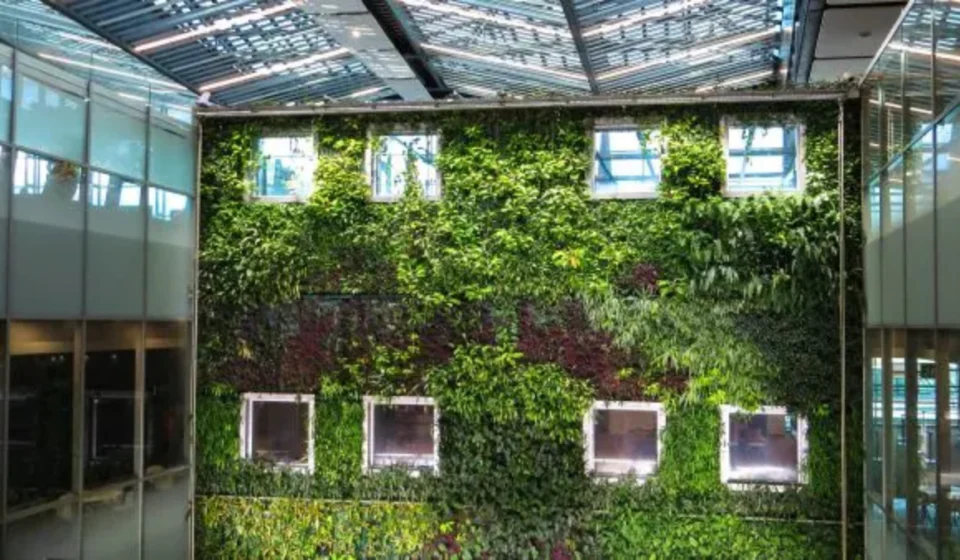

Communities across the globe are responding to relentless summer heat with a noticeable shift in the way homes are renovated, cooled, and lived in. A growing number of homeowners are investing in net zero retrofits while embracing biophilic interior design that brings nature indoors through carefully planned greenery, natural light, and healthier living spaces. The movement reflects more than a design preference. It signals a practical response to rising temperatures, increasing energy costs, and a broader desire for homes that support both environmental responsibility and personal wellbeing.
By Aug 3, 2026, housing markets in several regions had reported stronger demand for energy efficient home improvements that reduce electricity consumption while creating interiors that feel calmer and more comfortable during prolonged heat waves. Architects, builders, and sustainability experts say the combination of advanced building technology and nature inspired design is becoming one of the defining trends in residential construction.
Extreme Heat Changes the Conversation Around Home Improvement
For many families, recent summers have made indoor comfort a pressing concern. Long periods of high temperatures have increased dependence on air conditioning, pushing electricity bills higher while placing additional pressure on power grids. Rather than relying only on cooling equipment, homeowners are exploring renovations that help buildings remain naturally comfortable throughout the day.
Net zero retrofits focus on reducing energy demand before generating renewable energy. Improved insulation, better windows, efficient ventilation, rooftop solar panels, battery storage, and smart home systems work together to lower overall energy consumption. These upgrades allow homes to maintain stable indoor temperatures while reducing greenhouse gas emissions.
Industry specialists note that interest is no longer limited to newly built properties. Existing homes represent a significant opportunity because many were constructed before modern energy performance standards became common. Retrofitting older housing stock can provide substantial savings while extending the life of residential buildings.
Biophilic Design Moves Beyond Decorative Houseplants
Indoor plants have become a familiar sight in modern homes, yet biophilic design extends far beyond placing greenery in a living room. The concept centers on strengthening the connection between people and nature through thoughtful architecture, natural materials, daylight, fresh air, and visual access to outdoor landscapes.
Designers increasingly recommend layouts that maximize sunlight without increasing unwanted heat. Carefully positioned windows, shaded outdoor spaces, wooden finishes, stone textures, and indoor gardens help create environments that feel cooler and more inviting. Living walls, compact herb gardens, and native plant selections are appearing in apartments as well as single family homes.
Researchers continue to explore how natural environments influence physical and emotional wellbeing. Access to greenery has been associated with reduced stress, improved concentration, and greater comfort in indoor spaces. Information on healthy building practices is available through the World Health Organization, which highlights the importance of healthy indoor environments for overall public health.
Energy Savings Become a Financial Priority
The economic case for eco renovations has become increasingly persuasive. While some improvements require meaningful upfront investment, homeowners often view the work as protection against unpredictable utility expenses and future climate related risks.
Energy efficient windows reduce unwanted heat gain. Roof insulation helps keep cooled air inside the home. High performance ventilation systems improve indoor air quality while reducing unnecessary energy use. Smart thermostats learn household routines and adjust cooling schedules automatically.
Solar power installations also continue to expand in residential neighborhoods. Combined with battery storage, these systems allow households to produce a larger share of their own electricity, reducing dependence on conventional power sources during peak demand periods.
- Improved insulation lowers cooling requirements.
- Energy efficient windows reduce indoor heat buildup.
- Smart controls optimize daily electricity use.
- Solar panels support cleaner household energy production.
- Native landscaping helps cool outdoor surroundings naturally.
Natural Cooling Strategies Return to the Spotlight
Many renovation projects are rediscovering techniques that existed long before mechanical air conditioning became widespread. Cross ventilation, shaded courtyards, reflective roofing materials, and carefully positioned trees can significantly reduce indoor temperatures.
Architects say these passive cooling methods are especially valuable because they continue working regardless of electricity availability. When combined with modern building materials, they create homes that remain more resilient during heat emergencies and periods of high energy demand.
Landscape planning has also gained renewed attention. Trees positioned near windows can provide seasonal shade while allowing sunlight during cooler months. Green roofs and rooftop gardens help reduce heat absorption, improving both indoor comfort and surrounding neighborhood temperatures.
Housing Industry Responds With New Standards
Developers and construction firms are adapting quickly to changing consumer expectations. Buyers increasingly ask about insulation quality, renewable energy readiness, indoor air quality, and sustainable construction materials before making purchasing decisions.
Several industry organizations have expanded guidance covering resilient building practices, water conservation, and environmentally responsible construction methods. Resources provided by the United Nations Environment Programme continue to support governments and industry leaders working toward more sustainable buildings worldwide.
Financial institutions have also shown greater interest in supporting environmentally responsible housing through green financing options and renovation incentives. In some markets, energy efficient properties are attracting stronger long term value because buyers anticipate lower operating costs and improved climate resilience.
Urban Living Finds New Balance With Nature
The growing popularity of biophilic design is particularly noticeable in densely populated cities where outdoor green space can be limited. Apartment residents are introducing vertical gardens, balcony plants, and indoor trees to create peaceful environments that soften the visual impact of concrete surroundings.
Property managers are incorporating shared rooftop gardens, planted courtyards, and community green spaces into residential developments. These features not only improve visual appeal but also contribute to cooler local temperatures and stronger community interaction.
Urban planners increasingly recognize that neighborhoods with abundant vegetation can help reduce the urban heat island effect, making entire districts more comfortable during prolonged hot weather.
Health and Wellbeing Become Central Design Goals
The strongest momentum behind eco renovations may come from homeowners who simply want healthier places to live. Comfortable temperatures, better indoor air quality, natural lighting, and reduced noise contribute to homes that support everyday wellbeing.
Families spending more time working and studying from home have become especially aware of how indoor environments influence productivity and emotional comfort. Quiet rooms filled with natural light and living plants often provide a greater sense of calm during demanding workdays.
Experts caution that plant selection should match local climate conditions and available indoor light. Proper maintenance remains essential because excessive moisture or poorly maintained plants can create indoor air quality concerns rather than benefits.
Challenges Remain Despite Growing Interest
Not every homeowner can immediately undertake a complete net zero renovation. Construction costs, financing availability, and local building regulations continue to influence renovation decisions. Skilled labor shortages have also slowed some projects in regions experiencing rapid demand.
Even so, specialists encourage homeowners to approach improvements gradually. Replacing inefficient windows, improving insulation, sealing air leaks, or installing efficient cooling systems can deliver measurable benefits before larger renewable energy investments become practical.
Education also remains critical. Many households are still learning how different upgrades interact to improve overall building performance. Professional energy assessments help identify the most effective improvements for individual properties.
A Lasting Shift Rather Than a Passing Trend
The current surge in eco renovations reflects changing priorities shaped by climate realities rather than short term fashion. Homeowners increasingly seek residences that remain comfortable during extreme weather while reducing environmental impact and long term operating costs.
Biophilic interiors filled with natural textures, healthy ventilation, and thoughtfully selected greenery complement advanced energy technology in ways that appeal to both practical and emotional needs. The result is housing that feels more resilient, more efficient, and more connected to the natural environment.
As communities continue adapting to warmer summers, the combination of net zero retrofits and nature inspired design appears positioned to influence residential architecture for years ahead. The homes of the future may not simply consume less energy. They may also provide healthier spaces where people feel more connected to the environment that surrounds them every day.