

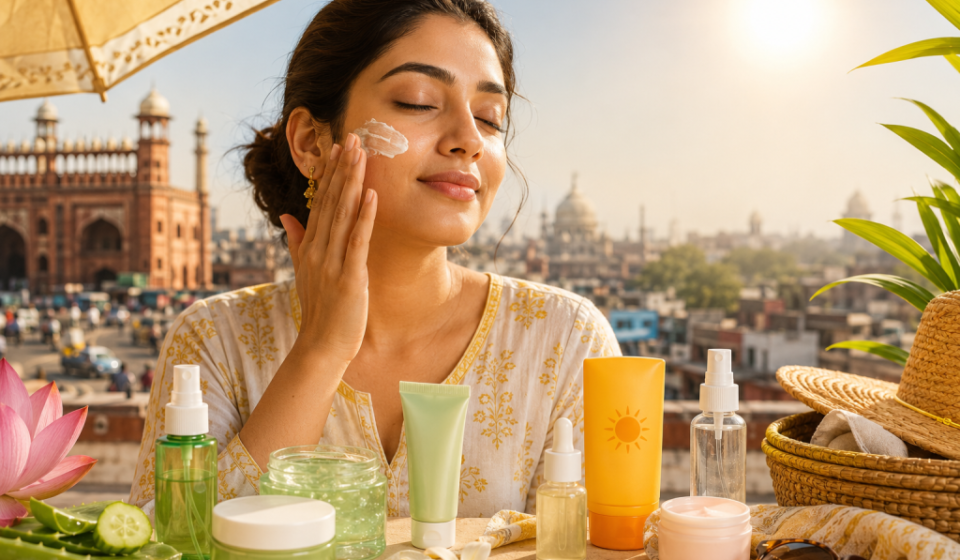

July 21, 2026 has brought renewed attention to a challenge affecting millions across every continent. As record breaking temperatures continue to reshape daily life, leading dermatologists, skincare specialists, textile innovators, and fashion experts have issued fresh seasonal recommendations designed to help people protect both their skin and clothing during prolonged periods of extreme heat. The guidance reflects growing concern that hotter summers are no longer isolated weather events but a recurring reality requiring practical lifestyle adjustments. We are seeing a shift toward climate conscious skincare formulas and breathable, heat resistant fabrics that aim to reduce discomfort while supporting long term skin health.
Heatwaves Are Changing Daily Skin Care Habits
Medical professionals have long warned that prolonged exposure to intense sunlight can accelerate skin aging, increase dehydration, and raise the likelihood of sun related damage. The latest guidance encourages consumers to rethink routines that were originally developed for milder climates. Rich creams that perform well during colder months may become too heavy during periods of sustained heat, while lightweight moisturizers with water binding ingredients are increasingly recommended for maintaining hydration without creating excessive oiliness.
Experts also advise applying broad spectrum sun protection every day, even during brief outdoor activities. Sweat, humidity, and frequent towel drying can reduce the effectiveness of sunscreen, making regular reapplication especially valuable throughout the day. Dermatologists continue to recommend seeking shade whenever possible and wearing protective accessories such as wide brim hats and sunglasses to reduce cumulative ultraviolet exposure.
Climate Adaptive Formulations Gain Momentum
Beauty companies are responding to changing environmental conditions by developing products specifically intended for hotter weather. Researchers have focused on lightweight textures, improved sweat resistance, and ingredients that help maintain the skin barrier despite high temperatures and increased moisture loss.
Many modern formulations now feature humectants that attract moisture to the skin while avoiding heavy residue. Ingredients such as glycerin, hyaluronic acid, and soothing botanical extracts continue to receive attention because they help support hydration during extended periods outdoors. Products containing calming ingredients may also assist individuals experiencing redness or irritation triggered by excessive heat.
The renewed interest in climate adaptive cosmetics reflects a wider industry effort to align product development with changing weather patterns rather than relying solely on traditional seasonal collections.
Fashion Industry Responds With Heat Resilient Textiles
The conversation extends well beyond skincare. Fashion designers and textile engineers have introduced recommendations encouraging consumers to choose clothing that promotes airflow while reducing heat retention. Natural fibers continue to play an important role, but manufacturers are also investing in advanced performance fabrics that combine breathability with moisture management.
Several textile specialists recommend lighter colors because they absorb less solar radiation compared with darker shades. Loose fitting garments also allow improved air circulation, helping reduce heat buildup close to the skin. These practical choices may contribute to greater comfort during prolonged outdoor activities, commuting, or travel.
Innovation within the apparel sector has expanded rapidly as companies investigate fibers capable of reflecting heat, drying more quickly, and maintaining comfort even under humid conditions. Such developments demonstrate how fashion is increasingly influenced by environmental realities rather than seasonal style preferences alone.
Scientists Continue Studying the Effects of Rising Temperatures
Researchers studying climate and public health continue to examine the relationship between increasing temperatures and skin wellbeing. Heat stress does not affect everyone equally. Older adults, young children, outdoor workers, and individuals with chronic medical conditions often face greater risks during prolonged periods of extreme heat.
Public health specialists also point out that repeated exposure to intense sunlight may contribute to cumulative skin damage over many years. Preventive measures taken consistently during everyday activities often provide greater long term benefits than occasional intensive treatments.
Readers seeking practical information about ultraviolet protection and skin health can review educational resources provided by the American Academy of Dermatology, which offers evidence based guidance for people of all ages.
Simple Routine Changes Can Make a Meaningful Difference
Dermatological experts recommend several practical adjustments that fit naturally into daily life without requiring dramatic lifestyle changes.
- Cleanse the skin gently to remove sweat, sunscreen, and environmental pollutants.
- Apply lightweight moisturizers that support hydration without clogging pores.
- Use broad spectrum sunscreen with appropriate sun protection every day.
- Drink sufficient water throughout periods of prolonged heat exposure.
- Select breathable clothing that promotes comfort during outdoor activities.
- Limit direct sun exposure during the hottest hours whenever practical.
These straightforward habits may help reduce discomfort while supporting healthier skin throughout the summer season.
Consumers Seek Products That Balance Comfort and Protection
Consumer purchasing patterns indicate growing interest in skincare products capable of performing well under demanding environmental conditions. Buyers increasingly look beyond cosmetic appearance and place greater value on products offering hydration, barrier support, and compatibility with warmer climates.
Retail analysts have observed increased demand for facial mists, lightweight sunscreens, cooling gels, and water based moisturizers. Similar trends are appearing in clothing markets where breathable fabrics and performance apparel continue attracting shoppers preparing for hotter summers.
This shift reflects broader consumer awareness that climate conditions influence everyday wellness choices, from morning skincare routines to wardrobe selection.
Innovation Bridges Beauty Science and Environmental Awareness
Product developers are investing more resources into research aimed at balancing product performance with sustainability goals. Packaging improvements, responsibly sourced ingredients, and environmentally conscious manufacturing practices increasingly accompany discussions about climate adaptive skincare.
Scientists continue evaluating ingredients capable of maintaining stability under elevated temperatures while remaining comfortable on the skin. Such research supports products that remain effective during travel, outdoor recreation, and daily commuting even when weather conditions become increasingly demanding.
Public Health Messaging Expands Beyond Sunburn Prevention
Medical professionals are broadening conversations about heat related wellness by discussing hydration, skin barrier maintenance, and clothing choices alongside traditional sun safety advice. The goal is to encourage preventive care rather than waiting until discomfort or visible skin damage develops.
Global health organizations also continue monitoring the wider effects of rising temperatures on communities around the world. Additional information regarding climate related health issues can be found through the World Health Organization, which regularly publishes public health guidance addressing environmental challenges.
The Beauty Industry Adapts to a Warmer Future
The latest seasonal recommendations illustrate how rapidly the beauty, skincare, and fashion industries are responding to changing environmental conditions. Companies are no longer designing products solely around traditional seasonal calendars. Instead, they are increasingly considering prolonged heat, stronger sunlight, and shifting consumer expectations.
For individuals, these recommendations offer practical ways to remain comfortable while supporting healthier skin through hotter months. For manufacturers, they represent an opportunity to continue investing in scientific research and material innovation that reflects the realities of a warming climate.
As global temperatures continue to challenge communities across many regions, thoughtful skincare routines, carefully selected clothing, and informed daily habits may become as essential to personal wellbeing as nutrition, hydration, and regular exercise. The guidance released this week signals that adapting to extreme heat is becoming an enduring part of modern health and personal care rather than a temporary seasonal concern.