

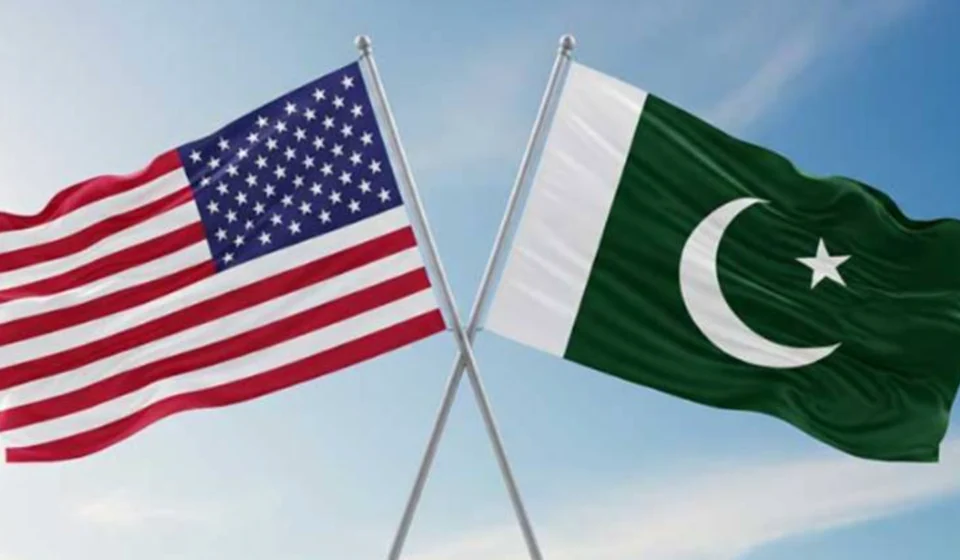

Pakistan and the United States have announced a fresh push to strengthen academic cooperation through expanded student exchanges, university partnerships, collaborative research, and new educational investment initiatives. The announcement, made by senior parliamentary delegates from both countries on July 29, 2026, reflects a shared commitment to building stronger people to people connections through higher education. While diplomatic relationships often draw attention for trade and security discussions, this latest effort places classrooms, research laboratories, and student opportunities at the center of bilateral engagement.
The renewed focus arrives at a time when universities across the globe are seeking broader international collaboration to prepare graduates for an increasingly interconnected economy. For students, faculty members, and researchers in both countries, the announcement signals the possibility of expanded access to academic resources, cross border learning experiences, and joint innovation projects that can deliver benefits well beyond university campuses.
Education Takes Center Stage in Pakistan and United States Relations
Education has long served as one of the most enduring bridges between Pakistan and the United States. Thousands of Pakistani students have pursued graduate and undergraduate studies at American universities over several decades, while American scholars have contributed to educational development, research partnerships, and faculty exchanges throughout Pakistan.
The latest discussions indicate that both governments want to build upon that history by encouraging stronger institutional relationships rather than relying solely on individual scholarship programs. University leaders are expected to play a larger role in shaping collaborative research agendas, faculty development programs, and student mobility initiatives.
Officials described the new initiatives as investments in long term knowledge sharing that can strengthen scientific research, economic development, and cultural understanding. Such efforts also create opportunities for students to develop professional skills while gaining exposure to different educational systems and perspectives.
What the New Academic Partnership Could Include
Although detailed implementation plans are expected to emerge over the coming months, the announcement points toward several areas of cooperation that could significantly expand educational opportunities.
- Additional student exchange programs between universities in both countries.
- Joint research projects in science, technology, health, agriculture, and climate related fields.
- Faculty exchange opportunities that promote teaching innovation and collaborative scholarship.
- Institutional agreements between universities for shared academic programs.
- Educational investment supporting research infrastructure and innovation centers.
Many higher education experts view these forms of collaboration as especially valuable because they extend beyond short term visits. Long lasting institutional partnerships often produce sustained research output, coauthored publications, technology development, and expanded educational access for future generations of students.
Why Student Exchanges Matter Beyond the Classroom
Academic exchanges offer benefits that extend far beyond earning a degree. Students who spend time studying abroad often return with stronger communication skills, broader cultural awareness, and valuable international professional networks.
For Pakistani students, greater access to American universities can provide exposure to advanced research facilities, entrepreneurial ecosystems, and interdisciplinary learning environments. Likewise, American students studying in Pakistan gain firsthand experience with South Asian history, culture, economics, and emerging research communities.
Walking through a university campus filled with students speaking different languages, debating new ideas, and working together on research projects often reveals the true value of international education. Those daily interactions create friendships and professional relationships that frequently outlast formal academic programs.
Research Collaboration Could Drive Innovation
Joint academic research has become increasingly important as universities respond to complex global challenges. Issues such as food security, renewable energy, public health, artificial intelligence, cybersecurity, and water management require expertise that crosses national boundaries.
Pakistan offers growing research capacity in agriculture, engineering, environmental sciences, and medical studies. American universities continue to lead many international research initiatives through extensive laboratory networks and interdisciplinary collaboration.
Expanding research partnerships allows institutions in both countries to combine expertise while providing graduate students and early career researchers with opportunities to contribute to internationally recognized projects.
Many universities also recognize that collaborative research attracts additional investment from public agencies, private industry, and philanthropic organizations. Such partnerships can strengthen innovation ecosystems while helping students participate in real world problem solving.
Economic Benefits of Educational Investment
Higher education partnerships frequently generate economic value alongside academic progress. International students contribute to local economies through housing, transportation, retail spending, and community engagement. Universities also create employment opportunities through expanded research activity and institutional collaboration.
Educational investment often supports new laboratories, digital learning platforms, faculty development programs, and innovation hubs that continue serving students for many years. These improvements strengthen university competitiveness while encouraging scientific advancement and entrepreneurship.
Industry partnerships connected to academic research can also accelerate technology commercialization, helping innovative ideas move from university laboratories into businesses and public services.
Building Skills for Future Workforces
Employers increasingly seek graduates who possess international experience, critical thinking abilities, and cross cultural communication skills. Expanded academic cooperation between Pakistan and the United States can help universities prepare students for careers in technology, healthcare, engineering, business, education, and public policy.
Joint degree programs, collaborative online learning, and shared research experiences expose students to diverse teaching methods and professional expectations. These experiences often strengthen adaptability, leadership, and collaborative problem solving, qualities that remain valuable across virtually every industry.
The growing importance of digital education also creates opportunities for virtual classrooms where students from both countries can participate in shared courses without leaving their home institutions.
The Role of Universities in Diplomacy
Universities frequently succeed where political differences may slow broader diplomatic progress. Academic institutions operate through curiosity, evidence based inquiry, and open discussion, allowing scholars and students to build trust through shared intellectual goals.
This form of educational diplomacy has become an important component of international relations because lasting partnerships often begin with individual conversations inside classrooms, libraries, and research centers.
Students who participate in exchange programs frequently become future educators, entrepreneurs, scientists, business leaders, and policymakers. Their international experiences can influence cooperation across many sectors for decades.
Existing Educational Foundations Support Future Growth
The latest announcement builds upon an established history of cooperation between educational institutions in both countries. Programs supported through organizations such as the EducationUSA network have helped students explore opportunities for studying in the United States, while broader academic initiatives continue through partnerships involving universities, research organizations, and government agencies.
Educational collaboration also aligns with international efforts that encourage quality higher education, research cooperation, and lifelong learning. The United Nations Educational, Scientific and Cultural Organization continues to promote international academic partnerships that strengthen education systems and encourage global knowledge sharing.
Challenges That Will Require Continued Attention
Expanding international academic partnerships also presents practical challenges. Visa processing, funding availability, recognition of academic credits, research regulations, and administrative coordination all influence the success of exchange programs.
Universities will need clear communication channels and sustainable financial support to ensure that new initiatives remain accessible to students from diverse economic backgrounds. Digital learning technologies may help address some barriers by allowing collaborative teaching and research without requiring every participant to travel internationally.
Maintaining equitable access will also be important so that opportunities reach students from different regions, disciplines, and institutions rather than benefiting only a limited number of universities.
Looking Ahead
The announcement from senior parliamentary delegates represents more than another diplomatic statement. It reflects a recognition that investment in education creates lasting value for individuals, institutions, and societies. Stronger university partnerships can encourage innovation, deepen cultural understanding, expand scientific discovery, and prepare students for careers in an increasingly connected global economy.
As universities begin developing new agreements and collaborative projects, students and educators in both Pakistan and the United States will be watching closely for practical opportunities that turn diplomatic commitments into meaningful academic experiences. If successfully implemented, these initiatives could strengthen one of the most enduring dimensions of the bilateral relationship by placing learning, research, and opportunity at its foundation.