

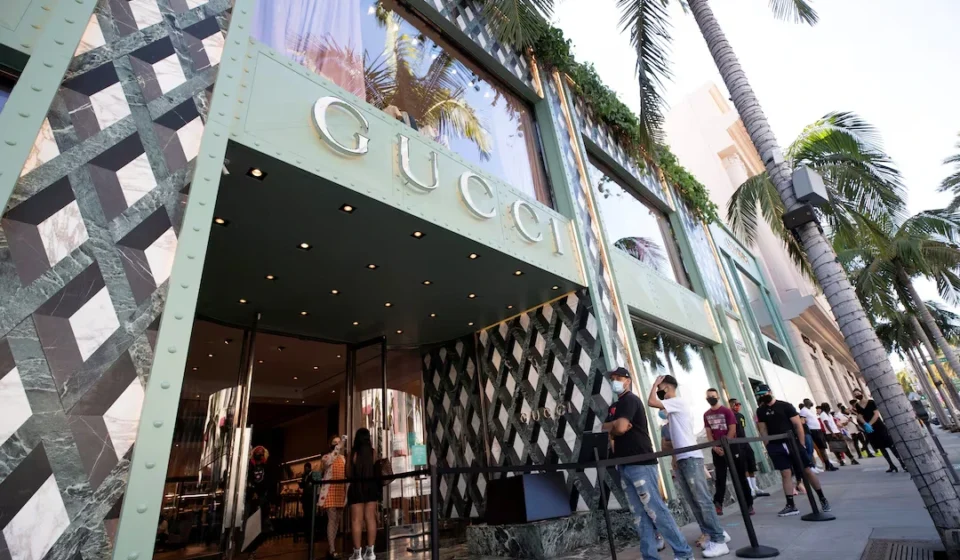

Luxury fashion group Kering delivered one of its most encouraging updates in recent quarters on July 29, 2026, signaling that the company may finally be gaining traction after a challenging period. The improvement was fueled by a commercial rebound at Gucci, the iconic Italian fashion house that remains Kering’s largest source of revenue. While the global luxury market continues to face cautious consumer spending and shifting shopping habits, the latest results suggest that strategic changes inside Gucci are beginning to resonate with customers once again.
For investors, fashion enthusiasts, and retail analysts, the announcement offers more than a positive earnings headline. It reflects the difficult balance luxury companies must maintain between preserving exclusivity and adapting to rapidly changing consumer preferences. Gucci’s renewed momentum could also influence the broader direction of the premium fashion industry during the second half of 2026.
Gucci Returns to the Center of Kering’s Growth Story
For several quarters, Gucci had struggled to match the growth achieved by some of its largest rivals. Consumer demand softened across key markets, while shoppers increasingly favored understated luxury over highly recognizable branding. Kering responded by refreshing product collections, refining its retail strategy, and investing in creative direction designed to reconnect with loyal customers while attracting a younger audience.
Those efforts now appear to be producing measurable results. The company’s quarterly update pointed to a commercial rebound that helped stabilize overall performance. Although executives remain cautious about declaring a full recovery, the latest figures suggest that Gucci has regained some of the momentum that made it one of the most influential luxury brands in the world.
The renewed interest extends across several product categories, including handbags, ready to wear collections, footwear, and accessories. Fashion buyers have also responded positively to newer seasonal collections that blend the house’s heritage with contemporary design.
Luxury Consumers Are Becoming More Selective
The luxury industry has experienced a significant shift over the past two years. Inflation, economic uncertainty, and changing spending priorities have encouraged many affluent consumers to become more selective about major purchases. Rather than buying multiple fashion items each season, many shoppers are focusing on timeless products with lasting value.
This trend has encouraged luxury companies to refine their product strategies instead of relying solely on aggressive expansion. Brands are placing greater attention on craftsmanship, exclusivity, and personalized customer experiences that justify premium pricing.
Kering’s latest performance suggests that Gucci is successfully adapting to these expectations. By concentrating on quality, design innovation, and carefully managed product launches, the label appears to be rebuilding consumer confidence without sacrificing its identity.
Creative Direction Plays a Critical Role
Luxury fashion has always depended on creative leadership, and Gucci’s recent progress highlights how important design vision remains in attracting both returning and first time customers.
Collections introduced over recent seasons have balanced recognizable Italian craftsmanship with contemporary silhouettes that appeal across generations. Retail stores have also introduced more immersive shopping experiences designed to strengthen emotional connections between customers and the brand.
Industry observers have long argued that successful luxury houses must create desire rather than simply meet demand. Gucci’s improving sales suggest that carefully curated collections and disciplined brand management continue to influence purchasing decisions in meaningful ways.
What Kering’s Results Say About the Wider Luxury Market
Kering’s quarterly update may also offer valuable insight into broader conditions across the luxury sector. Many premium fashion companies have faced slower growth following years of exceptional demand after pandemic restrictions ended. The market has gradually returned to more sustainable growth patterns.
Several factors continue to shape luxury spending across international markets.
- Affluent consumers remain willing to invest in exceptional craftsmanship.
- Tourism continues supporting flagship boutiques in major fashion capitals.
- Digital shopping experiences remain important alongside traditional retail.
- Younger luxury buyers increasingly value authenticity and long term brand heritage.
These trends indicate that luxury demand has not disappeared. Instead, purchasing decisions have become more deliberate, rewarding brands that successfully balance creativity, quality, and exclusivity.
Investor Confidence Receives a Welcome Lift
Financial markets closely monitor Gucci because the brand contributes a substantial share of Kering’s overall business. When Gucci performs well, investor sentiment toward the entire company often improves.
The latest quarterly performance therefore carries significance beyond a single fashion label. Positive momentum strengthens confidence that Kering’s strategic investments may continue generating results over coming quarters. While analysts will continue watching future earnings carefully, early evidence of recovery provides reassurance after an extended period of pressure.
Luxury companies frequently experience fluctuations tied to consumer confidence, exchange rates, and international travel. Even modest improvements in flagship brands can influence expectations for future profitability.
Competition Across Luxury Fashion Remains Intense
Kering operates in one of the world’s most competitive industries. Major global fashion houses continue investing heavily in product development, digital innovation, customer relationships, and flagship retail locations.
Luxury shoppers today have unprecedented access to competing brands through both physical boutiques and online platforms. Winning consumer attention requires consistent storytelling, distinctive craftsmanship, and products that feel genuinely desirable rather than simply expensive.
Kering’s progress with Gucci demonstrates that heritage alone cannot guarantee success. Continuous innovation remains essential for maintaining relevance in a market where consumer tastes evolve quickly.
Readers seeking broader information about international luxury business trends can explore insights published by the Business of Fashion and industry research available through McKinsey’s retail and luxury analysis.
Consumers Continue Seeking Meaning Behind Luxury Purchases
One of the defining characteristics of today’s premium market is the emotional value attached to luxury goods. Buyers increasingly look beyond logos, considering craftsmanship, heritage, sustainability initiatives, and the story behind each collection.
This shift benefits brands capable of communicating authenticity through design and customer experience. Gucci’s renewed commercial momentum suggests that consumers are responding positively when fashion products combine artistic expression with enduring quality.
Retail experiences have likewise evolved. Personalized appointments, exclusive product launches, and curated in store environments contribute to a stronger relationship between luxury houses and their clients. These experiences often become as memorable as the products themselves.
Challenges Have Not Completely Disappeared
Despite encouraging signs, Kering still faces meaningful obstacles. Economic uncertainty persists across several regions, while geopolitical developments and currency movements can quickly influence consumer confidence.
Luxury companies must also navigate changing expectations surrounding sustainability, responsible sourcing, and transparent supply chains. Customers increasingly expect premium brands to demonstrate ethical business practices alongside exceptional craftsmanship.
Maintaining growth will require disciplined execution across design, production, marketing, and retail operations. A single successful quarter represents progress, but sustained improvement depends on consistently meeting customer expectations across multiple seasons.
Looking Ahead
Kering’s latest quarterly performance offers cautious optimism for both the company and the broader luxury fashion industry. Gucci’s commercial rebound suggests that thoughtful creative direction, disciplined brand management, and a renewed focus on customer experience are beginning to deliver measurable results.
Whether this momentum develops into a lasting recovery will become clearer in the coming quarters. For now, the latest figures provide evidence that one of fashion’s most recognizable names is moving back toward growth after a period of uncertainty. In an industry where reputation, creativity, and consumer confidence are deeply connected, Gucci’s renewed strength represents more than improved revenue. It signals that enduring luxury still holds powerful appeal when brands successfully combine heritage with fresh ideas that inspire modern shoppers.