

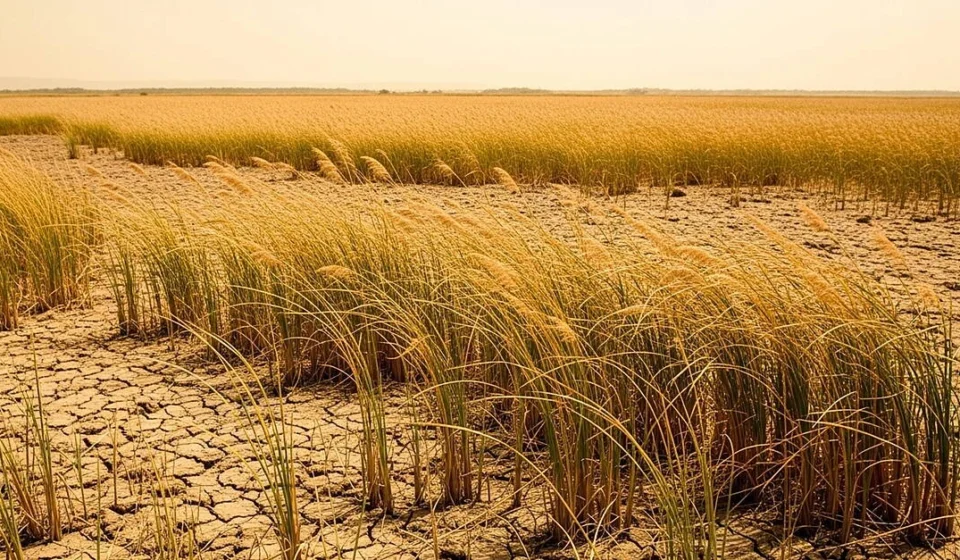

July 23, 2026 has become another defining moment in the climate story unfolding across the Mediterranean. Record breaking heat waves stretching from southern Europe into North Africa have prompted renewed warnings from United Nations climate and agricultural agencies that staple crops are facing extraordinary pressure. Farmers who have spent months nurturing wheat, olives, grapes, citrus fruits, and vegetables are now confronting relentless temperatures, shrinking water reserves, and uncertain harvests. We are witnessing a situation that reaches far beyond regional borders because the Mediterranean remains one of the world’s most significant agricultural regions, supplying food to millions of consumers across Europe, Africa, Asia, and beyond.
Heat Records Push Agriculture Into Dangerous Territory
Meteorologists have documented unusually persistent high temperatures across several Mediterranean countries. Long periods of intense sunshine combined with limited rainfall have left fields dry and irrigation systems under mounting pressure. Agricultural specialists warn that crops exposed to prolonged extreme heat during flowering or grain filling stages can suffer irreversible damage, reducing both quality and overall production.
Communities that rely on farming are experiencing more than uncomfortable weather. Every additional day of excessive heat increases moisture loss from soil, accelerates plant stress, and raises irrigation demands at a time when reservoirs and rivers are already under strain. The result is growing concern that harvest volumes could decline substantially if weather conditions remain severe through the remainder of the growing season.
United Nations Agencies Warn of Broader Food Supply Risks
Climate experts and agricultural organizations associated with the United Nations have cautioned that reduced crop yields may trigger broader disruptions throughout international food markets. Nations dependent on Mediterranean exports could experience tighter supplies, increased transportation costs, and greater price volatility for several agricultural products.
Information published through the Food and Agriculture Organization of the United Nations continues to highlight how climate extremes are reshaping global food systems. Scientific assessments from the Intergovernmental Panel on Climate Change also describe increasing heat extremes as a growing challenge for agriculture, water management, and rural livelihoods.
Which Crops Face the Greatest Threat?
The Mediterranean climate supports a remarkable diversity of food production. Many crops that thrive in warm conditions still require balanced temperatures during key stages of growth. Extended exposure to exceptional heat can interrupt those natural cycles.
- Wheat may produce smaller grain sizes and reduced yields.
- Olive trees can experience fruit loss during prolonged heat stress.
- Grapevines may ripen too quickly, affecting quality and harvest timing.
- Citrus orchards face higher irrigation needs and possible fruit damage.
- Vegetable production may decline because of water shortages and heat related plant stress.
Livestock producers are also facing mounting challenges. Dairy cattle, sheep, and goats consume more water during hot weather while producing less milk and experiencing higher levels of physiological stress. Feed supplies may also tighten if forage crops fail to reach expected yields.
Southern Europe Feels Immediate Economic Pressure
Countries including Spain, Italy, Greece, Portugal, and parts of southern France depend heavily on agriculture for employment, exports, and local economies. Heat waves arriving during critical growing periods increase uncertainty for farming businesses already adapting to changing climate conditions over recent years.
Many growers have invested in improved irrigation systems, drought tolerant crop varieties, and more efficient water management practices. Those measures have helped reduce some risks, yet unusually persistent extreme temperatures can overwhelm even well prepared operations. Agricultural insurers, exporters, food processors, and retailers are monitoring developments closely as harvest estimates continue to evolve.
North African Farmers Face Intensifying Challenges
Across North Africa, farmers are confronting many of the same pressures while also managing longstanding concerns about water scarcity. Nations throughout the region rely on agriculture for domestic food security as well as export earnings. Heat waves combined with declining rainfall can place extraordinary pressure on groundwater resources, reservoirs, and irrigation infrastructure.
For smaller family farms, each difficult harvest carries significant financial consequences. Lower production can reduce household income while increasing the cost of purchasing food and farming supplies. Rural communities often experience these impacts first, long before consumers notice higher prices at supermarkets.
Global Markets Could Experience Greater Price Volatility
The Mediterranean region plays an essential role within international agricultural trade. Wheat, olive oil, fresh produce, wine, and numerous specialty crops move through complex supply chains that connect growers with consumers across multiple continents.
When production declines in one major agricultural region, buyers frequently seek alternative suppliers. That shift can increase transportation costs and place additional demand on producers elsewhere. Commodity markets may respond quickly as traders evaluate harvest forecasts, export availability, and weather developments.
Food economists note that weather driven uncertainty does not always result in immediate shortages. Modern supply chains include multiple production regions and storage systems that help moderate temporary disruptions. Even so, repeated climate shocks occurring across several countries during the same season create more difficult conditions for maintaining stable supplies.
Climate Scientists See a Pattern Rather Than an Isolated Event
Researchers increasingly describe recent Mediterranean heat waves as part of a broader pattern of rising climate extremes. Higher average global temperatures contribute to more frequent and more intense periods of exceptional heat. While individual weather events result from multiple atmospheric factors, long term climate trends are raising the probability of severe heat episodes.
Agricultural scientists continue studying methods that can strengthen resilience. Improved crop genetics, smarter irrigation technology, soil conservation practices, expanded weather forecasting, and better water management all represent practical approaches that may help farmers adapt to increasingly difficult growing conditions.
Consumers May Notice Changes Beyond Grocery Prices
Food supply disruptions extend beyond supermarket shelves. Restaurants, food manufacturers, exporters, and hospitality businesses often depend on consistent agricultural production. Lower harvests can influence ingredient availability, seasonal product offerings, and manufacturing costs.
Consumers may also encounter changes in product quality or seasonal timing if crops mature earlier than expected because of sustained heat. Fresh produce that normally reaches markets over several weeks may arrive within a shorter harvesting window, creating additional logistical challenges throughout the supply chain.
Building Stronger Agricultural Resilience
Governments, researchers, and farming organizations are expanding efforts to prepare agriculture for a warmer future. Investment priorities increasingly include modern irrigation networks, drought resistant crop development, improved soil health, expanded weather monitoring, and stronger emergency planning for rural communities.
International cooperation remains equally significant because food production and trade connect every region through shared markets. Scientific collaboration, better climate forecasting, and coordinated agricultural planning can help reduce uncertainty while supporting farmers facing increasingly difficult environmental conditions.
Looking Ahead
The Mediterranean heat waves of July 2026 serve as another reminder that climate events occurring within one region can quickly influence global food systems. Farmers continue working through challenging conditions with determination, applying experience gained from previous droughts while hoping for more favorable weather during the remainder of the growing season.
We will continue following harvest reports, scientific assessments, and market developments as the season progresses. The resilience of agriculture has always depended on adaptation, innovation, and cooperation. Those qualities will become even more valuable as communities across southern Europe, North Africa, and the wider world work to protect food security in an era of increasingly frequent climate extremes.