

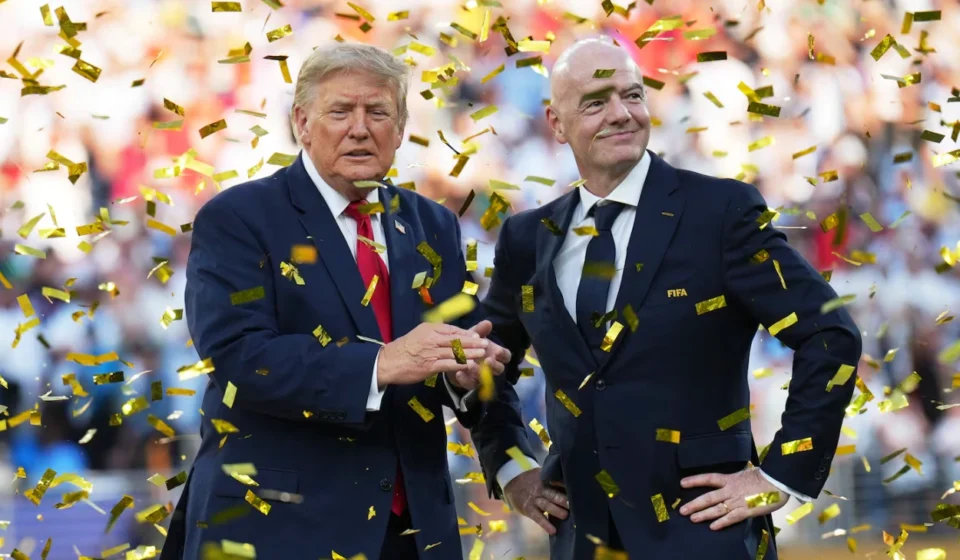

European football entered another chapter of institutional tension on July 29, 2026, after UEFA voiced strong concerns about FIFA’s reported proposal to establish a commercial entity valued at roughly $20 billion to oversee key business operations tied to future FIFA World Cup tournaments. The disagreement goes far beyond finances. It raises difficult questions about governance, transparency, commercial influence, and who ultimately shapes the future of the world’s most watched sporting event. While supporters argue that a centralized commercial structure could generate unprecedented revenue and modernize tournament operations, critics fear it could shift too much authority into a single corporate vehicle with consequences that extend well beyond football.
Why the Proposed Commercial Vehicle Has Triggered Debate
The reported plan centers on creating a dedicated business organization responsible for managing significant commercial aspects of future FIFA World Cup competitions. Such a structure could oversee broadcasting arrangements, sponsorship portfolios, licensing, hospitality, technology partnerships, and other revenue generating assets under one umbrella.
Supporters believe a unified commercial operation could streamline negotiations with multinational partners while increasing long term investment opportunities. They argue that football has become an increasingly global entertainment industry requiring sophisticated financial structures capable of supporting larger tournaments, digital innovation, and expanded fan experiences.
UEFA, however, reportedly questioned whether such a model would preserve appropriate oversight and maintain the balance of power between football’s governing institutions. European football officials have long advocated governance models built around consultation with confederations, national associations, clubs, leagues, and players.
Growing Questions About Governance and Accountability
The disagreement reflects broader conversations that have followed international football for many years. Commercial success has fueled extraordinary financial growth across the sport, yet every major expansion raises fresh questions about accountability and decision making.
Observers point to several important issues that deserve careful examination.
- How independent oversight would function within a multibillion dollar commercial organization.
- Whether revenues would be distributed fairly among member associations.
- How national federations would influence strategic decisions.
- Whether existing governance systems would remain effective.
- How conflicts of interest would be managed if private investment plays a larger role.
These concerns carry particular significance because the FIFA World Cup generates enormous economic value through media rights, sponsorship agreements, tourism, merchandising, and digital engagement. Decisions involving these assets influence football development across every continent.
UEFA Seeks Greater Consultation Before Major Structural Changes
European football officials have consistently argued that reforms affecting the international game should emerge through broad consultation rather than rapid structural change. UEFA oversees some of the world’s most commercially successful club and national team competitions, giving the organization considerable experience in managing large sporting events while balancing commercial priorities with sporting integrity.
The current disagreement appears rooted less in opposition to commercial growth itself and more in concerns about governance mechanisms surrounding that growth. European stakeholders reportedly want greater clarity regarding ownership, investment structures, voting rights, regulatory oversight, and long term strategic objectives before supporting any new commercial entity.
That cautious approach reflects lessons learned throughout modern football, where financial innovation has often produced opportunities alongside unforeseen governance challenges.
FIFA Continues Pursuit of Global Commercial Expansion
FIFA has spent recent years pursuing ambitious initiatives intended to increase football’s global reach and financial capacity. Tournament expansion, new club competitions, digital broadcasting opportunities, and broader commercial partnerships all illustrate an organization seeking continued growth.
The governing body has argued that expanding revenue ultimately benefits football development programs, infrastructure investment, youth participation, women’s football, coaching education, and emerging football nations.
From FIFA’s perspective, larger commercial returns can provide resources that support member associations across regions with varying levels of financial strength. That argument resonates in countries where football infrastructure continues to require substantial investment.
Information about FIFA governance and tournament organization remains available through the official FIFA platform, which outlines the organization’s statutes, competitions, and development initiatives.
Commercial Football Has Entered a New Financial Era
Global football has evolved into one of the largest entertainment industries on Earth. Media companies compete aggressively for broadcasting rights. International brands invest billions to associate themselves with elite competitions. Digital platforms create new ways for supporters to engage with matches throughout the year.
Against that backdrop, proposals involving multibillion dollar commercial structures no longer appear extraordinary from a financial standpoint. Instead, they reflect the scale that football has achieved.
Still, the rapid expansion of commercial interests often places administrators in a delicate position. Every decision must balance financial sustainability with sporting values, competitive fairness, supporter trust, and institutional independence.
Potential Impact on Future World Cup Tournaments
If implemented, the proposed commercial vehicle could influence nearly every aspect of future FIFA World Cup events.
Possible areas affected include broadcasting strategies, sponsorship agreements, venue operations, digital fan engagement, ticketing systems, hospitality programs, technology partnerships, licensing, merchandising, and long term infrastructure planning.
For supporters watching from around the globe, many of these operational changes might remain largely invisible. Yet behind every match lies an extensive network of commercial planning that finances tournament logistics, security, transportation, production, marketing, and international media coverage.
The larger the commercial operation becomes, the greater the importance of clear governance structures capable of maintaining confidence among stakeholders.
National Associations Watch Closely
National football associations have strong incentives to monitor these discussions carefully because commercial revenue frequently supports grassroots football, youth academies, referee development, coaching education, stadium improvements, and community programs.
Smaller football nations often rely on international funding to expand participation opportunities. Any changes affecting revenue allocation therefore attract significant attention beyond Europe.
While UEFA represents European interests, many other regional confederations are also likely evaluating how any future commercial structure might influence financial distributions and institutional representation.
Supporters Want Stability as Football Continues to Grow
Fans often focus on performances inside the stadium, but governance decisions increasingly shape the broader football experience. Commercial agreements influence kickoff schedules, broadcasting access, sponsorship visibility, tournament formats, and investment in future competitions.
Supporters generally expect governing bodies to protect competitive integrity while ensuring the financial health of the sport. Public confidence depends upon transparent decision making, particularly when proposals involve investments measured in tens of billions of dollars.
The emotional connection supporters feel toward national teams and international tournaments makes governance debates more than administrative exercises. These decisions influence traditions that millions of families share across generations.
Independent Oversight May Become the Central Issue
Many governance specialists believe the most significant question is not whether football should pursue commercial growth but rather how that growth should be supervised.
Independent oversight, transparent financial reporting, stakeholder consultation, and clearly defined governance responsibilities often determine whether ambitious commercial initiatives earn lasting credibility.
Organizations across international sport have increasingly strengthened governance frameworks in response to growing commercial complexity. Resources from the International Olympic Committee illustrate how transparency, ethics, and institutional accountability continue to play central roles across global sports administration.
What Comes Next for FIFA and UEFA
Negotiations between FIFA, UEFA, and other football stakeholders are likely to continue as additional details emerge regarding the proposed commercial entity. Any final structure would almost certainly require extensive discussion involving member associations, legal advisers, commercial partners, and governance experts.
The outcome could shape not only future FIFA World Cup competitions but also the broader relationship between football’s international governing bodies for years to come.
Whether consensus ultimately emerges will depend on balancing commercial ambition with institutional trust. Football has repeatedly demonstrated its remarkable ability to unite billions of people across cultures, languages, and borders. Preserving that unity while managing unprecedented financial growth now stands among the sport’s greatest leadership challenges.