

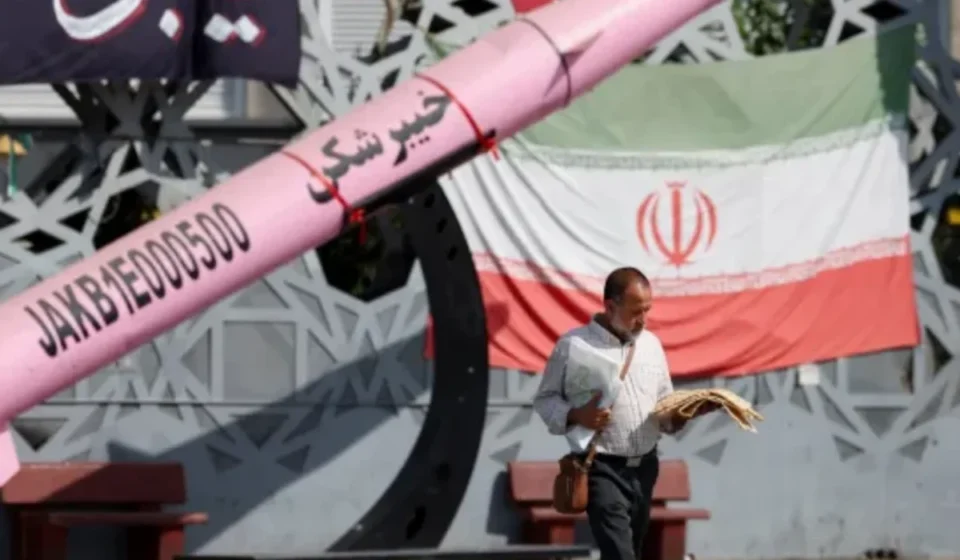

Military tensions across the Middle East intensified dramatically on July 18, 2026, after Iran launched a large scale wave of drones and missiles targeting United States military facilities in Bahrain, Kuwait, and Jordan. The operation came after what Iranian officials described as the seventh consecutive night of American airstrikes, marking one of the most serious direct confrontations between the two nations in recent years. Air defense systems were activated across multiple countries as residents awoke to explosions, warning sirens, and a rapidly changing security situation that sent shockwaves through global diplomatic and financial circles.
Iran Responds After Days of American Airstrikes
Iran’s military described the attacks as a direct response to sustained United States military operations carried out over the previous week. Officials in Tehran stated that the strikes were intended to target military infrastructure rather than civilian populations. The reported targets included naval facilities in Bahrain, communication centers supporting regional military operations, and airbases located in Kuwait and Jordan.
The exchange represents a sharp escalation in an already fragile regional environment. Military analysts have long warned that repeated cycles of retaliation increase the likelihood of broader conflict involving multiple countries across the Gulf. Each successive operation raises the pressure on governments seeking to prevent further escalation while maintaining their own national security interests.
The latest developments also illustrate how quickly military actions can spread across borders when strategic alliances and regional defense networks become involved.
Kuwait International Airport Temporarily Suspends Operations
Among the most immediate civilian consequences was the temporary shutdown of Kuwait International Airport after security officials assessed potential risks posed by the ongoing missile and drone attacks. Flight operations were suspended as authorities worked to ensure passenger safety and evaluate the surrounding airspace.
Airport closures during military crises often create ripple effects that extend well beyond the immediate conflict zone. Airlines may reroute aircraft, delay international departures, and alter cargo schedules while aviation authorities coordinate with military officials responsible for securing regional airspace.
Travelers throughout the Gulf region faced uncertainty as airlines monitored developments and adjusted flight schedules in response to changing security conditions.
Strategic Importance of the Targeted Locations
The facilities reportedly targeted occupy central positions within the United States military presence in the Middle East.
- Bahrain hosts the headquarters of the United States Fifth Fleet, which oversees major naval operations across the Persian Gulf and surrounding waters.
- Kuwait serves as a critical logistics and operational hub supporting military deployments throughout the region.
- Jordan has become an important partner for intelligence sharing, regional stability efforts, and air operations.
By directing attacks toward these locations, Iran appeared to signal that military infrastructure supporting American regional operations remains within the reach of its missile and drone capabilities.
Growing Reliance on Drone Warfare
The reported operation again highlighted the increasing role of unmanned aerial systems in modern warfare. Drones have become central to military planning because they can be launched in large numbers, overwhelm defensive systems, and gather valuable intelligence while reducing risks to personnel.
Missiles launched alongside drones may force defenders to divide their attention between different types of incoming threats. Military experts frequently describe this layered approach as a way to complicate interception efforts and place greater strain on integrated air defense networks.
The growing sophistication of these systems continues to reshape military planning throughout the Middle East and beyond.
Regional Governments Face Difficult Security Choices
The governments of Bahrain, Kuwait, and Jordan immediately faced the challenge of balancing national security with public reassurance. Protecting military partnerships while limiting disruption to civilian life has become increasingly difficult during periods of sustained military confrontation.
Public officials across the region have consistently urged residents to follow emergency guidance while security agencies evaluate potential threats. Authorities also continue coordinating with allied defense forces to strengthen surveillance and missile defense capabilities.
For many civilians living near military installations, the sound of interception systems and emergency alerts has become an unsettling reminder of how geopolitical disputes can directly affect everyday life.
International Calls for Restraint Intensify
Governments around the world are expected to increase diplomatic efforts aimed at preventing further military escalation. International organizations have repeatedly warned that direct exchanges between Iran and the United States carry risks extending far beyond the immediate battlefield.
Diplomats remain concerned that continued retaliation could disrupt commercial shipping routes, energy exports, humanitarian operations, and international aviation throughout the Gulf.
The United Nations has consistently encouraged dialogue during periods of heightened regional conflict, while the International Atomic Energy Agency continues monitoring broader security developments connected to the region.
Energy Markets and Global Economy Watch Closely
Military activity involving Gulf nations frequently attracts close attention from investors because of the region’s importance to global energy supplies. Even limited disruptions can influence oil prices, shipping insurance costs, and financial market confidence.
Shipping companies may temporarily alter routes if security conditions deteriorate further. Higher transportation costs can eventually affect supply chains reaching consumers far beyond the Middle East.
Financial markets also tend to react quickly when military exchanges raise uncertainty surrounding international trade or energy production.
Human Impact Extends Beyond Military Objectives
While military planners focus on strategic targets and operational objectives, ordinary families often experience the greatest uncertainty during periods of armed confrontation. Parents monitor emergency alerts while schools review contingency plans. Travelers struggle with delayed flights. Businesses prepare for possible interruptions to transportation and communications.
The emotional toll can be equally significant. Nights interrupted by warning sirens and reports of incoming missiles create lasting anxiety for communities living near potential military targets. Even when interception systems prevent major damage, the psychological impact frequently lingers long after explosions fade.
Humanitarian organizations continue reminding all parties that protecting civilian lives remains an obligation under international humanitarian law regardless of the scale or intensity of military operations.
Military Analysts Warn of Escalation Risks
Security specialists note that prolonged cycles of retaliation become increasingly difficult to contain. Each side may view its actions as defensive while the opposing side interprets the same operation as aggressive, creating conditions that encourage further military responses.
The presence of multiple allied countries and military partnerships across the region adds another layer of complexity. Any strike affecting shared facilities or multinational operations could influence diplomatic relationships and defense commitments extending well beyond the immediate conflict.
Military planners are also likely evaluating whether additional defensive assets, surveillance capabilities, or naval deployments may become necessary should hostilities continue.
What Comes Next
The coming days are expected to be critical as governments assess damage, review intelligence, and determine their next diplomatic or military steps. Regional leaders face mounting pressure to prevent additional violence while maintaining national security commitments.
Whether the latest exchange becomes another chapter in a continuing cycle of retaliation or prompts renewed diplomatic engagement will depend largely on decisions made in Washington, Tehran, and allied capitals across the Middle East.
For millions of people across the region, the hope remains that diplomacy can regain momentum before further military action places additional lives, infrastructure, and regional stability at greater risk.