

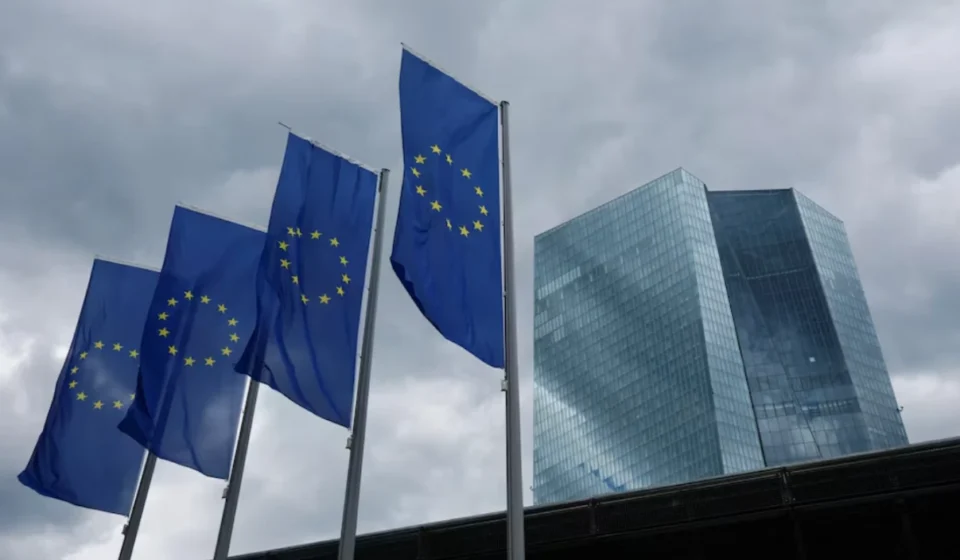

Financial stability has long been measured through interest rates, inflation, public debt, and banking resilience. A growing body of evidence now points to another force that deserves equal attention. The health of forests, rivers, oceans, fertile soil, and the countless ecosystems that support human life is becoming a defining economic issue. On August 1, 2026, European Central Bank official Frank Elderson warned that worsening natural disasters and the steady decline of ecosystem services are creating rapidly expanding risks for the global economy and the banking sector. His message reflects a broader shift among financial leaders who increasingly see environmental degradation not only as an ecological concern but also as a direct financial challenge.
We are witnessing a moment where climate events and biodiversity loss are moving from scientific reports into bank balance sheets, insurance claims, investment portfolios, and national economic forecasts. Floods, droughts, wildfires, and declining agricultural productivity are no longer isolated events. They are becoming recurring economic shocks that can ripple through financial markets with remarkable speed.
Why central banks are paying closer attention to nature
Central banks traditionally focus on maintaining price stability and supporting resilient financial systems. That mission now requires a closer look at environmental risks because financial institutions are deeply connected to industries that depend on healthy ecosystems.
Agriculture relies on fertile land, reliable rainfall, and pollinating insects. Manufacturing depends on water supplies and natural resources. Tourism thrives where coastlines, forests, and wildlife remain healthy. When these natural systems weaken, businesses face higher costs, lower productivity, and growing uncertainty. Banks that finance these industries may experience rising loan defaults and declining asset values.
Frank Elderson’s warning reflects an increasingly accepted reality among financial regulators. Nature should not be viewed merely as a backdrop to economic activity. It serves as essential infrastructure that supports production, employment, trade, and investment across nearly every sector.
Natural disasters are becoming financial events
Extreme weather has become one of the clearest examples of how environmental challenges affect financial stability. Severe floods can destroy homes, factories, transportation networks, and energy systems within hours. Prolonged droughts reduce crop yields and strain water resources for businesses and communities. Wildfires can erase billions in property value while disrupting regional economies for months.
Each disaster triggers a chain reaction throughout the financial system. Insurance companies face larger claims. Businesses lose revenue. Governments increase emergency spending. Banks may encounter delayed loan payments or rising defaults from affected customers. Investors often reassess the long term value of vulnerable industries and regions.
The cumulative effect extends well beyond the immediate disaster zone. Financial institutions with international operations often carry exposure across multiple countries, making local environmental events capable of influencing global markets.
Nature loss reaches beyond climate change
While climate change receives much of the public attention, ecosystem degradation presents additional risks that are less visible but equally significant. Biodiversity loss reduces the resilience of natural systems that provide clean water, fertile soil, carbon storage, and disease regulation.
Many industries depend on these ecosystem services without fully accounting for their economic value. Fisheries rely on healthy marine habitats. Food producers depend on pollinators. Pharmaceutical research continues to benefit from biological diversity. Construction and manufacturing require sustainable access to raw materials.
When these natural systems weaken, production costs rise, supply chains become less reliable, and economic growth slows. Financial institutions financing these sectors face increasing uncertainty that traditional risk models may underestimate.
Financial institutions face growing pressure to measure environmental exposure
Banks, insurers, and investment firms are investing more resources into understanding how environmental risks affect their portfolios. Many institutions are developing new assessment tools that examine whether borrowers or investments depend heavily on vulnerable ecosystems.
These assessments often consider questions such as:
- How exposed is a business to floods, droughts, or severe storms?
- Does the company depend on healthy forests, rivers, farmland, or coastal ecosystems?
- Could environmental regulation alter future operating costs?
- How resilient are supply chains during prolonged natural disruptions?
These factors increasingly influence lending decisions, insurance pricing, and long term investment planning.
Europe continues expanding its focus on environmental financial risk
The European Central Bank has steadily increased its work on climate and environmental risk over recent years. Supervisors have encouraged financial institutions to improve risk management practices and strengthen their understanding of how environmental pressures could affect future performance.
Many European policymakers believe that ignoring these risks today could create larger financial instability tomorrow. Rather than treating environmental issues as separate from economic policy, regulators are integrating them into broader financial oversight.
Readers interested in the European Central Bank’s broader work on climate related financial supervision can explore the official resources available through the European Central Bank.
Businesses across sectors may need to rethink long term planning
The implications extend well beyond banks and regulators. Companies in agriculture, energy, transportation, real estate, construction, manufacturing, and consumer goods increasingly face decisions shaped by environmental resilience.
Executives are placing greater importance on supply chain diversification, water management, infrastructure resilience, and sustainable resource use. Investors also continue requesting clearer disclosure about environmental risks that may affect future earnings.
Businesses capable of adapting early may reduce operational disruptions and improve resilience against future environmental shocks. Those that postpone planning may encounter higher costs as physical risks become more frequent.
Insurance markets are already showing the economic consequences
Insurance providers often experience the financial effects of natural disasters before other parts of the economy. Rising claims from floods, storms, wildfires, and heat related events have contributed to higher insurance costs in several regions.
Some insurers have adjusted coverage in areas facing repeated disasters, reflecting concerns about long term financial sustainability. These developments influence homeowners, businesses, lenders, and local governments alike.
When insurance becomes more expensive or difficult to obtain, property values and investment decisions can change significantly. Financial institutions financing these properties must account for these evolving conditions.
Global cooperation is becoming increasingly important
Environmental risks rarely respect national borders. River systems cross multiple countries. Wildfire smoke can travel across continents. Ocean ecosystems connect international fisheries and shipping routes. Supply chains stretch through dozens of economies before products reach consumers.
This interconnected reality means that financial resilience increasingly depends on international cooperation among regulators, governments, businesses, and scientific institutions.
Organizations such as the Intergovernmental Science Policy Platform on Biodiversity and Ecosystem Services continue providing scientific assessments that help policymakers better understand the economic implications of biodiversity decline and ecosystem degradation.
The financial conversation is entering a new chapter
Frank Elderson’s warning illustrates how rapidly the discussion around financial stability is evolving. Economic resilience can no longer be evaluated solely through monetary policy, banking regulation, or market performance. Healthy ecosystems are becoming an increasingly important foundation for stable economic growth.
We can already observe this shift through investment strategies, financial supervision, insurance markets, and corporate planning. Environmental resilience is steadily moving from the margins of financial analysis toward its center.
The challenge for governments, businesses, and financial institutions will be translating scientific knowledge into practical economic decisions before environmental pressures become even more costly. The choices made over the coming years may determine not only the strength of ecosystems but also the stability of the global financial system that depends upon them.