

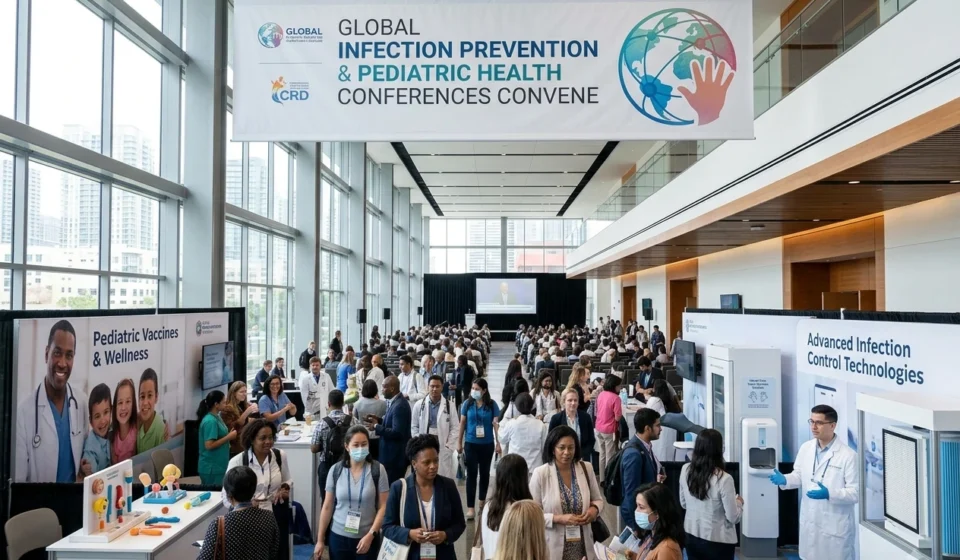

Medical researchers, epidemiologists, pediatric health specialists and public health professionals gathered in Rome and Toronto on August 10, 2026, with a shared concern that reaches far beyond hospital walls: how to prevent infections, protect children from nutritional harm and slow the spread of antimicrobial resistance. Across the discussions, the focus was firmly on practical healthcare measures, stronger surveillance and better ways to protect patients whose health can change rapidly when infection or malnutrition takes hold.
Healthcare Associated Infections Remain a Persistent Patient Safety Challenge
For patients entering a hospital, clinic or long term care facility, medical treatment is supposed to represent a path toward recovery. Yet healthcare associated infections can introduce another health threat during that journey. Researchers meeting in Rome placed renewed attention on infection prevention and control, an area that often depends on routine practices rather than dramatic medical interventions.
Hand hygiene, environmental cleaning, safe medical procedures, appropriate use of protective equipment, vaccination and reliable water and sanitation systems can all play a role in reducing preventable infections. These measures may appear ordinary when viewed individually, but their consistent application can determine whether a vulnerable patient leaves a facility healthier or faces an additional illness.
The World Health Organization’s infection prevention and control resources describe healthcare associated infections as a major public health concern and link effective infection prevention directly with efforts to contain antimicrobial resistance. The organization has also reported that a substantial share of these infections can be prevented through effective infection prevention and control programmes and basic water, sanitation and hygiene services.
Antimicrobial Resistance Raises the Stakes
The infection prevention discussions came against a worsening global resistance problem. Antimicrobial resistance occurs when bacteria, viruses, fungi or parasites stop responding adequately to medicines used to treat them. When resistance spreads, infections can become harder to control, treatment can become more complicated and patients may face longer hospital stays or more intensive care.
Recent WHO data underline the scale of the challenge. One in six laboratory confirmed bacterial infections associated with common infections worldwide was resistant to antibiotic treatment in 2023. Between 2018 and 2023, resistance increased in more than 40 percent of the pathogen and antibiotic combinations monitored, with average annual increases ranging from 5 percent to 15 percent.
For hospitals, the implications are particularly serious. A resistant infection acquired during medical care can narrow the number of effective treatments available to physicians. That can affect patients undergoing surgery, cancer treatment, transplantation or intensive care, where infection prevention is already a critical part of clinical safety.
Prevention Can Reduce the Need for Antibiotics
The central lesson is straightforward: preventing an infection is often safer than treating one after it develops. Every infection that does not occur removes one potential reason to prescribe an antimicrobial medicine.
That makes infection prevention a core part of antimicrobial stewardship rather than a separate hospital function. Strong surveillance can identify unusual infection patterns, while laboratory capacity can help clinicians determine which pathogen is responsible and which treatment is most appropriate. Better prescribing practices can then reduce unnecessary exposure to antibiotics and other antimicrobial medicines.
WHO’s current global action plan on antimicrobial resistance also places infection prevention, surveillance, appropriate antimicrobial use, research and equitable access to diagnostics among its strategic priorities.
Toronto Discussions Put Pediatric Nutrition in Focus
In Toronto, pediatric health specialists turned attention toward another fundamental determinant of survival and development: nutrition. For children, nutritional needs are closely connected with immune function, physical growth, brain development and the ability to recover from illness.
The discussions around pediatric nutrition innovation reflect a growing recognition that malnutrition is not a single condition. Children may experience wasting, stunting, micronutrient deficiencies or excessive weight, sometimes within the same population or household. The challenge is therefore not simply to provide more food, but to ensure that children can consistently access safe, nutritious and age appropriate diets.
UNICEF reports that at least one in three children under age five experiences malnutrition in its visible forms, including undernutrition and overweight. It also warns that deficiencies in essential micronutrients can weaken immune systems and interfere with physical and cognitive development.
Researchers and health professionals increasingly see nutrition services as part of broader primary healthcare rather than as an isolated programme. Screening children for growth problems, identifying wasting early, supporting caregivers and providing appropriate therapeutic nutrition can help prevent relatively manageable nutritional problems from becoming medical emergencies.
Innovation Must Reach Families, Not Remain in Research Centers
The conversations in Toronto also point toward a practical question that often determines whether a medical innovation matters outside a conference room: can families actually use it?
A promising nutritional product has limited value if it is too expensive, difficult to transport or unavailable in rural communities. A screening tool is less useful if health workers cannot receive adequate training. A new clinical approach cannot improve outcomes if clinics lack reliable supplies, electricity, clean water or systems for following children after treatment.
UNICEF’s nutrition strategy takes a systems approach that connects food, health, water and sanitation, education and social protection. Its programmes include early childhood nutrition, treatment for wasting, maternal nutrition and nutrition support during humanitarian emergencies.
That perspective is particularly relevant as researchers examine new approaches to pediatric nutrition. Successful innovation may involve improved therapeutic foods and micronutrient products, but it can also involve better screening, data collection, caregiver education and delivery systems that allow treatment to reach children before their condition becomes severe.
Why Infection and Nutrition Belong in the Same Health Conversation
Although infection prevention and pediatric nutrition may appear to occupy separate medical fields, the two are closely connected. A poorly nourished child can have greater vulnerability to infection, while repeated or severe infections can worsen nutritional status. The relationship can become a cycle in which illness reduces appetite and nutrient absorption while malnutrition weakens the body’s ability to respond to disease.
For families, that cycle is not an abstract epidemiological concept. It can mean a child losing weight during an illness, a parent spending days traveling between clinics or a household struggling to afford nutritious food while also paying for medical care.
This is why researchers increasingly stress integrated care. Infection prevention, immunization, nutrition screening, clean water, sanitation and access to appropriate treatment can reinforce one another. A health system that addresses these factors together is better positioned to protect children before they reach a crisis point.
Global Collaboration Is Becoming Essential
The international gatherings in Rome and Toronto also highlight the importance of collaboration across borders. Pathogens do not stop at national boundaries, and antimicrobial resistance can spread through communities, healthcare systems, animals and the environment. Likewise, childhood nutrition problems are influenced by food prices, conflict, climate pressures, humanitarian emergencies and access to healthcare.
Researchers therefore need comparable data, health authorities need reliable surveillance and frontline workers need practical guidance that can be adapted to local conditions. The scientific community also needs stronger links with parents, caregivers and communities, whose experiences can reveal barriers that laboratory research alone cannot identify.
For pediatric nutrition, that means measuring not only whether a programme exists, but whether children are actually receiving nutritious diets and timely treatment. For infection prevention, it means looking beyond written policies to determine whether healthcare facilities have the staff, supplies, training and infrastructure required to put those policies into practice.
The Measures That Could Make the Biggest Difference
The discussions surrounding the August 10 meetings point toward several practical priorities for health systems and communities:
- Strengthen infection prevention and control programmes in hospitals and clinics.
- Improve laboratory testing and surveillance so resistant infections can be identified earlier.
- Use antibiotics and other antimicrobials carefully, with treatment guided by clinical evidence and appropriate diagnostics.
- Integrate nutrition screening and treatment into routine pediatric and primary healthcare.
- Improve access to safe water, sanitation, hygiene and nutritious foods.
- Invest in research that produces affordable tools suitable for use in low resource and emergency settings.
- Include parents, caregivers and frontline health workers when new healthcare programmes are designed and evaluated.
A Patient First Test for Medical Progress
What happens after researchers return home may ultimately matter more than what was presented in conference halls. The value of international medical meetings is measured by whether evidence becomes safer hospital practice, whether resistant infections are detected sooner and whether a child who needs nutrition support receives it before a preventable condition becomes life threatening.
The global health community has formidable challenges ahead, but the direction of the discussions is encouraging. Infection prevention offers one of the most direct ways to reduce avoidable illness and unnecessary antimicrobial use, while better pediatric nutrition can strengthen children’s ability to grow, learn and withstand disease.
Our measure of progress should therefore remain close to the patient. It is the child whose weight begins to recover, the family that avoids a preventable hospital infection and the patient who receives an effective medicine because resistance was contained. Those outcomes give international research its clearest purpose and make cooperation between epidemiologists, clinicians, nutrition specialists and public health leaders more than an academic exercise.