

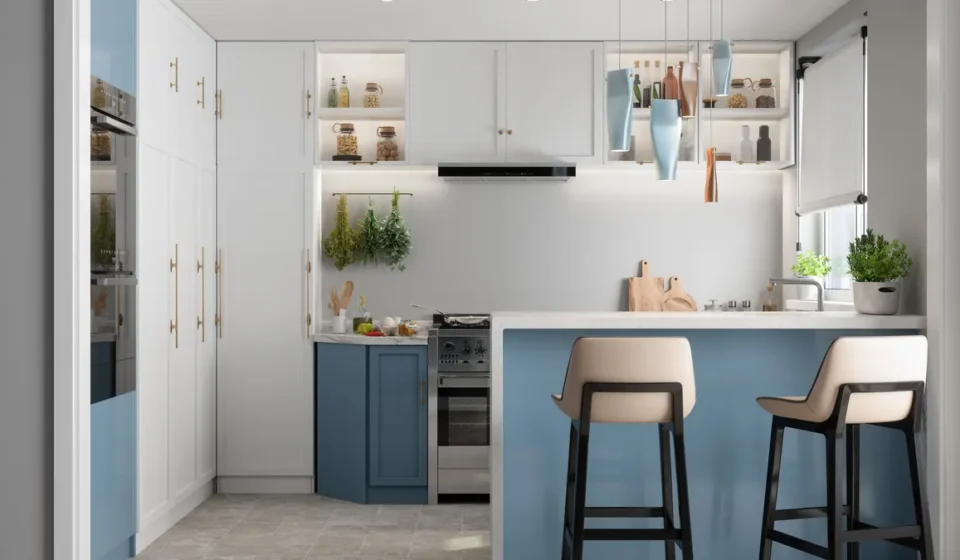

August 2, 2026 marks another turning point for the global housing market as fresh real estate data points to a rapid increase in compact multi family residential developments across major cities. Developers are reshaping projects around smaller apartments, flexible interiors, and modular living concepts that allow residents to make better use of every square foot. The trend reflects changing household patterns, rising construction costs, growing urban populations, and a stronger focus on practical living rather than simply larger homes.
We are witnessing more than a design preference. This is a structural change that is influencing architects, builders, furniture manufacturers, investors, and city planners. Apartment layouts are becoming smarter instead of bigger, with every wall, cabinet, and corner expected to perform multiple functions. The shift signals a broader rethink of what comfortable urban living looks like in the years ahead.
Compact housing becomes a defining feature of new residential construction
Developers across North America, Europe, Asia, and parts of Latin America are increasing the number of projects centered on smaller residential units. While apartment sizes have gradually declined over the past decade in many cities, recent market data suggests the pace has accelerated as affordability pressures continue to influence both buyers and renters.
The appeal of compact housing extends beyond lower purchase prices. Many younger professionals, single person households, retirees, and remote workers increasingly value central locations, shorter commutes, and access to public transportation over larger private living spaces. A smaller apartment located near employment centers, restaurants, parks, and cultural attractions often provides greater day to day convenience than a larger residence farther from city centers.
This changing balance between location and size is encouraging developers to rethink floor plans from the earliest stages of construction.
Every square foot now carries greater value
Design teams are approaching residential projects with a different philosophy. Instead of adding more floor area, they are seeking ways to improve functionality inside existing dimensions. Living rooms increasingly serve as workspaces during the day and entertainment areas at night. Bedrooms feature integrated storage, while kitchens include space saving appliances and flexible preparation surfaces.
Many newly completed apartment buildings incorporate modular furniture systems that allow residents to adapt rooms throughout the day. Fold away beds, movable partitions, expandable dining tables, and built in shelving help maximize usable space without sacrificing comfort.
These ideas are supported by advances in digital design software and building information modeling, allowing architects to evaluate hundreds of layout possibilities before construction begins. Organizations such as the American Institute of Architects continue to highlight efficient residential planning and sustainable building practices that support modern urban development.
Affordability pressures continue shaping developer decisions
Housing affordability remains one of the strongest forces behind the movement toward compact apartments. Land values have climbed steadily in many metropolitan areas, while labor expenses, financing costs, and material prices continue placing pressure on project budgets.
Smaller residential units allow developers to increase the total number of homes within a project while keeping individual purchase prices or rental costs more accessible than larger alternatives. Although affordability challenges remain significant, compact layouts can help create additional housing supply in neighborhoods experiencing sustained demand.
Investors are also paying close attention. Residential buildings with efficient floor plans may appeal to a broader tenant base, potentially supporting stronger occupancy levels during periods of economic uncertainty.
Changing lifestyles reshape expectations inside the home
Consumer preferences have evolved alongside economic realities. Many households are placing greater importance on flexibility rather than sheer size. Residents increasingly seek homes that can adapt to changing work schedules, family needs, and leisure activities without requiring frequent relocation.
The experience of walking into a thoughtfully designed compact apartment often feels different from older expectations about small living spaces. Natural light fills open rooms. Storage disappears behind clean cabinetry. Sliding doors create privacy when needed while maintaining openness throughout the day. Quiet reading corners become productive home offices within minutes.
Developers recognize that thoughtful planning often matters more than total square footage. Efficient circulation, comfortable ceiling heights, quality finishes, and generous windows frequently shape resident satisfaction as much as room dimensions.
Modular interiors gain momentum across global markets
Modular interior planning has become one of the fastest growing elements of residential design. Instead of treating furniture as separate from architecture, developers increasingly integrate storage, seating, lighting, and workspace solutions directly into apartment layouts.
Common features appearing in new developments include:
- Built in storage extending from floor to ceiling.
- Convertible furniture serving multiple daily functions.
- Flexible room dividers that adjust interior layouts.
- Compact kitchens with efficient appliance placement.
- Shared building amenities that reduce the need for larger private spaces.
These design strategies also support sustainability goals by reducing material use while encouraging more efficient energy consumption within residential buildings.
Shared amenities become part of the living experience
Developers are increasingly balancing smaller private apartments with expanded shared facilities throughout residential communities. Modern apartment buildings frequently include coworking lounges, rooftop gardens, fitness centers, community kitchens, pet areas, bicycle storage, and outdoor gathering spaces.
This approach reflects an understanding that residents often seek experiences extending beyond their own apartment walls. Well designed communal areas encourage social interaction while allowing individual units to remain compact without feeling restrictive.
Urban planners also view these mixed use residential concepts as opportunities to strengthen neighborhood connections and reduce dependence on private vehicles by placing daily services within walking distance.
Technology supports more efficient residential design
Digital innovation continues influencing residential construction from planning through occupancy. Advanced modeling software helps architects optimize floor plans before ground is broken, while smart home technology allows residents to control lighting, heating, ventilation, and security through integrated systems.
Manufacturers are introducing increasingly compact appliances that consume less energy while maintaining strong performance. Smaller heating and cooling equipment, integrated laundry solutions, and multifunctional kitchen systems all contribute to more efficient residential layouts.
Industry guidance available through the United Nations Human Settlements Programme also highlights the importance of sustainable urban development that balances housing supply with livable communities and environmental responsibility.
Developers face important design challenges
Building smaller apartments does not automatically create better housing. Residents continue expecting privacy, natural light, ventilation, sound insulation, accessibility, and comfortable daily living conditions. Projects that reduce apartment size without careful planning risk creating spaces that feel crowded or difficult to use.
Successful developments therefore rely on thoughtful architectural decisions rather than simply reducing floor area. Window placement, storage capacity, furniture flexibility, circulation paths, and durable construction materials all influence whether compact housing feels inviting or restrictive.
Local regulations also play an important role. Building codes, minimum dwelling size requirements, accessibility standards, and zoning policies differ across countries and cities, shaping how developers implement compact housing strategies.
What this shift could mean for future cities
The growing preference for smaller apartments reflects broader changes taking place across the global economy. Urban populations continue expanding while available land remains limited in many desirable locations. Developers, governments, architects, and residents are all searching for practical ways to increase housing supply without sacrificing quality of life.
Compact residential design alone cannot solve every housing challenge. Issues involving affordability, infrastructure, transportation, and income inequality remain complex and require coordinated public and private investment. Yet efficient apartment planning has become one meaningful tool within a much larger effort to create more resilient cities.
We believe the most successful residential developments will be those that combine intelligent design with genuine attention to everyday human experience. A smaller apartment filled with natural light, flexible spaces, thoughtful storage, and welcoming shared amenities can often provide a richer living environment than a much larger home designed without those qualities in mind.
As developers continue adapting projects around space efficient layouts and modular interiors, the definition of a desirable home is steadily changing. Rather than measuring value solely by square footage, many future residents may judge their homes by how comfortably each space supports work, rest, connection, and daily life. That shift is likely to shape residential construction for many years to come.