

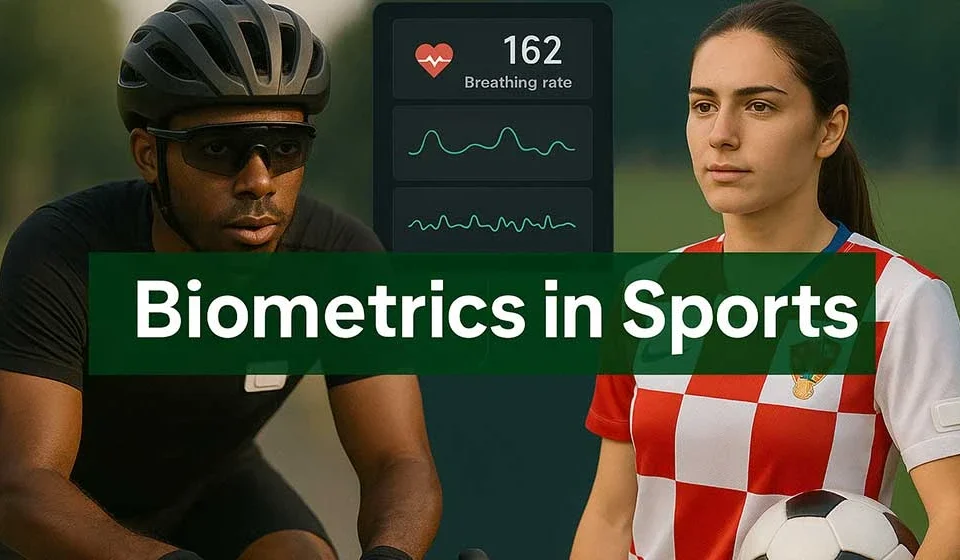

The way elite athletes are protected during extreme weather competitions is set to change after international athletics leaders approved updated biometric monitoring standards on July 21, 2026. The new framework arrives as governing bodies prepare for a busy calendar of major multi sport events where soaring temperatures, rising humidity, and unpredictable weather have become serious concerns. We see these changes as a significant step toward balancing athletic performance with long term health, offering competitors and medical teams more reliable tools to identify risks before they become emergencies.
The revised standards focus on collecting health data during training sessions and competitions held in demanding environmental conditions. Officials believe the new approach will help medical staff recognize warning signs earlier, improve decision making during races, and reduce the likelihood of heat related illnesses. While technology has played a growing role in elite sports for years, the latest rules place greater attention on athlete welfare rather than performance alone.
Why the new standards were introduced now
Extreme weather has become an increasingly common challenge for organizers of international sporting events. Record breaking temperatures have forced schedule changes, altered training plans, and raised difficult questions about athlete safety. We have watched endurance races begin before sunrise, marathon routes receive additional cooling stations, and medical teams expand their emergency response capabilities to address heat stress.
Sports scientists have repeatedly warned that high temperatures combined with intense physical effort can place extraordinary strain on the human body. Heart rate, hydration levels, internal body temperature, and recovery patterns all influence whether an athlete can continue competing safely. The updated monitoring standards seek to give physicians and event organizers clearer information before conditions become dangerous.
The growing scientific consensus surrounding heat related illness has encouraged governing organizations to adopt stronger medical protocols. Research published through the World Health Organization continues to highlight the health risks associated with rising global temperatures, including their impact on physical activity and outdoor events.
What biometric monitoring includes
Biometric monitoring refers to the collection of physiological information that helps medical professionals evaluate an athlete’s condition during training and competition. Modern wearable devices and approved medical equipment can collect information without significantly interrupting performance.
Depending on the competition and governing body requirements, monitored indicators may include:
- Heart rate trends throughout competition
- Core body temperature measurements
- Hydration status
- Recovery indicators following intense exertion
- Environmental heat exposure alongside individual physical response
The purpose is not to replace medical judgment but to support it with objective evidence. Physicians can combine biometric readings with physical examinations and athlete feedback before making decisions about continued participation.
Athlete health moves to the center of competition planning
One of the most meaningful aspects of the updated standards is the shift in philosophy. Rather than treating medical intervention as something that happens after symptoms appear, organizers are placing greater value on prevention. We believe this reflects lessons learned from previous international competitions where athletes faced difficult environmental conditions despite careful preparation.
Elite competitors often push through discomfort because years of training have conditioned them to ignore fatigue during critical moments. Biometric monitoring creates another layer of protection by identifying warning signs that athletes themselves may not immediately recognize.
Medical professionals can respond more quickly if data suggests rising internal temperatures, abnormal cardiovascular strain, or signs of dehydration. Early intervention may involve additional cooling periods, medical assessment, temporary removal from competition, or complete withdrawal when necessary.
Balancing technology with privacy concerns
Any expansion of health monitoring naturally raises questions about privacy and data security. Athletes generate highly personal medical information, and governing bodies face growing responsibility to protect that data from misuse.
The updated standards are expected to include clearer expectations regarding how biometric information is collected, stored, accessed, and shared. Medical personnel, event organizers, and athletes must understand who can view the information and under what circumstances it may influence competition decisions.
Privacy advocates have long argued that health information should remain under strict medical oversight. Many athletes also support transparent rules that prevent biometric data from becoming a competitive scouting tool for rival organizations.
Extreme weather is changing the sports calendar
Climate conditions have steadily influenced the scheduling of international competitions. Heat waves, wildfire smoke, severe humidity, and changing seasonal weather patterns have created new logistical challenges across multiple sports.
Organizers increasingly consider:
- Earlier start times for endurance events
- Additional hydration opportunities along race coursesExpanded shaded recovery zones
- More frequent environmental risk assessments
- Larger medical teams stationed throughout venues
The new biometric standards complement these operational changes by providing real time health information rather than relying solely on weather forecasts and environmental measurements.
Sports science continues to influence competition rules
The relationship between sports science and competition regulations has grown stronger over the past decade. Advances in wearable technology, medical imaging, and physiological research have allowed governing bodies to make more informed decisions regarding athlete safety.
Organizations responsible for international athletics increasingly consult physicians, exercise physiologists, emergency medicine specialists, and environmental health researchers when developing competition policies. This collaborative approach helps ensure that rule changes reflect current scientific understanding rather than tradition alone.
Educational resources developed through the International Olympic Committee also continue to encourage evidence based medical practices that support athlete health across Olympic sports.
How athletes and coaches may adapt
The approval of updated monitoring standards will likely influence training routines long before athletes arrive at major competitions. Coaches may expand heat acclimatization programs, adjust recovery schedules, and incorporate additional physiological testing throughout preparation.
Athletes themselves may become more familiar with interpreting biometric feedback during training sessions. Instead of viewing wearable technology simply as a performance tracking tool, many competitors are expected to use it as part of broader health management strategies.
This change may also encourage more open communication between athletes and medical staff. Objective health information can reduce uncertainty when difficult decisions arise during competition.
Medical teams gain stronger decision making support
Medical professionals working at international competitions often face intense pressure. Decisions must sometimes be made within seconds while athletes continue competing in demanding conditions before large crowds and global television audiences.
The updated standards provide another source of evidence that may support rapid medical evaluations. Although no technology can replace experienced clinical judgment, biometric monitoring offers additional context that can improve confidence during critical moments.
Experts generally agree that successful implementation will depend on proper training, reliable equipment, standardized measurement procedures, and clear communication between medical personnel, coaches, officials, and athletes.
Looking ahead to future international competitions
The approval of these new biometric monitoring standards signals a broader shift in how global sport approaches athlete welfare. Competitive excellence remains central to international athletics, yet protecting participants from preventable medical emergencies has become an equally important priority.
We expect the updated framework to receive close attention during upcoming multi sport competitions, where organizers will have opportunities to evaluate how effectively the new standards improve medical response and athlete safety. Future revisions will likely build upon practical experience gathered from real world events.
Elite athletes have always accepted extraordinary physical demands in pursuit of excellence. The latest health monitoring standards recognize that ambition should be matched by equally strong medical safeguards. As climate conditions continue to challenge outdoor competition, the combination of scientific research, experienced medical oversight, and responsible use of biometric technology may become one of the defining features of international sport in the years ahead.