

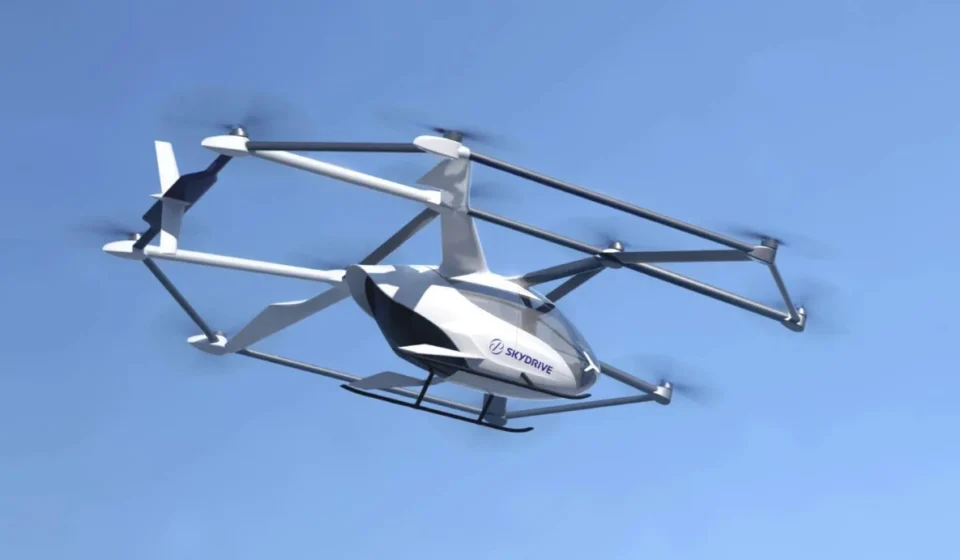

Communities living on remote islands often face a race against time when a medical emergency strikes. A patient needing urgent surgery or specialized treatment can lose precious minutes waiting for a conventional aircraft or boat. On July 21, 2026, SkyDrive, Industrial Technology Research Institute, and 7A Drones announced a practical framework designed to bring electric vertical takeoff and landing aircraft into emergency medical transport, marking a meaningful step toward faster and more reliable healthcare access for isolated populations. We see this initiative as more than an aviation milestone. It represents a growing effort to connect advanced air mobility with everyday public services where speed can directly affect patient outcomes.
Partnership Focuses on Practical Medical Aviation
The collaboration brings together organizations with complementary expertise. SkyDrive has built its reputation through the development of compact electric aircraft intended for urban and regional transportation. Industrial Technology Research Institute, commonly known as ITRI, contributes research capabilities and technical development across advanced industries. Meanwhile, 7A Drones offers operational experience with unmanned aviation and flight services.
Rather than announcing a distant vision, the partners have formalized a framework that addresses how electric aircraft can operate within emergency healthcare systems serving islands. This includes examining operational procedures, infrastructure planning, airspace coordination, and practical deployment strategies instead of limiting the project to aircraft development alone.
That distinction matters because successful emergency aviation depends on far more than building a capable aircraft. Landing locations, communication systems, medical coordination, pilot operations, maintenance planning, and regulatory approval all play essential roles before patients can safely benefit.
Why Island Medical Transport Presents Unique Challenges
Island communities frequently experience healthcare limitations that mainland residents rarely notice. Smaller populations often cannot support major hospitals equipped for trauma care, advanced surgery, or specialized treatment. Patients requiring higher levels of care must travel to larger medical centers, sometimes under difficult weather conditions or across significant stretches of water.
Traditional transportation options may include helicopters, boats, or fixed wing aircraft. Each carries operational limitations. Helicopters can be expensive to operate and maintain. Boats may be slowed by rough seas. Conventional airplanes require runways that smaller islands may not possess.
Electric vertical takeoff and landing aircraft offer a different approach. Because they can take off and land vertically, these aircraft require far less space than conventional airplanes while potentially offering lower operating costs than many traditional helicopter missions.
How eVTOL Aircraft Could Support Emergency Healthcare
Electric vertical takeoff and landing aircraft have attracted worldwide attention as cities and governments explore advanced air mobility. While public discussion often centers on passenger transportation, healthcare may become one of the technology’s most valuable early applications.
Medical transport missions generally prioritize reliability, rapid deployment, and direct routing. For patients experiencing stroke, severe injury, cardiac emergencies, or complications requiring specialist care, reducing transportation time can improve treatment opportunities.
An operational medical transport network using electric aircraft could provide benefits such as:
- Faster patient transfers between islands and regional hospitals.
- Reduced dependence on lengthy marine transportation.
- Additional emergency response capacity during natural disasters.
- Potential transportation of medical supplies, blood products, and critical equipment.
- Lower local emissions compared with many conventional aviation options.
While every emergency differs, healthcare providers consistently recognize that transportation delays can complicate treatment decisions. Any technology capable of shortening those delays deserves careful evaluation.
Infrastructure Will Determine Success
Aircraft alone cannot create a functioning medical transport network. Infrastructure remains the foundation of advanced air mobility.
The framework announced by SkyDrive, ITRI, and 7A Drones highlights the need to coordinate landing facilities, charging systems, operational procedures, emergency communications, maintenance planning, and healthcare integration. These elements allow aviation technology to become part of routine emergency operations instead of remaining a demonstration project.
Communities considering electric aircraft will also need cooperation among hospitals, emergency responders, aviation authorities, local governments, and utility providers. Reliable electrical supply and resilient communications become especially valuable during severe weather or other emergencies.
Organizations such as the International Civil Aviation Organization continue supporting international aviation safety standards that will influence how advanced air mobility develops across different regions.
Safety and Regulation Remain Central Priorities
Medical aviation operates under exceptionally high safety expectations. Patients transported during emergencies are often in fragile condition, leaving little room for operational disruption.
Before widespread deployment becomes possible, manufacturers and operators must satisfy aviation regulators through extensive certification, testing, pilot training, maintenance procedures, and operational reviews. Authorities will examine aircraft performance, battery reliability, flight control systems, emergency procedures, weather capabilities, and communication protocols.
Regulatory agencies worldwide continue developing standards specifically tailored to advanced air mobility. The Federal Aviation Administration, along with aviation authorities in other countries, has expanded work involving certification pathways and operational guidance for emerging aircraft technologies.
These regulatory efforts help ensure that innovation progresses without compromising passenger safety or public confidence.
Environmental Considerations Add Another Layer of Interest
Electric aircraft also attract attention because they produce no direct emissions during flight. Although the overall environmental impact depends on electricity generation and manufacturing processes, electric propulsion may reduce local air pollution while producing less noise than many conventional rotorcraft.
For island communities known for natural beauty, quieter transportation can provide an additional public benefit. Lower noise levels may improve acceptance among residents while reducing disturbance near hospitals and residential neighborhoods.
Still, experts caution that sustainability assessments should consider battery production, charging infrastructure, electricity sources, and aircraft life cycle impacts rather than focusing only on flight operations.
A Growing Global Interest in Advanced Air Mobility
The announcement arrives during a period of accelerating international interest in advanced air mobility. Governments, aerospace companies, technology firms, and healthcare providers continue exploring practical applications extending beyond urban passenger flights.
Medical logistics has become one of the strongest candidates for early adoption because public value can be measured through improved healthcare access rather than passenger convenience alone.
Countries with extensive coastlines, scattered islands, mountainous terrain, or rural populations may find electric aircraft particularly useful where conventional transportation faces geographical obstacles.
Successful implementation in island healthcare settings could provide valuable operational experience before similar systems expand into broader emergency response networks.
Economic Questions Still Need Clear Answers
While enthusiasm surrounding electric aviation continues growing, financial considerations remain important.
Communities must evaluate aircraft acquisition costs, charging infrastructure, maintenance requirements, pilot training, insurance, regulatory compliance, and ongoing operational expenses. Public agencies will likely compare these costs with existing helicopter services or contracted emergency transportation providers.
Long term savings may become possible if electric propulsion lowers maintenance complexity or fuel expenses, but those assumptions require careful real world validation through sustained operations.
The framework announced by the three partners suggests that planning extends beyond technology toward practical deployment, giving stakeholders opportunities to study operational economics before broader expansion.
Patients Stand at the Center of the Conversation
Technology announcements often highlight engineering achievements, yet the real measure of success will come from the people these aircraft eventually serve.
Imagine a parent watching medical staff prepare an urgent transfer for an injured child. Imagine an elderly patient needing immediate specialist care unavailable on a small island. Every minute saved during transportation can provide doctors with more time to diagnose, stabilize, and treat.
Those human stories explain why healthcare applications continue attracting serious attention within the advanced air mobility sector. Faster transportation alone cannot guarantee better outcomes, but improved access to specialized care can strengthen healthcare systems serving geographically isolated populations.
What Comes Next
The agreement between SkyDrive, ITRI, and 7A Drones represents another building block in the broader development of electric aviation for public service. Future progress will likely involve demonstration flights, infrastructure planning, regulatory engagement, operational testing, and collaboration with healthcare providers before routine emergency missions become common.
We believe the significance of this announcement lies not only in the aircraft themselves but also in the willingness of technology developers, research institutions, and aviation operators to address real public needs through coordinated planning. If successful, this framework could offer a model for other island regions seeking dependable emergency transportation while supporting the gradual expansion of advanced air mobility across healthcare systems worldwide.