

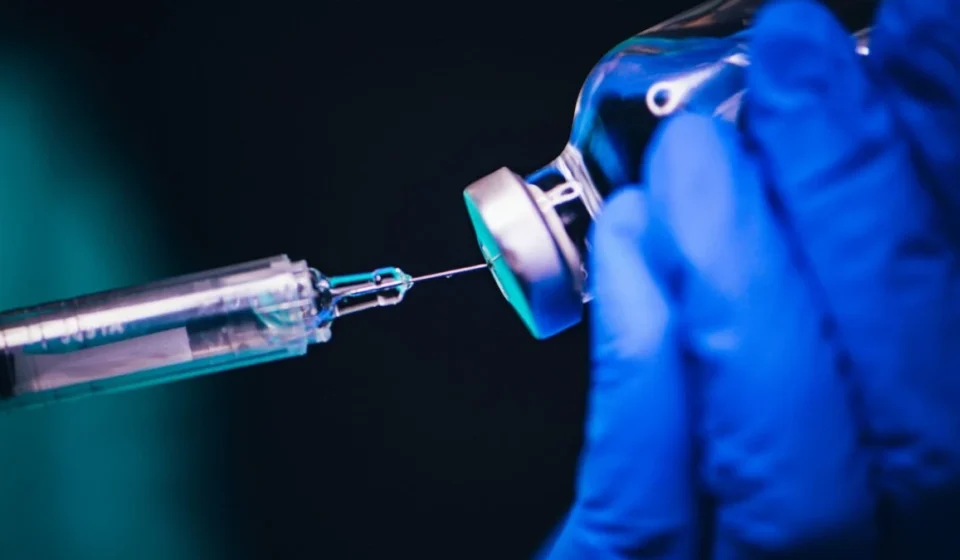

The World Health Organization has cleared a broad spectrum vaccine candidate to enter Phase 3 global trials, a major step toward a new approach to protecting people against multiple respiratory viruses. The candidate has demonstrated protection across several viral variants, raising hopes that one vaccine could eventually offer broader coverage as airborne threats continue to change.
WHO Clearance Moves Broad Spectrum Vaccine Into Late Stage Testing
The decision announced on August 14, 2026, places the vaccine candidate at a critical point in its development. Phase 3 trials are designed to test whether a medical intervention remains effective and safe when administered to a much larger and more diverse population. For a respiratory vaccine intended for use across countries, that broader testing is especially significant.
We should be careful, however, about what the approval means. Authorization to begin Phase 3 research is not the same as approval for widespread public use. The candidate must still demonstrate that its benefits outweigh its risks through rigorous clinical evaluation before regulators can consider routine deployment.
The significance of the announcement lies in the candidate’s broad activity against multiple viral variants and major emerging airborne viruses. Rather than focusing narrowly on a single strain, the research is aimed at producing protection that can remain useful as respiratory viruses change over time.
Why Broader Respiratory Protection Matters
Respiratory viruses can spread rapidly through communities because transmission can occur through the air and close contact. A familiar pattern has emerged during major outbreaks: a virus can change genetically, new variants can appear, and protection developed against one version may not provide identical protection against another.
That challenge has pushed researchers toward vaccines capable of generating wider immune responses. A successful broad spectrum vaccine could potentially reduce the need to repeatedly reformulate immunizations whenever an important respiratory virus changes significantly.
For families, the stakes are personal. A respiratory infection may mean several difficult days at home for a healthy adult, but the consequences can be much more serious for older people, young children and those whose immune systems are less able to fight infection. Hospitals also face intense pressure when respiratory illness rises sharply during seasonal outbreaks.
A vaccine that provides meaningful protection against several important respiratory threats could therefore have implications beyond individual patients. It could help reduce severe disease, ease pressure on health systems and give public health authorities another tool when a new outbreak begins.
What the Phase 3 Trials Need to Establish
The next stage will be closely watched because early evidence, even when encouraging, cannot answer every question about a vaccine. Large trials are needed to determine how consistently the candidate performs across different groups and circumstances.
Researchers will need to assess safety, immune responses and protection against infection or serious disease. They will also need to examine how the vaccine performs among people with different ages, backgrounds and previous exposure to respiratory viruses or vaccines.
Another important question is durability. Protection that looks strong shortly after vaccination may change with time. Long term follow up can help researchers determine how quickly immunity declines and whether additional doses could be needed.
The broad nature of the candidate also makes variant monitoring essential. Respiratory viruses evolve continuously, meaning scientists will need to compare the vaccine’s performance with circulating strains throughout the research period.
The evidence researchers will be watching
- How effectively the vaccine prevents serious respiratory illness
- Whether protection remains consistent across multiple viral variants
- How frequently significant side effects occur in a larger population
- How long meaningful immune protection lasts after vaccination
- Whether different age groups respond similarly to the candidate
A Potential Shift Away From Virus Specific Vaccination
Most successful respiratory vaccination programs have historically been organized around particular diseases or viral families. A broad spectrum approach attempts to widen that protection by targeting features shared across multiple viruses or variants.
That strategy could prove particularly valuable when a new respiratory pathogen emerges before scientists have had time to develop and distribute a vaccine specifically designed for it. If a candidate already provides some level of protection against related viruses, health authorities could potentially have more time to respond while researchers work on additional measures.
We should not interpret that possibility as evidence that a universal respiratory vaccine will make future outbreaks harmless. Viral evolution is unpredictable, and immune protection can vary considerably between pathogens. The Phase 3 process exists precisely to determine how well promising laboratory and earlier clinical findings translate into real world protection.
Global Trials Could Provide More Diverse Evidence
The international scope of the research is another important consideration. Respiratory viruses do not respect national borders, and vaccine performance can be influenced by differences in previous exposure, circulating strains, health conditions and population demographics.
Testing across multiple regions can therefore produce evidence that is more representative of the populations that may eventually receive the vaccine. It can also help researchers identify differences in immune response that might be less visible in smaller studies.
The World Health Organization’s vaccine and immunization resources provide broader information about how vaccines contribute to disease prevention and public health programs worldwide.
For health authorities, the eventual results could help answer a practical question: whether a broad spectrum respiratory vaccine can become a reliable part of routine immunization programs or whether its strongest role would be during periods of heightened outbreak risk.
What This Means for the Public Right Now
For people following the announcement, the most important distinction is between clinical trial clearance and public vaccination approval. The candidate has reached an advanced stage of testing, but that does not mean it is immediately available to patients.
People should continue following existing vaccination recommendations from their national health authorities and healthcare professionals. The new candidate remains under investigation, and the Phase 3 results will determine whether its early promise holds up when tested on a much larger scale.
That cautious approach is not a setback. It is how medical evidence is built. Large clinical trials can reveal uncommon safety concerns, differences between population groups and limits to effectiveness that smaller studies cannot reliably detect.
The Larger Public Health Question
The announcement arrives as researchers and health agencies continue searching for ways to prepare for respiratory threats before they become global emergencies. A vaccine capable of covering several important viruses would represent a potentially valuable addition to that preparedness effort.
Yet the success of any universal respiratory vaccine would depend on more than its biological performance. Manufacturing capacity, affordability, distribution networks, public confidence and access would all influence how much protection it could provide at population level.
A vaccine that works exceptionally well in clinical trials but reaches communities slowly would have limited value during a rapidly spreading outbreak. The same is true if cost or supply prevents vulnerable populations from receiving it.
For that reason, the Phase 3 trials should be viewed as one part of a much larger public health effort. The scientific results will determine whether the candidate works. Policy decisions, manufacturing systems and healthcare infrastructure will determine how effectively any successful vaccine can reach people.
A Promising Step, With Evidence Still to Come
WHO’s clearance for Phase 3 testing marks an important milestone for a vaccine candidate designed to address multiple respiratory threats rather than a single viral target. Its reported multi variant defense gives researchers a strong reason to pursue larger trials, while the public has equally strong reasons to wait for complete evidence.
For us, the most encouraging aspect is the direction of the research. Preparing for respiratory outbreaks increasingly requires tools that can remain useful as viruses evolve. A broad spectrum vaccine could eventually help close part of that gap, but only if large scale testing confirms that its protection is durable, safe and meaningful in real populations.
The next phase will therefore matter far more than the headline alone. If the candidate succeeds, it could help reshape how governments and health systems prepare for future respiratory outbreaks. If limitations emerge, those findings will also provide valuable guidance for the next generation of vaccine research.
For now, the milestone is best understood as a significant scientific opportunity rather than a finished medical solution. The evidence from Phase 3 trials will determine whether this promising candidate can move from an experimental approach toward a practical tool for global respiratory disease prevention.