

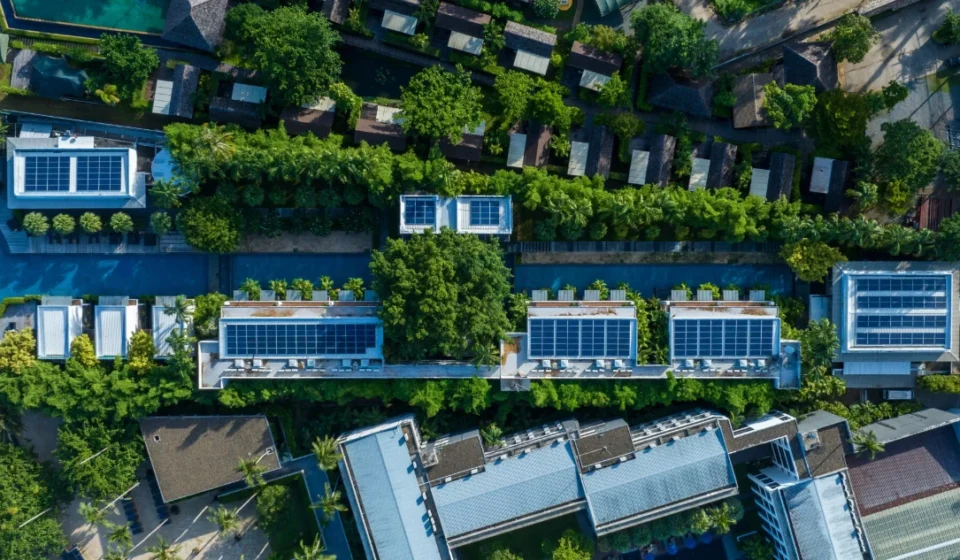

July 25, 2026 marks a significant milestone for the future of residential construction as international housing boards introduced updated net zero building standards designed to reduce energy consumption and lower carbon emissions across the housing sector. The revised codes encourage widespread use of smart heat pumps, integrated solar roofing systems, and advanced insulation materials, signaling a coordinated effort to improve energy efficiency while helping homeowners manage long term utility costs. We are witnessing a moment that could redefine how homes are designed, built, renovated, and maintained for decades to come.
Updated building codes reflect a growing commitment to climate resilient housing
Residential buildings account for a considerable share of global energy use and greenhouse gas emissions. Governments, construction professionals, and environmental experts have spent years developing building standards that balance environmental responsibility with practical housing needs. The latest international guidelines move beyond voluntary recommendations by providing a clearer framework for energy efficient residential construction.
The revised standards encourage builders to reduce reliance on fossil fuel heating while increasing the use of renewable energy systems. Smart heat pumps, rooftop solar panels, high performance insulation, energy efficient windows, and modern ventilation systems are becoming central features rather than optional upgrades. These measures work together to reduce energy waste while creating homes that remain comfortable during both hot summers and cold winters.
Housing authorities believe consistent building standards across multiple regions can help manufacturers expand production, improve product availability, and gradually reduce installation costs for consumers.
Smart heat pumps become a cornerstone of efficient home heating and cooling
One of the most notable elements of the updated standards is the growing emphasis on smart heat pump technology. Unlike conventional heating systems that generate heat directly, heat pumps transfer heat between indoor and outdoor environments with remarkable efficiency.
Modern smart heat pumps also use intelligent controls that automatically adjust performance based on occupancy, outdoor temperatures, and household energy demand. This allows homeowners to maintain comfortable indoor conditions while reducing unnecessary electricity consumption.
Many housing experts believe heat pumps will become one of the defining technologies of residential construction because they provide heating and cooling within a single integrated system. Their compatibility with renewable electricity further supports national and international carbon reduction goals.
Readers interested in learning more about heat pump technology can explore educational resources provided by the United States Department of Energy.
Solar roofing moves closer to mainstream residential construction
Solar energy continues to play an increasingly important role in modern housing. The updated building codes encourage builders to design roofs that either include photovoltaic panels during construction or remain ready for future installation.
Integrated solar roofing offers several practical benefits. Homeowners may reduce dependence on grid electricity during daylight hours while improving resilience during periods of rising energy prices. When paired with battery storage systems, solar generation can provide greater energy security during temporary power interruptions.
Advances in panel efficiency and installation methods have also improved the visual appearance of rooftop solar systems, making them more attractive to homeowners seeking both sustainability and modern architectural design.
Better insulation quietly delivers some of the greatest energy savings
Although heat pumps and solar panels often receive the greatest public attention, insulation remains one of the most effective ways to improve residential energy performance. Updated standards place renewed focus on wall insulation, roof insulation, floor insulation, and air sealing techniques that reduce unwanted heat transfer.
Well insulated homes require less heating during winter and less cooling during summer. This not only lowers monthly energy expenses but also creates more consistent indoor temperatures throughout the year. Residents often notice quieter interiors as high quality insulation materials can reduce outside noise along with improving thermal performance.
Manufacturers continue developing insulation products made from recycled and renewable materials, supporting broader sustainability goals without sacrificing durability or effectiveness.
Homeowners may benefit from lower operating costs over time
One question frequently raised whenever building standards become more demanding concerns affordability. New technologies can increase initial construction costs, yet housing economists point out that efficient homes often deliver meaningful financial savings throughout their lifespan.
Lower electricity consumption, reduced heating expenses, fewer maintenance requirements, and stronger property values may help offset higher upfront investments. As manufacturing volumes continue growing, industry analysts also expect equipment costs to become more competitive.
Financial incentives offered by individual governments may further support homeowners choosing energy efficient technologies. While policies vary between countries, many regions already provide rebates, tax incentives, or financing programs that encourage sustainable home improvements.
Builders and manufacturers prepare for changing market expectations
Construction companies are expected to expand workforce training as the updated standards become more widely adopted. Electricians, heating specialists, insulation installers, roofing professionals, architects, and energy consultants will all play important roles in delivering compliant residential projects.
Manufacturers are likewise investing in research and production capacity to meet growing demand for efficient equipment and environmentally responsible building materials. Industry leaders believe consistent international guidance may simplify product development by reducing differences between regional requirements.
This greater alignment could encourage innovation while improving supply chain reliability for builders working across multiple markets.
Technology makes energy efficient homes easier to manage
Digital home management systems continue expanding alongside improvements in building performance. Smart thermostats, connected energy monitors, intelligent ventilation controls, and battery management software allow homeowners to monitor energy use through mobile applications.
These systems can automatically adjust heating and cooling schedules based on weather forecasts, occupancy patterns, and electricity pricing where available. The result is greater convenience alongside improved energy performance.
Many experts believe future residential developments will increasingly combine renewable energy generation, battery storage, electric vehicle charging, and intelligent energy management into a unified home ecosystem.
Communities stand to gain beyond individual households
The updated housing standards are expected to produce benefits extending well beyond individual residences. Communities with more efficient housing stock may experience lower peak electricity demand, improved local air quality, and stronger resilience during periods of extreme weather.
Reduced energy demand can also lessen pressure on national power infrastructure while supporting broader climate objectives adopted by governments around the world. For growing urban areas facing rapid population increases, efficient housing may become an essential component of sustainable development planning.
Key features encouraged by the revised residential standards
- High efficiency smart heat pump systems for heating and cooling.
- Solar roof integration for renewable electricity generation.
- Advanced insulation materials with improved thermal performance.
- Energy efficient windows and reduced air leakage.
- Smart home controls that optimize energy consumption.
- Building designs prepared for future clean energy technologies.
International cooperation supports broader climate goals
The introduction of updated net zero residential building standards reflects years of collaboration among housing authorities, engineering specialists, environmental researchers, and construction professionals. Shared technical guidance allows countries to exchange successful building practices while encouraging consistent improvements in residential performance.
Global organizations continue promoting efficient buildings as one of the most practical strategies for reducing emissions while supporting healthier living environments. Additional information about international climate initiatives is available through the United Nations Environment Programme.
The future of residential housing is steadily taking shape
Homes have always reflected the priorities of their time. Earlier generations focused on durability and affordability. Modern homeowners increasingly expect efficiency, resilience, comfort, and environmental responsibility alongside attractive design. The updated international building standards reflect those changing expectations by encouraging technologies that reduce waste without compromising everyday living.
While implementation will differ across countries, the direction is becoming increasingly clear. Residential construction is moving toward cleaner energy systems, smarter building management, and stronger insulation that work together to reduce environmental impact while creating healthier places to live. For families planning new homes, builders preparing future developments, and governments seeking practical climate solutions, the latest net zero housing standards represent an important step toward a more sustainable residential future.