

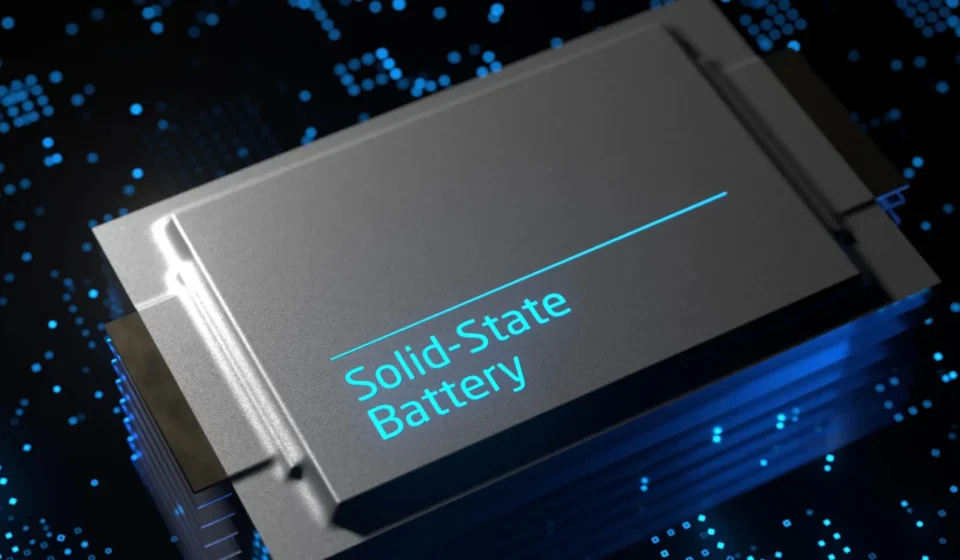

The race to build safer, faster charging batteries has reached a pivotal moment after researchers uncovered the hidden mechanical process that causes solid state batteries to fail. For years, scientists struggled to explain how extremely soft lithium dendrites could pierce and fracture hard ceramic electrolytes, leading to dangerous short circuits. The answer resolves one of the biggest scientific puzzles in advanced battery development and could speed progress toward electric vehicles, smartphones, laptops, and energy storage systems that charge quickly while lasting much longer than today’s lithium ion technology.
A Long Standing Scientific Puzzle Finally Has an Answer
Solid state batteries have attracted enormous attention because they replace the flammable liquid electrolyte found in conventional lithium ion batteries with a solid material. This design promises better safety, greater energy density, and faster charging capabilities. Despite those advantages, one persistent obstacle has prevented widespread commercialization.
Microscopic lithium dendrites, which resemble tiny metallic branches, can grow during repeated charging cycles. Once they reach the ceramic electrolyte, they eventually trigger internal short circuits that reduce battery life and create reliability concerns. Researchers understood the outcome but could not fully explain the underlying mechanics because lithium metal is remarkably soft while ceramic materials are among the hardest substances used inside batteries.
The latest findings reveal that the interaction is not simply a matter of hardness. Instead, the stresses generated during lithium growth become concentrated within microscopic imperfections inside the ceramic structure. Over time, these localized forces create cracks that spread through the electrolyte until an electrical pathway forms.
Why Soft Lithium Can Break Hard Ceramic
The discovery overturns the common assumption that a softer material cannot seriously damage a much harder one. Scientists found that lithium does not need to overpower the ceramic directly. As lithium deposits continue expanding inside extremely small defects, pressure steadily builds in confined spaces.
Those concentrated mechanical forces become strong enough to initiate tiny fractures. Once a crack begins, repeated charging allows lithium to continue filling the opening, gradually widening it until the ceramic barrier can no longer isolate the battery electrodes.
This explanation provides engineers with a clear physical model for battery failure instead of relying on competing theories. It also gives manufacturers specific targets for improving battery materials and production techniques.
What This Means for Future Electric Vehicles
Automakers have invested billions of dollars in solid state battery research because the technology could address several consumer concerns at once. Drivers want vehicles that travel farther on a single charge, recharge in minutes instead of hours, and remain dependable throughout years of daily use.
The new research could help developers reach those goals by allowing them to redesign battery components with the newly identified mechanical behavior in mind. Engineers may focus on reducing microscopic defects inside ceramic electrolytes, improving manufacturing precision, and developing structures that distribute stress more evenly.
If successful, future electric vehicles could benefit from:
- Longer battery lifespan through improved resistance to internal cracking.
- Greater safety by lowering the likelihood of internal short circuits.
- Faster charging without significantly increasing mechanical damage.
- Higher energy storage that supports longer driving distances.
These improvements could also reduce maintenance costs while increasing consumer confidence in next generation electric transportation.
Consumer Electronics Could Benefit Just as Much
The implications extend well beyond automobiles. Smartphones, tablets, wearable devices, drones, and laptop computers all rely on compact batteries that balance performance with safety.
Consumers increasingly expect devices that can operate throughout the day, recharge during a short break, and continue performing reliably after years of regular use. Solid state battery technology has long been viewed as a pathway toward meeting those expectations.
By identifying the precise cause of ceramic failure, researchers have given electronics manufacturers valuable information that could improve product durability while reducing overheating risks associated with damaged batteries.
The Mechanical Discovery Opens New Research Directions
The findings are expected to influence numerous areas of battery science. Rather than concentrating solely on chemical reactions, researchers can now investigate how microscopic mechanical stress evolves during every charging cycle.
Future studies may examine new ceramic compositions, protective interface layers, and advanced manufacturing processes capable of minimizing structural imperfections before batteries leave the factory.
Modern imaging technologies and computer simulations are also likely to play a larger role. Scientists can now model stress concentrations with greater confidence, allowing them to predict potential failure points before physical prototypes are built.
Readers interested in the broader science behind advanced battery materials can explore educational resources from the United States Department of Energy, which regularly highlights research into energy storage technologies and battery innovation.
Why Manufacturing Quality Matters More Than Ever
The research also highlights the importance of precision manufacturing. Even microscopic flaws that are invisible to the naked eye may become starting points for cracks after hundreds or thousands of charging cycles.
Improving production quality could therefore become just as important as inventing entirely new battery materials. Better inspection methods, cleaner fabrication environments, and more consistent ceramic processing may significantly reduce defect formation.
This approach could shorten development timelines because manufacturers would be improving existing battery designs rather than replacing them entirely.
The Broader Impact on Clean Energy
Reliable solid state batteries have implications far beyond personal electronics and passenger vehicles. Renewable energy systems require dependable storage solutions that can safely operate for many years while handling repeated charging and discharging.
Large scale battery installations support electricity grids by storing excess power generated from solar panels and wind farms. Improvements in battery durability could reduce operating costs while making renewable energy more dependable during periods of fluctuating power generation.
The latest mechanical insights therefore contribute to broader efforts aimed at reducing emissions and expanding clean energy infrastructure across the world.
Industry Momentum Continues to Build
Many automotive companies, battery manufacturers, and research institutions have already committed substantial resources to solid state battery development. The newly identified failure mechanism provides a stronger scientific foundation that could guide future investments.
Rather than searching through multiple competing explanations, engineering teams now have clearer evidence describing where improvements should be directed. That clarity may accelerate prototype testing and shorten the path toward commercial production.
Additional background on battery science and ongoing research initiatives is available through the National Renewable Energy Laboratory, which supports advanced energy storage research across multiple technologies.
What Comes Next
The discovery does not mean solid state batteries will immediately appear in every electric vehicle or consumer device. Significant engineering challenges remain, including manufacturing costs, large scale production, and long term reliability testing under real world conditions.
Even so, solving the dendrite mystery removes one of the field’s most frustrating scientific barriers. Engineers can now pursue practical solutions using a far clearer understanding of how internal damage begins and spreads.
Progress in battery technology often arrives through steady advances rather than dramatic breakthroughs. This discovery stands out because it answers a fundamental question that has puzzled researchers for years while providing practical guidance for future designs.
As laboratories continue refining solid state batteries, consumers may eventually experience devices that charge faster, vehicles that travel farther, and energy storage systems that remain dependable for much longer. The explanation of how soft lithium can fracture hard ceramic may seem highly technical, yet its impact could shape the next generation of batteries powering everyday life.