


Nomad Foods, the largest frozen food manufacturer in Europe, has unveiled plans to raise €800 million through a senior notes offering, marking another significant financial move for one of the continent’s best known food companies. Announced on July 20, 2026, the offering is designed to refinance existing debt while supporting broader investments across international supply chains, a strategy that reflects how major food producers are preparing for a market shaped by changing consumer habits, rising operating costs, and global trade uncertainty.
For shoppers, the announcement may seem distant from the supermarket freezer aisle. Yet behind every package of frozen vegetables, seafood, fish fingers, or ready meals lies an intricate network of farms, factories, warehouses, refrigerated transport, and retail distribution. By strengthening its financial position, Nomad Foods aims to keep that network resilient while creating room for future expansion.
Why Nomad Foods Is Raising €800 Million
Senior notes are a common financing tool used by large corporations seeking long term capital. Rather than issuing new shares, companies borrow money from investors and agree to repay the principal with interest over a specified period.
In Nomad Foods’ case, the proceeds are expected to serve two primary purposes. The first is refinancing existing debt, allowing the company to improve its financial structure and potentially secure more favorable repayment conditions. The second is supporting investments across international supply chains, an area that has become increasingly important as food manufacturers navigate transportation costs, geopolitical risks, and climate related disruptions affecting agricultural production.
Maintaining efficient refrigerated logistics has become essential for frozen food producers. Every delay or disruption can affect inventory planning, delivery schedules, and ultimately product availability for consumers.
The Growing Importance of Supply Chain Investment
The frozen food business depends on precision from beginning to end. Crops must be harvested quickly, processed efficiently, frozen at carefully controlled temperatures, and transported through cold storage facilities before reaching retailers.
Recent years have highlighted how vulnerable global supply chains can become when shipping routes experience disruption or raw material prices fluctuate sharply. Food manufacturers across Europe have responded by increasing investments in sourcing flexibility, digital inventory systems, warehouse capacity, and logistics partnerships.
Nomad Foods appears to be following that broader industry trend. Expanding supply chain capabilities can help the company respond faster to regional demand while reducing operational risks associated with concentrated sourcing.
Organizations including the Food and Agriculture Organization of the United Nations continue to monitor global food production and supply trends, highlighting the importance of resilient food systems capable of adapting to economic and environmental pressures.
Frozen Foods Continue to Gain Consumer Support
Consumer attitudes toward frozen food have changed considerably over the past decade. What was once viewed primarily as a budget friendly option has become an increasingly popular choice among families seeking convenience, affordability, and reduced food waste.
Modern freezing technology helps preserve nutritional quality while extending shelf life. Busy households appreciate products that can be stored for weeks or months without spoiling, especially as grocery prices remain a concern across many European markets.
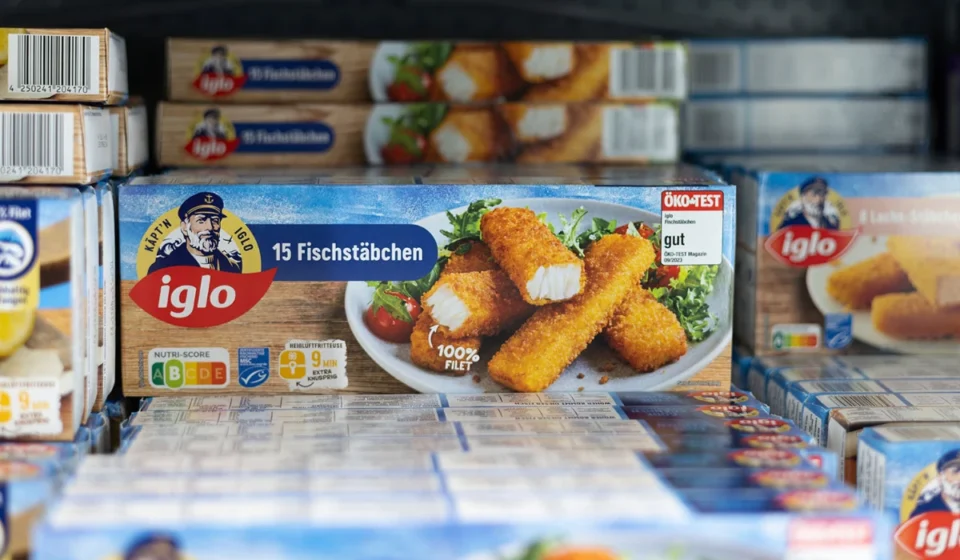
Nomad Foods owns a portfolio of established frozen food brands serving millions of customers throughout Europe. Its products cover categories including vegetables, seafood, poultry, prepared meals, and desserts.
As more consumers seek convenient meal solutions without sacrificing quality, manufacturers have continued investing in product innovation, packaging improvements, and broader distribution networks.
Debt Refinancing Can Improve Financial Flexibility
Refinancing debt is not unusual for multinational corporations. Companies regularly evaluate their financing arrangements to manage borrowing costs and extend repayment schedules.
For investors, refinancing can signal that management is actively positioning the business for future stability rather than waiting for existing obligations to mature under less favorable conditions.
If market conditions allow borrowing at competitive rates, replacing older debt with new financing may improve cash flow management while creating additional flexibility for strategic investments.
That flexibility becomes especially valuable in industries where supply chain improvements often require significant capital spending over several years.
Investor Confidence Will Be Closely Watched
The success of any senior notes offering depends on investor demand. Institutional investors typically assess several factors before participating, including company earnings, cash flow, debt levels, competitive position, and long term growth prospects.
Nomad Foods has built a strong presence across European frozen food markets through acquisitions, brand development, and operational expansion. Investors will likely examine how future supply chain investments could support revenue growth while protecting operating margins.
Credit markets have remained attentive to companies demonstrating disciplined financial management, particularly within consumer staples industries that generally experience steadier demand than more cyclical sectors.
Food Manufacturers Face a Changing Business Landscape
The European food industry continues adapting to multiple economic challenges. Inflation has affected ingredient prices, transportation expenses, packaging materials, and energy costs. Consumer purchasing decisions have also shifted as households balance value with quality.
Manufacturers increasingly rely on automation, advanced forecasting, and diversified supplier relationships to maintain efficiency. Investments in refrigerated infrastructure have become especially valuable because temperature controlled logistics require continuous monitoring throughout the distribution process.
Industry research published by the Organisation for Economic Co operation and Development frequently highlights how resilient infrastructure and efficient trade networks contribute to stronger long term food security and economic stability.
How International Expansion Fits Into Nomad Foods’ Strategy
Although Nomad Foods already operates across numerous European markets, expanding international supply capabilities can create additional opportunities for growth.
Greater sourcing flexibility may allow the company to respond more effectively when weather events affect harvests in one region or when transportation disruptions limit product movement. A broader network can also support product launches in new markets while strengthening relationships with retailers.
Consumers rarely see the complexity behind these operations. A frozen meal appearing consistently on a supermarket shelf often represents months of planning involving agricultural producers, processing facilities, shipping companies, cold storage operators, and retail partners working together across several countries.
What This Means for Consumers
Although financial transactions rarely make headlines outside investment circles, they often shape everyday shopping experiences. A stronger balance sheet may allow Nomad Foods to continue investing in manufacturing efficiency, product availability, and distribution reliability.
Potential benefits for consumers could include:
- More reliable product availability during periods of supply disruption.
- Continued investment in new frozen meal and food categories.
- Improved efficiency that may help manage production costs over time.
- Greater resilience across European distribution networks.
While no financing transaction guarantees lower prices or immediate expansion, improved financial flexibility often supports long term operational planning.
Looking Ahead
Nomad Foods’ planned €800 million senior notes offering reflects more than a refinancing exercise. It represents a broader effort to strengthen the company’s financial foundation while investing in the infrastructure required to serve millions of consumers across Europe.
As global food production, logistics, and consumer expectations continue to evolve, companies capable of balancing financial discipline with operational investment may be better positioned to navigate future challenges. For Nomad Foods, the latest capital raising initiative signals confidence that demand for frozen food will remain resilient and that modern supply chains will continue to play a decisive role in the industry’s next chapter.