

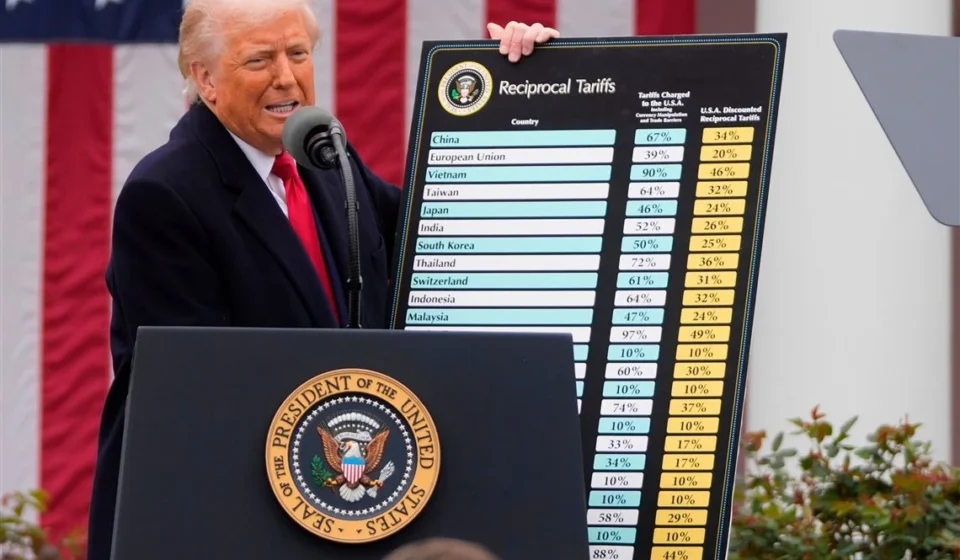

A coalition of twenty five United States states has launched a legal challenge against the federal government over a new round of global tariffs, setting the stage for one of the most closely watched trade disputes of the year. Filed in the United States Court of International Trade on August 4, 2026, the lawsuit seeks to block tariffs ranging from ten percent to twelve point five percent that state leaders argue could disrupt international supply chains, increase costs for families, and weaken economic stability. The case reaches far beyond legal arguments because its outcome may shape how future administrations use executive authority to influence global commerce.
States argue executive trade powers have reached a critical point
The lawsuit reflects growing concern among state governments that sweeping tariff measures can ripple through local economies without sufficient oversight. Attorneys representing the coalition contend that the executive branch exceeded its authority by imposing broad import duties that affect goods entering the country from multiple trading partners.
State officials maintain that tariffs of this scale do not remain confined to customs paperwork or shipping terminals. They believe higher import costs eventually appear in factory budgets, warehouse operations, transportation expenses, and consumer prices. Businesses that depend on imported materials often have limited flexibility, especially when contracts, production schedules, and supplier relationships have been built over many years.
The legal filing asks the Court of International Trade to halt implementation while judges examine whether the executive branch acted within the limits established by federal law. Information about the court and its role in resolving trade disputes is available through the United States Court of International Trade.
Why global tariffs matter beyond international trade
Tariffs are designed to make imported products more expensive. Supporters often argue that this approach encourages domestic manufacturing, protects strategic industries, and strengthens national economic security. Critics respond that additional import costs frequently pass through supply chains before reaching consumers and businesses.
The latest tariff package covers a broad range of imported goods. Manufacturers that rely on overseas components may face immediate increases in production costs. Retailers could experience higher wholesale prices, while construction companies, technology firms, healthcare providers, and agricultural businesses may encounter additional financial pressure depending on the products they purchase.
Many economists note that modern supply chains stretch across several countries before a finished product reaches American consumers. A single electronic device, industrial machine, or medical instrument may contain components produced in multiple regions. Even modest tariff increases can therefore influence pricing decisions throughout an entire production network.
Businesses face difficult choices as uncertainty grows
Corporate executives often prepare months in advance for changes in international trade policy. When tariffs change unexpectedly, companies may need to reconsider purchasing strategies, inventory management, and future investment plans.
Several industries could experience particular pressure if the tariffs remain in effect.
- Manufacturers may seek alternative suppliers or absorb higher production costs.
- Retail companies could reconsider pricing strategies before major shopping seasons.
- Export focused businesses may worry about possible responses from international trading partners.
- Small businesses with limited financial reserves may face greater difficulty adapting than larger corporations.
These concerns explain why many business organizations closely monitor trade litigation. Even companies that primarily operate within the United States often purchase equipment, raw materials, packaging, or technology from international suppliers.
Economic stability remains at the center of the legal dispute
The coalition of states argues that the tariffs create unnecessary uncertainty during a period when businesses continue adjusting to changing global markets. State leaders contend that stable trade rules encourage investment, hiring, and long term planning.
Economic uncertainty can influence decisions well beyond international shipping. Investors often reconsider expansion projects, manufacturers delay equipment purchases, and employers become more cautious when forecasting future demand. These responses may occur even before tariffs fully affect product prices.
Supporters of the federal action present a different perspective. They argue that tariffs provide leverage during trade negotiations, protect domestic industries from unfair competition, and encourage investment inside the United States. Previous administrations from both major political parties have used tariffs in various forms to pursue strategic economic goals.
The legal questions judges may examine
The Court of International Trade specializes in disputes involving customs laws, international commerce, and import regulations. Judges reviewing the case are expected to consider several important legal questions.
Scope of executive authority
The court will likely examine whether existing federal statutes authorize the executive branch to impose tariffs of this breadth under the circumstances presented.
Impact on states
Another issue involves whether the states have demonstrated sufficient legal standing by showing direct economic harm affecting public finances, government operations, or residents.
Potential remedies
If the court determines that the tariffs exceed legal authority, judges could temporarily suspend enforcement while litigation continues or issue broader rulings affecting future executive trade actions.
Global markets continue watching Washington closely
Financial markets often respond quickly when major trade policies become uncertain. Importers, exporters, shipping companies, and international investors monitor legal developments because trade rules influence commercial planning across multiple sectors.
Trading partners around the world also pay close attention to United States tariff decisions. Governments evaluating future trade negotiations frequently consider both the policy itself and the legal process surrounding its implementation. Any significant court ruling could influence future discussions involving market access, customs policy, and international economic cooperation.
Businesses seeking current trade information frequently monitor resources provided by the International Trade Administration, which offers guidance on export markets, trade regulations, and commercial opportunities.
Consumers could eventually feel the effects
While courtroom proceedings may appear distant from everyday life, tariff disputes often influence household budgets over time. Companies facing higher import expenses must decide whether to absorb those costs, negotiate with suppliers, improve operational efficiency, or increase prices.
The speed and scale of any consumer impact depend on several factors, including inventory already in warehouses, existing supplier contracts, competitive market conditions, and demand for specific products. Some businesses may avoid immediate price changes, while others could adjust prices more quickly if imported materials represent a significant portion of their operating expenses.
What happens next
The filing marks the beginning rather than the conclusion of what could become an extended legal process. Federal attorneys are expected to defend the tariff program, while the coalition of states will seek judicial intervention before the duties become firmly established.
Trade experts anticipate careful judicial review because the case touches on constitutional questions involving executive authority, congressional powers, and the balance between national trade policy and state economic interests. Appeals remain possible regardless of the initial outcome, meaning the dispute could continue through higher courts before reaching a final resolution.
For manufacturers, retailers, farmers, investors, and consumers, the lawsuit represents more than a disagreement over customs duties. It highlights the continuing debate over how the United States should balance economic security, competitive domestic industries, affordable consumer prices, and stable international trade relationships. The court’s eventual decision may shape not only current tariff policy but also the legal framework governing future trade actions for years to come.