

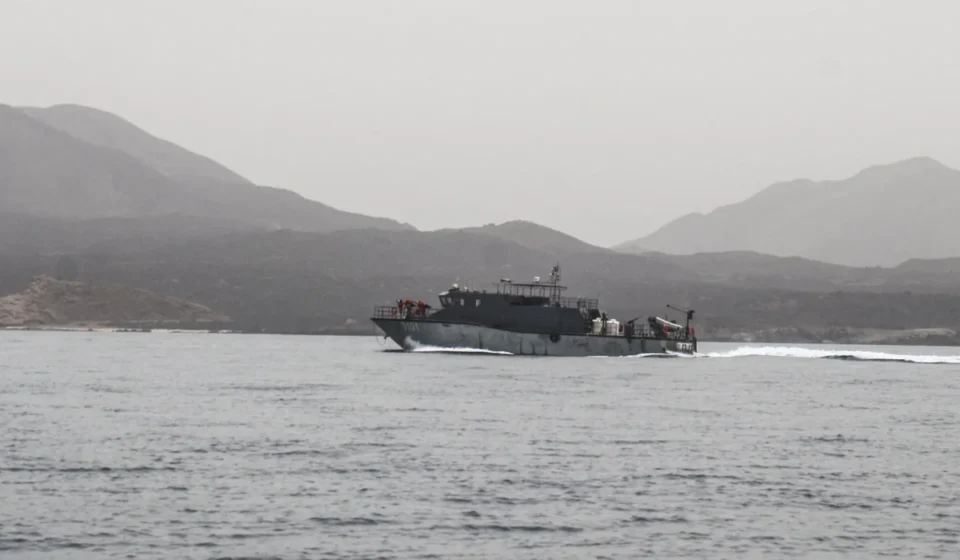

Commercial vessels crossing the Red Sea carry everything from medical supplies and food to electronics and industrial equipment that keep businesses and households running across continents. When uncertainty reaches these waters, the effects ripple through ports, airports, factories, and store shelves around the world. A newly announced multilateral maritime security coalition, unveiled on August 2, 2026, seeks to restore confidence by strengthening protection for commercial shipping throughout the Red Sea and Gulf trade corridors. The initiative also offers reassurance to international airlines, cruise operators, and freight companies that rely on stable regional logistics to keep passengers and cargo moving safely.
Why the Red Sea Matters to the Global Economy
The Red Sea serves as one of the world’s busiest maritime corridors, linking Europe, Asia, the Middle East, and parts of Africa through the Suez Canal. Every day, thousands of containers, energy shipments, agricultural goods, and manufactured products pass through these waters. Even brief disruptions can increase transportation costs, delay deliveries, and create uncertainty for businesses that depend on predictable supply chains.
The announcement of a coordinated maritime coalition reflects growing recognition that protecting commercial navigation is not simply a regional concern. Stable shipping lanes support international trade, help contain inflationary pressure tied to transportation costs, and provide greater certainty for importers and exporters planning future operations.
Readers seeking background on the strategic importance of the region can explore maritime trade information published by the International Maritime Organization, which promotes safe, secure, and environmentally responsible shipping worldwide.
A Coordinated Security Effort Across Multiple Nations
The coalition brings together diplomatic partners with a shared objective of protecting commercial vessels traveling through key sea lanes. While participating governments may contribute different capabilities, the collective approach centers on improving maritime awareness, coordinating naval patrols, sharing intelligence, and responding more efficiently to potential threats affecting civilian shipping.
Rather than focusing solely on military presence, the initiative reflects broader diplomatic cooperation. Maritime security increasingly depends on communication between governments, shipping companies, port authorities, and regional organizations. Faster information sharing can allow commercial operators to adjust routes, improve voyage planning, and reduce operational risks before incidents escalate.
Confidence Returns for Shipping Companies
For cargo carriers, confidence often proves as valuable as physical protection. Shipping companies make decisions weeks or months before vessels leave port. When uncertainty rises, operators may reroute ships, purchase additional insurance coverage, or delay departures, all of which increase costs that can eventually reach consumers.
The coalition seeks to reduce those concerns by presenting a more organized security framework. Greater predictability allows logistics firms to maintain schedules with fewer disruptions while helping manufacturers receive raw materials and retailers replenish inventory more consistently.
Industry analysts frequently note that resilient maritime networks support economic stability well beyond coastal regions. Inland manufacturers, wholesalers, farmers, and consumers all depend on reliable ocean transportation despite living far from international ports.
Airlines and Cruise Operators Also Stand to Benefit
The coalition announcement extends beyond cargo shipping. International airlines monitor regional security conditions carefully because geopolitical developments can influence flight planning, insurance considerations, and passenger confidence. Although aircraft operate in a different environment, broader regional stability often contributes to smoother international travel planning.
Cruise companies also watch developments closely. Travelers choosing itineraries through nearby waters seek confidence that operators can provide safe and dependable voyages. Clear communication between maritime authorities and commercial operators may strengthen traveler confidence while supporting tourism dependent economies throughout surrounding regions.
Freight Networks Depend on Reliable Sea Corridors
Modern logistics rarely rely on a single form of transportation. Containers arriving by sea often continue their journeys by rail, truck, or air freight. A delay in one maritime corridor can create scheduling complications across warehouses, distribution centers, and retail networks thousands of miles away.
Freight transit operators welcomed signals that governments are working together rather than responding independently. Coordinated planning can reduce duplicated efforts while allowing emergency resources to reach affected areas more quickly if incidents occur.
- Commercial shipping schedules become more predictable.
- Supply chain disruptions may become less frequent.
- Insurance markets could respond with greater stability over time.
- Importers and exporters gain additional confidence for long term planning.
Diplomacy Remains Central to Maritime Security
The announcement highlights the continuing role of diplomacy alongside security operations. Successful maritime protection depends not only on patrol vessels but also on agreements governing communication, coordination, legal cooperation, and crisis management.
International organizations have long encouraged collaborative approaches to maintaining safe navigation because shipping routes cross national boundaries and serve economies around the globe. Information about international maritime safety frameworks is available through the United Nations, whose agencies regularly support dialogue on regional security and international cooperation.
Economic Implications for Global Markets
Financial markets often react quickly to developments affecting major trade routes. Shipping disruptions can influence commodity prices, manufacturing costs, and delivery timelines. By signaling stronger cooperation among participating governments, the coalition may help reduce some uncertainty that businesses factor into pricing and investment decisions.
Manufacturers planning production schedules generally benefit when transportation routes remain dependable. Retailers preparing seasonal inventories likewise prefer stable shipping conditions that reduce the likelihood of costly delays. Consumers may never see the vessels crossing the Red Sea, yet many everyday products depend on efficient maritime commerce.
Challenges Still Remain
Creating a multinational security coalition marks an important diplomatic milestone, but sustained effectiveness will depend on continued coordination among participating nations. Maritime threats can evolve rapidly, requiring constant communication, updated intelligence, and flexible operational planning.
Commercial operators will likely continue monitoring developments closely while adjusting risk assessments as conditions change. Security initiatives also require long term political commitment, adequate resources, and cooperation across both public and private sectors.
What Comes Next for International Trade
The coalition arrives at a time when governments and businesses alike recognize the importance of resilient supply chains. Recent years have demonstrated how disruptions in one strategic corridor can produce consequences that extend across global commerce. Stronger maritime coordination may provide greater confidence for shipping companies while supporting airlines, cruise operators, freight carriers, manufacturers, and consumers connected through international trade.
Whether measured through smoother cargo movement, improved voyage planning, or renewed business confidence, the initiative reflects a shared understanding that protecting commercial navigation remains essential to economic stability. For companies moving goods across oceans and for families waiting on products arriving from distant markets, safer sea lanes represent far more than shipping statistics. They help keep the global economy connected through one of its most critical transportation corridors.