

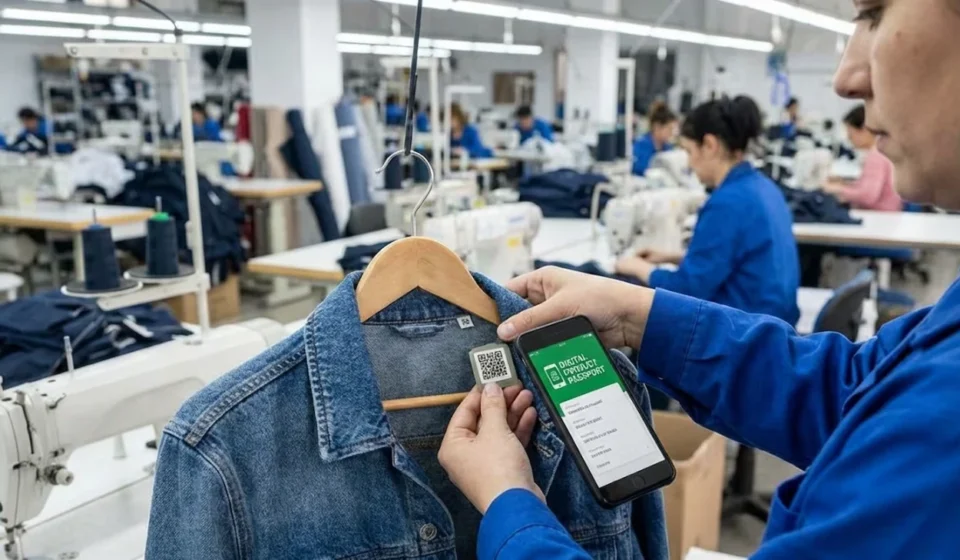

July 29, 2026 marked a significant moment for the global luxury fashion industry as leading international fashion collectives agreed to introduce blockchain backed supply chain verification across their sourcing networks. The initiative aims to certify that premium materials originate from ethical suppliers and that raw inputs are free from deforestation. The agreement reflects growing expectations from consumers, investors, environmental organizations, and regulators who increasingly want transparency behind every garment, handbag, shoe, and accessory sold under prestigious fashion labels.
We have watched sustainability evolve from a public relations promise into a business requirement. Luxury brands have spent years investing in responsible sourcing, but proving those commitments has often remained difficult. The adoption of blockchain verification seeks to replace uncertainty with digital records that document each stage of a product’s journey from raw material to finished item.
Luxury fashion responds to rising demand for transparency
Affluent shoppers are no longer purchasing products based solely on design, heritage, or exclusivity. Many now ask where leather originated, whether forests were protected during production, and if workers received fair treatment throughout manufacturing. These questions have encouraged luxury houses to strengthen oversight across complex international supply chains.
The newly announced framework introduces blockchain technology to create secure digital records that cannot easily be altered after information has been entered. Each approved supplier contributes verified production data that follows materials through harvesting, processing, manufacturing, transportation, and final retail distribution. The result is a digital chain of evidence that provides stronger confidence in sustainability claims.
Industry leaders believe this approach can reduce uncertainty while helping brands demonstrate compliance with environmental standards that continue to expand across major consumer markets.
Why blockchain is attracting attention across premium supply chains
Blockchain functions as a distributed digital ledger that records transactions across multiple participants. Instead of relying on isolated databases controlled by individual companies, authorized members share synchronized records that create greater accountability.
Within luxury fashion, this technology offers several practical advantages.
- Improved verification of raw material origins.
- Permanent documentation for sustainability audits.
- Greater confidence in supplier certifications.
- Reduced opportunities for counterfeit documentation.
- Simplified reporting for environmental compliance.
Organizations including the World Wildlife Fund have consistently highlighted the importance of protecting forests while promoting responsible sourcing practices across global industries. Digital verification systems may strengthen those conservation efforts by creating more reliable records throughout commercial supply chains.
Zero deforestation commitments gain practical support
Deforestation remains one of the most significant environmental concerns connected to agricultural expansion and natural resource extraction. Leather production, natural fibers, rubber, wood based textiles, and paper packaging all rely on ecosystems that require careful management.
The latest agreement places particular attention on zero deforestation inputs. Suppliers participating in the initiative will be expected to provide evidence that production did not contribute to illegal forest clearing or environmentally destructive land conversion.
This commitment arrives as governments continue introducing stricter rules governing imported products linked to forest loss. Companies that already maintain verified sourcing records may find themselves better prepared for future regulatory expectations while reducing business risk.
Ethical sourcing becomes central to luxury brand identity
Luxury fashion has traditionally relied on exceptional craftsmanship, premium materials, and timeless design. Ethical sourcing now joins that list as another defining characteristic of prestigious brands.
Consumers increasingly associate responsible business practices with lasting value. Many younger buyers, particularly those entering the luxury market for the first time, often research environmental performance before making expensive purchases. They expect companies to demonstrate measurable progress rather than broad sustainability statements.
Blockchain backed verification allows brands to support product stories with documented evidence instead of relying exclusively on supplier declarations. This level of accountability may strengthen customer confidence while protecting long established brand reputations.
Technology strengthens supplier relationships
Although public attention often focuses on fashion labels, suppliers play an equally important role in successful sustainability programs. Tanneries, textile mills, farms, processors, logistics providers, and manufacturers all contribute information that builds complete supply chain visibility.
Companies participating in the initiative are expected to collaborate more closely with suppliers by introducing standardized reporting methods, shared digital verification procedures, and independent auditing processes.
This collaborative approach may reduce administrative duplication while improving consistency across international production networks that frequently involve dozens of countries.
Combating counterfeit products with verified digital records
Counterfeit goods continue to challenge the luxury industry, costing brands billions in lost revenue while undermining consumer confidence. Although blockchain alone cannot eliminate counterfeit products, verified digital histories may make authentication significantly more reliable.
Products supported by secure sourcing records could provide retailers and consumers with stronger assurance regarding authenticity. Digital verification may also simplify resale markets where buyers increasingly seek trusted documentation before purchasing preowned luxury items.
The United Nations Environment Programme has frequently encouraged industries to improve environmental accountability through stronger reporting and responsible production practices. Digital traceability aligns with those broader sustainability objectives while supporting long term conservation goals.
Challenges remain despite industry agreement
The agreement represents meaningful progress, yet implementation across international supply chains will require considerable coordination. Many suppliers operate in regions with varying technological capabilities, regulatory requirements, and reporting standards.
Companies must also ensure that information entered into blockchain systems is accurate from the beginning. Digital records remain only as trustworthy as the verification procedures supporting each data entry. Independent auditing and regular inspections will continue serving as essential components of credible sustainability programs.
Another consideration involves balancing transparency with commercial confidentiality. Luxury brands often protect supplier relationships and production methods as valuable competitive assets. Successful implementation will require sharing sufficient information to build trust while preserving legitimate business confidentiality.
Consumers could benefit from greater confidence
For shoppers, digital traceability promises a clearer picture of how luxury products reach store shelves. Instead of relying solely on marketing campaigns, consumers may eventually access verified sourcing histories that explain where important materials originated and how environmental commitments were maintained throughout production.
Such visibility could strengthen purchasing confidence while encouraging more informed buying decisions. As sustainability becomes increasingly connected with product quality, verified sourcing information may become as valuable as traditional indicators such as craftsmanship and design excellence.
A wider shift across global manufacturing
The luxury sector often serves as an early adopter of manufacturing innovations before broader consumer industries follow similar paths. If blockchain backed verification demonstrates measurable success, comparable systems could expand across apparel, footwear, cosmetics, furniture, jewelry, and other sectors that rely on internationally sourced natural materials.
Financial institutions, insurers, investors, and regulators also stand to benefit from standardized verification frameworks that simplify environmental reporting while improving confidence in corporate sustainability claims.
Looking ahead
The July 29, 2026 agreement represents more than a technological upgrade. It reflects changing expectations about accountability within one of the world’s most influential consumer industries. Luxury fashion continues to redefine prestige by combining exceptional craftsmanship with documented environmental responsibility and ethical sourcing.
We believe the true measure of success will not depend solely on blockchain technology itself but on the willingness of brands, suppliers, auditors, and policymakers to maintain rigorous standards over time. Transparent verification, responsible forest protection, and ethical production have become central expectations rather than optional commitments. As implementation advances across global supply chains, consumers may soon purchase luxury goods with greater confidence that beauty, quality, and environmental stewardship can exist together within the same product.