

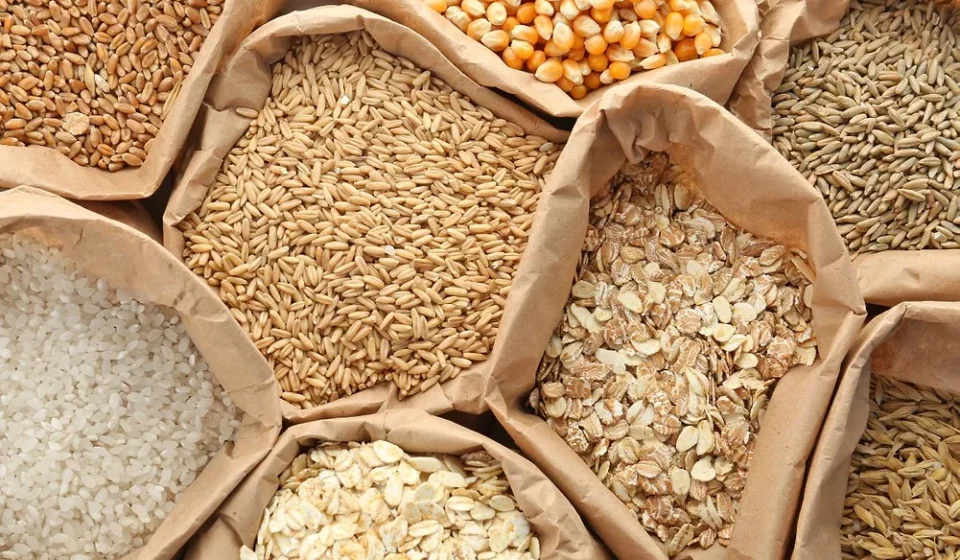

Global agricultural leaders gathered in Geneva on July 21, 2026, to approve a landmark Grain Security Accord that seeks to reduce price shocks, strengthen food supply chains, and improve cooperation during climate related disruptions. We see this agreement as a significant moment for countries that depend on reliable grain imports and exports, especially after several years marked by drought, flooding, shipping delays, and rising food costs. The new framework reflects a shared recognition that food security is no longer only an agricultural concern. It is also an economic, environmental, and humanitarian priority.
Why the Geneva Agreement Matters
The newly signed accord focuses on creating a more predictable global grain trade by encouraging participating nations to coordinate export policies, improve market transparency, and invest in stronger transportation networks. Wheat, corn, rice, barley, and other staple grains support billions of people every day, making stable supplies essential for households, businesses, and governments alike.
We have watched food markets experience repeated disruptions over recent years. Extreme weather events reduced harvests across several continents while transportation bottlenecks slowed deliveries. At the same time, sudden export restrictions created uncertainty that pushed prices even higher. The Geneva accord aims to reduce these risks by encouraging governments to communicate more openly before introducing major trade measures.
Climate Challenges Continue to Shape Global Agriculture
Climate conditions remain one of the greatest threats to grain production. Farmers across many regions have experienced prolonged drought, unexpected flooding, stronger storms, and shifting growing seasons. These changes affect planting schedules, crop yields, storage facilities, and transportation infrastructure.
The agreement encourages participating countries to invest in agricultural resilience through better irrigation systems, improved seed varieties, stronger storage capacity, and more reliable logistics networks. Such investments could help reduce the impact of weather related disruptions before they develop into broader food supply crises.
Scientific organizations continue to document how changing climate patterns influence food production across the globe. Research published by the Food and Agriculture Organization of the United Nations highlights the growing need for resilient farming systems that can withstand environmental stress while maintaining stable food supplies.
Key Measures Included in the Grain Security Accord
The agreement introduces several practical measures intended to support more stable international grain markets. While implementation will vary among participating countries, the shared objectives include greater cooperation and faster information sharing.
- Earlier notification before significant export restrictions are introduced.
- Improved sharing of crop forecasts and production estimates.
- Joint investment in storage facilities and transportation corridors.
- Stronger emergency coordination during severe climate events.
- Support for resilient agricultural practices and sustainable production.
These commitments seek to reduce uncertainty that often causes sudden spikes in global grain prices. More reliable information can also help import dependent nations plan purchases with greater confidence.
Benefits for Farmers
Farmers stand at the center of the global food system, and many have faced extraordinary pressure from unpredictable weather and volatile commodity prices. More consistent trade policies may allow producers to make planting decisions with greater certainty while expanding access to international markets.
Stable demand can encourage investment in modern farming equipment, improved irrigation, and better storage technologies. Smaller producers may also benefit if governments strengthen agricultural support programs linked to the broader goals of the Geneva agreement.
Many growers have repeatedly demonstrated remarkable resilience despite difficult conditions. Their experience shows that cooperation between governments, researchers, financial institutions, and farming communities remains essential for long term food security.
What Consumers Could Experience
Consumers often feel the effects of grain market instability through higher grocery bills. Bread, pasta, breakfast cereals, livestock feed, cooking oils, and numerous processed foods depend directly or indirectly on grain supplies.
If participating countries successfully implement the accord, households could experience fewer dramatic swings in food prices over time. While the agreement cannot eliminate every market shock, stronger coordination may reduce the frequency and severity of sudden price increases caused by supply disruptions.
Food affordability remains especially important for lower income families, where groceries account for a larger share of monthly spending. Even modest improvements in market stability can provide meaningful financial relief.
Global Trade Cooperation Takes Center Stage
The Geneva meeting highlighted a growing consensus that international cooperation offers greater protection than isolated policy decisions. Grain markets are deeply interconnected, with harvest conditions in one region often influencing prices thousands of miles away.
The accord encourages governments to maintain open communication during periods of stress rather than acting independently without warning. Such coordination may help prevent panic buying, unnecessary export restrictions, and rapid market speculation that can worsen already difficult conditions.
Trade experts have long argued that transparency improves confidence throughout agricultural markets. Timely information allows businesses, shipping companies, processors, and retailers to prepare more effectively for changing supply conditions.
Supply Chain Resilience Becomes a Global Priority
The pandemic years, geopolitical tensions, and climate related disruptions exposed vulnerabilities across global supply chains. Agricultural products often travel through multiple countries before reaching consumers, making transportation efficiency a vital part of food security.
The agreement encourages investment in ports, rail systems, inland transportation, storage facilities, and digital monitoring tools that can identify disruptions earlier. More resilient logistics networks may reduce delays that contribute to waste and higher costs.
The World Bank has consistently highlighted the economic importance of resilient infrastructure in supporting agricultural development, trade efficiency, and long term food security across developing and developed economies alike.
Implementation Will Determine Long Term Success
Signing an international agreement represents only the beginning of a much longer process. Governments must translate shared commitments into national policies, funding decisions, and practical cooperation. Monitoring progress will require continued dialogue among agricultural ministries, trade officials, scientific experts, and private sector partners.
Some countries may face financial or logistical challenges while upgrading infrastructure or expanding climate resilience programs. Others may need legislative changes before adopting new trade procedures. Continued international support could play an important role in helping lower income nations participate fully in the agreement.
The Bigger Picture for Global Food Security
The Grain Security Accord arrives during a period when food systems face pressure from population growth, environmental change, resource constraints, and shifting trade patterns. No single agreement can solve every challenge affecting global agriculture, yet coordinated action offers a stronger foundation for future progress.
We believe this initiative signals an encouraging willingness among governments to recognize that food security depends upon cooperation as much as production. Grain remains one of the world’s most essential resources, connecting farmers, exporters, manufacturers, retailers, and families across every continent.
Success will ultimately depend on consistent implementation, transparent communication, and continued investment in resilient agriculture. If participating nations fulfill the commitments announced in Geneva, the agreement could help create more dependable grain markets, reduce unnecessary price volatility, and strengthen confidence throughout the global food system for years to come.