

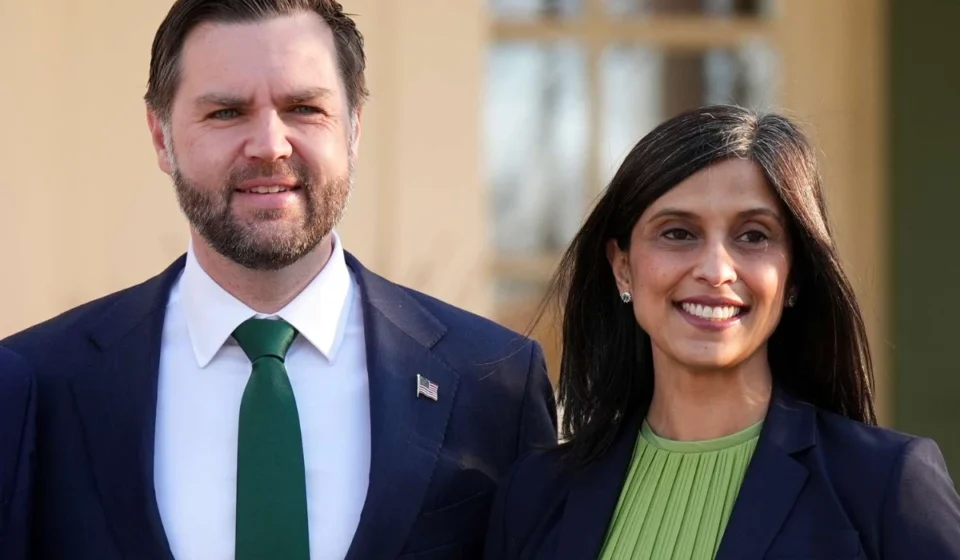

Joy reached the home of United States Vice President JD Vance and Second Lady Usha Vance on July 20, 2026, as the couple announced the birth of their baby boy. The arrival of their son is more than a deeply personal family celebration. Historians note that it marks the first time in more than 150 years that a sitting United States Vice President has welcomed a child while serving in office, placing the newest member of the Vance family in a remarkable chapter of American political history.
The announcement quickly drew warm messages from political leaders, supporters, and members of the public who set aside partisan differences to celebrate the birth of a child. For many Americans, the news offered a welcome moment of optimism, reminding the nation that even those holding the country’s highest offices continue to experience the same milestones, hopes, and responsibilities shared by millions of families.
A Family Celebration in the National Spotlight
JD Vance and Usha Vance have largely balanced their public responsibilities with a measured approach to family life. Throughout the Vice President’s political career, the couple has spoken about the importance of family, education, and maintaining a sense of normalcy despite the intense attention that accompanies public service.
The birth of their son immediately became a national headline because it combines a personal milestone with a rare historical event. While presidents have welcomed children during their time in office, such moments have been exceptionally uncommon for vice presidents. Historians believe no sitting vice president has experienced the birth of a child since the nineteenth century, making this event unique in modern American politics.
The White House and the Office of the Vice President are expected to continue normal government operations while allowing the family private time to celebrate their newest arrival.
Why This Birth Is Historically Significant
The office of the Vice President has evolved considerably since the founding of the United States. Modern vice presidents often maintain demanding domestic and international schedules that include diplomatic missions, congressional engagement, national security briefings, and public appearances across the country.
Against that backdrop, welcoming a newborn while serving in office is especially notable. Political historians frequently document presidential families because they offer a glimpse into the human side of government leadership. The Vance family’s newest addition now joins that historical narrative.
The rarity of this event reflects changing demographics as well. Many recent vice presidents entered office later in life after decades of public service. JD Vance, who assumed office at a younger age than many of his predecessors, represents a generation of national leaders raising young children while carrying major governmental responsibilities.
Balancing Parenthood and Public Service
The arrival of a baby often reshapes daily routines for any household. Sleep schedules change, family priorities shift, and parents learn to balance professional commitments with the needs of a growing child. Those realities remain true even inside one of the country’s most closely watched political families.
Public officials increasingly discuss the realities of parenting while holding demanding leadership roles. That conversation has gained momentum in recent years as younger elected officials across federal and state governments have spoken openly about childcare, family schedules, and maintaining meaningful time with loved ones.
For JD and Usha Vance, the birth of their son arrives during an especially busy period for the administration, highlighting the universal experience of welcoming a new family member regardless of career or public profile.
Who Are JD and Usha Vance?
Vice President JD Vance first gained national attention through his memoir, Hillbilly Elegy, which examined economic hardship, family dynamics, and opportunity in Appalachian communities. His political career later led him to the United States Senate before his election as Vice President.
Usha Vance, an accomplished attorney, has earned respect for her academic achievements and professional career. Since becoming Second Lady, she has appeared alongside her husband at official events while also pursuing initiatives focused on education, families, and civic engagement.
The couple has often projected a partnership built on shared values, intellectual curiosity, and commitment to their children. The birth of their newest son adds another chapter to that story.
Public Reaction Across the Country
Social media platforms filled with congratulatory messages shortly after the announcement. Citizens from across the political spectrum expressed happiness for the family, while lawmakers from both major parties extended their best wishes.
Such moments often create rare opportunities for unity in a deeply divided political climate. Birth announcements, weddings, and other family milestones involving public officials frequently remind Americans that elected leaders experience many of the same personal moments as the people they represent.
Parents shared stories about welcoming newborns, discussing sleepless nights, first smiles, and the excitement of introducing a new child to siblings and extended family. Those personal reflections became part of the broader public conversation surrounding the announcement.
The Modern Role of Political Families
Families have long shaped public perceptions of American political leaders. While voters primarily evaluate officials based on policies and leadership, spouses and children often become familiar faces during campaigns and official events.
Modern political families also navigate unprecedented public attention. News travels instantly through digital platforms, while photographs and public appearances reach audiences around the world within minutes.
Many public officials therefore seek a careful balance between transparency and privacy, particularly when children are involved. The Vance family has generally maintained that approach, sharing selected moments while protecting the everyday experiences of their children from unnecessary public exposure.
Historical Context of Families in the Executive Branch
The White House and the Vice President’s residence have welcomed children, grandchildren, and extended family members throughout American history. These family moments often become memorable snapshots that humanize national leadership.
Presidential historians frequently observe that children living near the center of government bring an element of ordinary family life into extraordinary surroundings. School activities, birthday celebrations, and holiday traditions continue despite the unique responsibilities attached to national office.
The Vance family’s newest arrival adds another story to that continuing history, reflecting both the traditions of American democracy and the changing profile of national leaders.
Readers interested in the constitutional responsibilities of the Vice President can explore the official resources available through the White House. Additional historical information about vice presidents and executive leadership is available from the National Archives.
Looking Ahead for the Vance Family
While public interest surrounding the birth remains high, attention will eventually return to the Vice President’s official duties. Domestic policy discussions, international diplomacy, and legislative priorities will continue to shape the national agenda.
At home, however, life will likely revolve around a much smaller schedule filled with feeding times, pediatric appointments, family photographs, and the countless quiet moments that define the first weeks of a newborn’s life.
For parents across America, those experiences are instantly recognizable. Whether a family lives in a small town, a busy city, or the Vice President’s residence in Washington, the arrival of a child brings similar emotions of gratitude, hope, and anticipation for the future.
A Rare Moment That Extends Beyond Politics
The birth of JD and Usha Vance’s baby boy stands as both a personal celebration and an uncommon historical milestone. More than 150 years have passed since a sitting United States Vice President last welcomed a child into the family while serving in office, making this announcement one that historians are likely to remember for years to come.
Beyond its historical significance, the event resonates because it highlights something universal. Newborn children represent possibility, fresh beginnings, and the enduring importance of family. In a political environment often defined by disagreement and constant debate, the arrival of a new life offered Americans a shared reason to celebrate and reflect on the values that connect people across every community.