

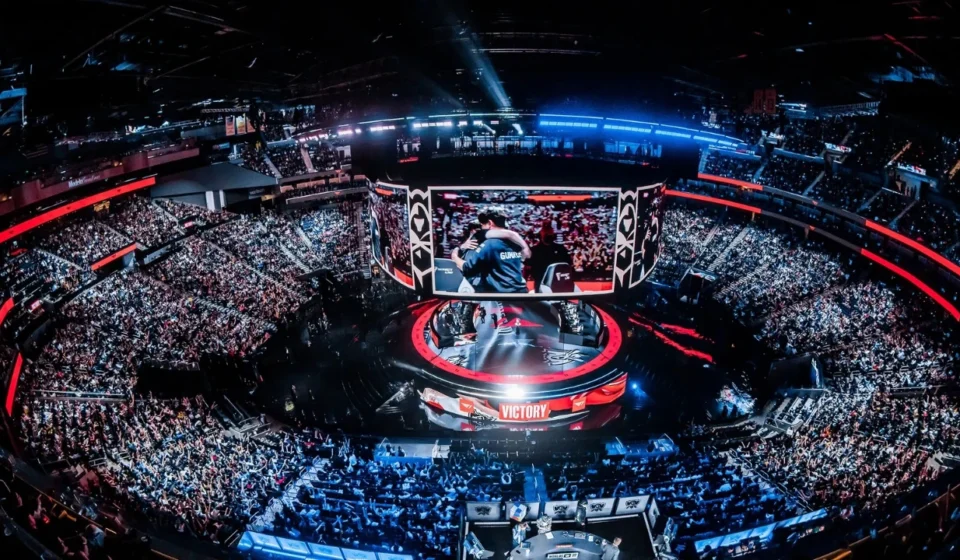

The race to represent national pride in competitive gaming is entering a new chapter. On July 20, 2026, leading gaming publishers and major esports organizations confirmed plans to expand country versus country qualification pathways ahead of upcoming international championships. The move signals a stronger commitment to global participation while bringing more players, fans, and national federations into one of the fastest growing competitive entertainment sectors.
We have watched esports evolve from community driven tournaments into packed arenas, multimillion dollar competitions, and internationally recognized sporting events. This latest expansion reflects another meaningful step. Rather than focusing only on elite club organizations, the updated qualification structure places greater attention on national representation, giving players from more countries a realistic opportunity to compete on one of the biggest stages in competitive gaming.
A wider path for national teams
The expanded qualification system is expected to include additional regional competitions, more participating nations, and revised country selection formats. While the exact structure may vary between individual game titles, the overall objective remains consistent. More national teams will have a chance to earn places through structured qualifying events instead of relying on limited invitations.
This approach mirrors many aspects of traditional international sports competitions. Players compete not only for personal success or organizational achievements but also for the opportunity to wear their national colors. That emotional connection often creates unforgettable moments for competitors and supporters alike.
For many emerging esports regions, the announcement offers renewed optimism. Countries that previously struggled to gain international exposure may now receive more competitive opportunities through regional qualifying tournaments that reward consistent performance.
Gaming publishers strengthen international cooperation
The announcement also highlights growing cooperation between game developers, publishers, tournament organizers, and national esports bodies. Historically, each publisher managed its competitive ecosystem independently. Recent years have shown increased willingness to coordinate with international organizations in ways that create more unified championship structures.
This collaboration can simplify tournament scheduling, improve competitive integrity, and reduce confusion for players who participate across multiple events. Shared standards may also help national federations prepare athletes more effectively throughout the competitive season.
Industry observers have frequently pointed to better coordination as one of the next major milestones for esports. National qualification systems become far more effective when tournament calendars, competitive rules, and player eligibility requirements align across participating organizations.
Growing interest in Olympic inspired competition
The concept of international esports competition has attracted increasing attention over the past several years. Fans often compare these events with established global sporting competitions because athletes compete under their national flags instead of representing commercial organizations.
Although esports remains distinct from traditional Olympic competition, many tournament organizers continue exploring formats that celebrate international participation, sportsmanship, and cultural exchange.
The broader conversation surrounding esports and global sporting institutions has also gained momentum. Organizations such as the Olympic Games official platform have continued examining competitive gaming through various initiatives that encourage dialogue between sporting authorities and the gaming industry.
What the expanded qualifiers could mean for players
For professional competitors, broader qualification opportunities create both excitement and new challenges. Players who narrowly missed previous international events may now receive another route through regional competitions. Rising stars who perform well in domestic leagues could also earn opportunities to represent their countries much earlier in their careers.
National team selection often requires more than individual mechanical skill. Successful squads must develop communication, strategic planning, leadership, and the ability to perform under intense pressure. Extended qualification periods provide additional time for teams to build chemistry before reaching the international stage.
The revised system may also encourage countries to invest more heavily in coaching staffs, performance analysts, sports psychologists, and training facilities. As national expectations rise, preparation increasingly resembles that seen in traditional competitive sports.
Potential benefits for developing esports nations
- Greater access to official international qualification events.
- More opportunities for young talent to gain international experience.
- Improved visibility for local leagues and grassroots tournaments.
- Stronger incentives for governments and private organizations to support esports development.
Fans stand to gain from broader international competition
Country based competition often creates compelling storylines that extend beyond individual players. Long standing regional rivalries, passionate fan communities, and national pride combine to produce memorable moments that resonate across social media and live broadcasts.
Supporters also enjoy watching unfamiliar teams challenge established powers. Upsets frequently become defining moments because they demonstrate how quickly competitive gaming continues to develop around the world.
Expanded participation means audiences can follow more regional storylines throughout qualification, rather than focusing only on the final championship. This longer competitive journey helps build stronger emotional connections between fans and national teams.
Economic opportunities continue to grow
The business side of esports also benefits from larger international tournaments. More participating nations often attract additional sponsorship interest, increased broadcast audiences, tourism opportunities, and greater investment in local competitive infrastructure.
Cities hosting qualification events may experience increased visitor spending while regional tournament organizers gain valuable experience managing larger competitions. Publishers likewise benefit from stronger player engagement as communities follow national teams throughout the qualification process.
Research from organizations including Newzoo has consistently shown that esports audiences continue expanding across multiple regions, creating attractive opportunities for broadcasters, advertisers, and technology partners.
Competitive integrity remains a central priority
As qualification pathways expand, organizers face the responsibility of maintaining consistent competitive standards across every participating region. Fair rules, transparent eligibility requirements, reliable officiating, and effective anti cheating measures remain essential for preserving trust in international competition.
Many organizations have invested heavily in referee training, match review procedures, secure tournament environments, and player verification systems. These efforts become even more important when qualification events involve dozens of countries with varying levels of competitive experience.
Players also benefit from clearly defined regulations governing roster eligibility, residency requirements, scheduling, and disciplinary procedures. Transparent administration reduces uncertainty and helps teams prepare with greater confidence.
The next phase of global esports
The expanded country versus country qualification format reflects the remarkable progress esports has achieved over the past two decades. Competitive gaming has grown from small local gatherings into an international ecosystem supported by publishers, professional organizations, broadcasters, sponsors, and passionate communities spread across every continent.
We believe this development represents more than a tournament update. It demonstrates increasing confidence that international competition can serve as a unifying force within gaming while creating meaningful opportunities for players from established and emerging regions alike.
Success will ultimately depend on careful organization, fair competition, and continued cooperation between publishers and esports governing bodies. If those elements remain in place, the expanded qualification system could produce some of the most diverse and exciting international championships the esports community has seen.
For competitors chasing a place on the world stage, the message is clear. The road may still be demanding, but it is becoming accessible to more players and more nations than ever before. That broader opportunity may prove to be one of the defining moments in the continuing rise of global esports.