

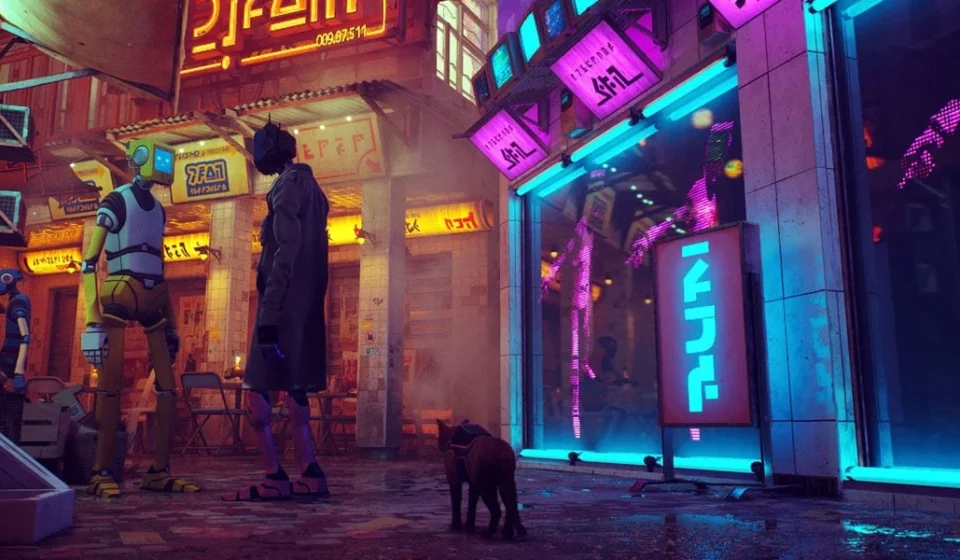

July 20, 2026 marks a turning point for the video game industry as several of the world’s largest game studios announced a coordinated move toward real time artificial intelligence asset generation inside next generation gaming engines. The decision reflects growing pressure to deliver bigger, richer, and more visually advanced games across consoles, personal computers, cloud gaming services, and mobile devices without stretching development schedules for years. For developers, artists, and players alike, this shift promises faster production while raising new questions about creativity, quality, and the future role of human talent.
Why major studios are changing course together
Modern game development has become one of the most demanding forms of digital production. A blockbuster release can require thousands of artists, programmers, writers, designers, animators, sound engineers, and quality assurance specialists working across multiple continents. Building realistic environments, detailed characters, cinematic animations, and localized content often takes several years before a title reaches store shelves.
The newly announced AI production pipelines aim to compress that timeline by generating art assets, environmental details, animation variations, dialogue placeholders, textures, and other production elements while development is actively taking place. Instead of waiting days or weeks for completed assets, teams can review AI generated versions within minutes, allowing artists to refine rather than create every component from scratch.
This synchronized adoption also reflects competitive pressure. Players now expect frequent updates, seasonal content, cross platform compatibility, and visually stunning worlds that continue expanding long after launch. Meeting those expectations through traditional workflows alone has become increasingly difficult.
Real time AI generation changes the production pipeline
Unlike earlier AI tools that worked as separate applications, the latest systems are being integrated directly into popular game engines used throughout the industry. Designers can build landscapes while AI proposes vegetation, weather effects, lighting adjustments, and architectural details almost instantly. Character artists can generate multiple costume concepts within a single creative session before selecting and refining the strongest ideas.
Developers say the greatest advantage is not replacing creative professionals but reducing repetitive production work that often consumes valuable development time.
Several improvements are expected across production teams.
- Faster environment creation for expansive open world games.
- Automatic generation of texture variations and background assets.
- More efficient testing across multiple gaming platforms.
- Rapid localization support for global audiences.
- Quicker prototyping during early game design.
These capabilities allow studios to experiment with new ideas without committing months of resources before determining whether a concept succeeds.
Artists remain at the center of development
Despite growing automation, industry leaders continue to describe human creativity as the foundation of successful game production. AI systems generate possibilities, but experienced artists decide which visual style matches the game’s identity. Narrative designers still build emotional stories. Creative directors continue shaping every major artistic decision.
Many professionals compare the technology to advanced digital painting software or sophisticated animation tools. Those applications accelerated production without removing the need for talented creators. The same principle appears to guide the newest AI assisted workflows.
Developers also point out that originality depends on human judgment. A fantasy kingdom, a science fiction city, or an emotional character journey gains meaning through artistic vision rather than automated generation alone.
Multi platform releases demand greater efficiency
Launching simultaneously across several gaming platforms has become standard practice for major publishers. Games must now perform consistently on premium gaming computers, multiple console generations, handheld systems, streaming services, and increasingly powerful smartphones.
Every platform presents different hardware capabilities, screen sizes, memory limitations, and performance targets. Preparing optimized assets for each device traditionally requires extensive manual work.
AI powered production systems can automatically recommend optimized versions of textures, lighting effects, object density, and environmental complexity while preserving the intended artistic appearance. This allows engineering teams to spend more time improving gameplay performance instead of repeatedly rebuilding visual assets.
Independent studios could benefit alongside industry giants
Large publishers have invested heavily in research and development for years, but smaller developers may ultimately experience some of the greatest benefits from AI integrated engines. Independent studios often operate with limited budgets and compact creative teams.
A handful of developers can now build expansive environments that previously demanded hundreds of artists. Faster production cycles may encourage more experimentation, allowing original ideas to compete against larger franchises.
Industry observers believe this could produce a broader variety of games rather than concentrating success among only the largest publishers.
Questions surrounding intellectual property continue
The rapid expansion of AI assisted production also brings legal and ethical considerations. Developers, publishers, technology companies, and creators continue debating how training data should be collected, licensed, and credited.
Studios adopting these systems are increasingly investing in commercially licensed datasets, internally produced reference libraries, and transparent content management practices designed to reduce legal uncertainty.
Organizations monitoring technology policy continue examining these issues through evolving guidance and research. Readers interested in broader artificial intelligence governance can explore ongoing initiatives from the National Institute of Standards and Technology AI Risk Management Framework, which outlines approaches for responsible AI development.
Players may notice the results long before they notice the technology
Most players care less about production pipelines than about the games appearing on their screens. If AI integration succeeds, consumers are likely to experience richer environments, larger worlds, faster content updates, improved character variety, and shorter waits between major releases.
Imagine entering a dense forest where every path feels slightly different, every village contains subtle architectural variations, and seasonal updates introduce fresh landscapes within weeks rather than months. Those experiences become increasingly practical when repetitive asset production can be automated while artists focus on storytelling and visual direction.
Players may also benefit from more responsive game worlds where characters react dynamically to changing situations instead of relying entirely on scripted interactions prepared months before release.
Education and workforce skills are evolving
The growing presence of AI inside development engines is influencing universities, technical institutes, and professional training programs. Future artists are learning prompt design, procedural generation, data management, and AI supervision alongside traditional drawing, modeling, animation, and storytelling.
Studios increasingly seek professionals who understand both creative disciplines and technical systems. Rather than replacing existing skills, employers appear to value candidates capable of combining artistic judgment with emerging production technologies.
Experienced developers also face opportunities to expand their expertise as companies introduce new workflows throughout production departments.
Gaming engines become broader creative ecosystems
The latest generation of gaming engines is evolving beyond graphics rendering into comprehensive production environments where programming, animation, visual effects, physics simulation, sound design, and artificial intelligence work together in a single workspace.
Engine developers have steadily expanded these capabilities through continuous research. Resources available through Epic Games Developer Documentation illustrate how modern engines increasingly combine advanced rendering, procedural systems, and machine learning tools to support complex interactive experiences.
This convergence allows development teams to collaborate more efficiently while reducing delays created by moving assets between separate software packages.
Economic pressure continues driving innovation
Budgets for major video games have climbed dramatically during the past decade. Extended production schedules increase financial risk while raising expectations for commercial success. Publishers are therefore searching for practical ways to shorten development without sacrificing quality.
Real time AI generation offers one possible answer. Shorter production timelines can lower operating costs, accelerate revenue opportunities, and give studios greater flexibility to respond to changing player preferences.
Analysts caution that successful implementation will depend on careful planning, investment in employee training, and thoughtful oversight rather than automation alone.
The next chapter for interactive entertainment
The synchronized commitment by leading game studios signals that artificial intelligence has moved beyond experimental demonstrations into core production infrastructure. While the technology will continue evolving, its immediate value appears rooted in supporting artists instead of replacing them, reducing repetitive work while expanding creative possibilities.
For players, the coming years could bring more ambitious worlds, more frequent updates, and faster access to new adventures across every major gaming platform. For developers, the challenge will be preserving originality, artistic identity, and player trust while embracing tools capable of reshaping one of the world’s most creative industries. The engines powering tomorrow’s games are no longer simply rendering virtual worlds. They are becoming active partners in building them.