

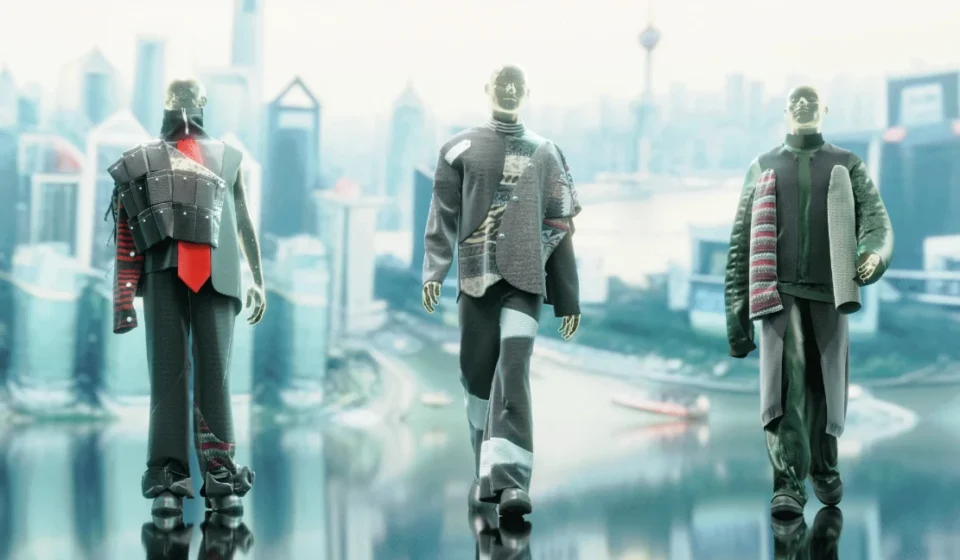

Fashion education is entering a defining chapter. Leading design institutes across the world are reshaping postgraduate programs to make 3D computer aided design, artificial intelligence visualization, and sustainable textile technology essential parts of every student’s training. The shift reflects a profession that now expects graduates to move comfortably between creativity, digital production, environmental responsibility, and advanced manufacturing. For aspiring designers, the classroom is beginning to resemble the modern fashion studio, where physical sketches increasingly share space with immersive digital prototypes and intelligent design tools.
The curriculum changes announced on July 28, 2026, signal more than a technology update. They represent a broader response to changing consumer expectations, supply chain pressures, and employer demand for professionals who can reduce waste while accelerating product development. Fashion houses, sportswear companies, luxury labels, and independent brands are all searching for designers who can blend artistic vision with technical expertise.
Why fashion education is changing at a rapid pace
Fashion has always evolved alongside new materials and production methods. Digital technology has now become one of the strongest forces shaping the industry. Designers who once relied exclusively on paper sketches and physical samples increasingly create realistic garments inside sophisticated digital environments before producing a single fabric prototype.
This approach saves both time and resources. A garment can be visualized from multiple angles, tested with different fabrics, adjusted for fit, and presented to buyers without requiring repeated rounds of physical sampling. That efficiency has become especially valuable as brands seek faster product development while reducing unnecessary material waste.
Educational institutions are responding by ensuring graduates already possess these workplace skills before entering professional roles. Rather than treating digital tools as optional electives, many postgraduate programs now position them alongside traditional pattern making, garment construction, fashion history, and textile science.
Artificial intelligence becomes a creative partner instead of a replacement
Many educators are careful to describe artificial intelligence as an assistant rather than a substitute for human imagination. Students still learn color theory, silhouette development, cultural research, and storytelling. AI systems simply help speed up early experimentation by generating visual concepts, analyzing trends, suggesting variations, and producing presentation quality imagery.
The educational focus increasingly centers on responsible use. Students are expected to understand where inspiration comes from, how intellectual property should be respected, and how technology can support originality rather than imitate existing work.
Fashion graduates entering the workforce will likely be evaluated on their ability to combine creative judgment with digital efficiency. Employers continue to value designers who think independently while using technology to improve workflow and communication.
Three dimensional design changes the entire development process
Three dimensional digital rendering has moved beyond simple visualization. Modern software allows garments to behave like real clothing by simulating fabric weight, movement, stretch, and drape. Designers can observe how materials react before production begins, allowing technical issues to be identified much earlier.
This capability benefits multiple departments across a fashion business. Designers communicate ideas more clearly. Pattern makers receive accurate technical references. Marketing teams gain realistic imagery for early campaigns. Buyers review collections before manufacturing begins.
Students graduating with these capabilities may find themselves better prepared for collaborative environments where design, production, merchandising, and sustainability teams work together throughout product development.
Sustainability is becoming inseparable from design education
The curriculum revisions also reflect growing concern about environmental responsibility throughout the fashion industry. Textile waste, water consumption, and carbon emissions remain significant challenges for manufacturers worldwide.
Many updated postgraduate programs now combine creative education with scientific knowledge about sustainable materials, recycling systems, circular production models, and responsible sourcing. Students are encouraged to think about a garment from its earliest concept through manufacturing, customer use, repair, and eventual recycling.
Digital sampling itself supports these sustainability goals. Every virtual prototype that replaces a physical sample may reduce fabric consumption, shipping requirements, and production waste. Organizations such as the United Nations Environment Programme continue to promote more sustainable production across industries, including fashion.
New classroom experiences mirror professional fashion studios
The atmosphere inside many fashion classrooms is changing. Traditional sewing machines and dress forms remain essential, but they increasingly sit alongside powerful workstations, virtual visualization software, digital fabric libraries, and collaborative design platforms.
Students may begin a project by researching historical influences before generating multiple visual concepts with AI assistance. They then refine selected ideas through three dimensional modeling, evaluate sustainable material options, produce technical specifications, and finally construct physical garments based on digitally validated designs.
This integrated approach helps bridge the long standing gap between academic learning and professional practice. Graduates become familiar with workflows already common inside global fashion companies.
Industry demand continues to influence university priorities
Fashion employers increasingly seek professionals who can contribute immediately without lengthy software training after hiring. Digital literacy has become a practical business requirement rather than a specialized advantage.
Recruiters frequently look for experience in several key areas.
- Three dimensional garment visualization
- Artificial intelligence supported concept development
- Digital pattern creation
- Sustainable material evaluation
- Collaborative product development workflows
- Virtual presentation and communication skills
Many universities have strengthened partnerships with technology companies and apparel brands to ensure graduates learn software and production methods that closely match current industry expectations.
Students face exciting opportunities along with new challenges
The expanded curriculum also increases academic expectations. Mastering fashion illustration alone is no longer sufficient for many postgraduate students. They are now expected to understand software systems, environmental science, digital manufacturing concepts, and data informed design decisions.
Some students may initially find the technical learning curve demanding, especially those entering programs with stronger artistic backgrounds than engineering experience. Institutions are therefore placing greater attention on interdisciplinary teaching, allowing instructors from technology, sustainability, textiles, and fashion design to collaborate throughout the learning process.
The result is a graduate who can confidently communicate with creative directors, software specialists, production managers, and sustainability experts within the same organization.
The fashion industry is preparing for a more connected future
The growing adoption of digital education reflects broader changes across global manufacturing. Virtual showrooms, digital fitting technologies, customized production, and intelligent inventory planning continue to influence how collections reach consumers.
Educational institutions recognize that tomorrow’s designers may contribute not only to clothing creation but also to product visualization, digital commerce, virtual fashion experiences, and research into advanced materials. Organizations such as the Council of Fashion Designers of America continue supporting innovation that connects creative excellence with changing industry needs.
A new definition of fashion expertise
The redesign of postgraduate fashion education demonstrates that creative excellence now extends beyond beautiful garments. The next generation of designers is expected to combine artistic expression with technical confidence, environmental awareness, and digital fluency. While sewing skills, textile knowledge, and creative storytelling remain central to fashion, they are increasingly complemented by artificial intelligence, immersive visualization, and sustainable innovation.
For students entering fashion schools today, success will depend not on choosing between tradition and technology but on learning how both can work together. The studios preparing tomorrow’s designers are becoming places where imagination meets engineering, where sustainability guides creative decisions, and where digital tools support ideas that still begin with human curiosity and artistic vision.