

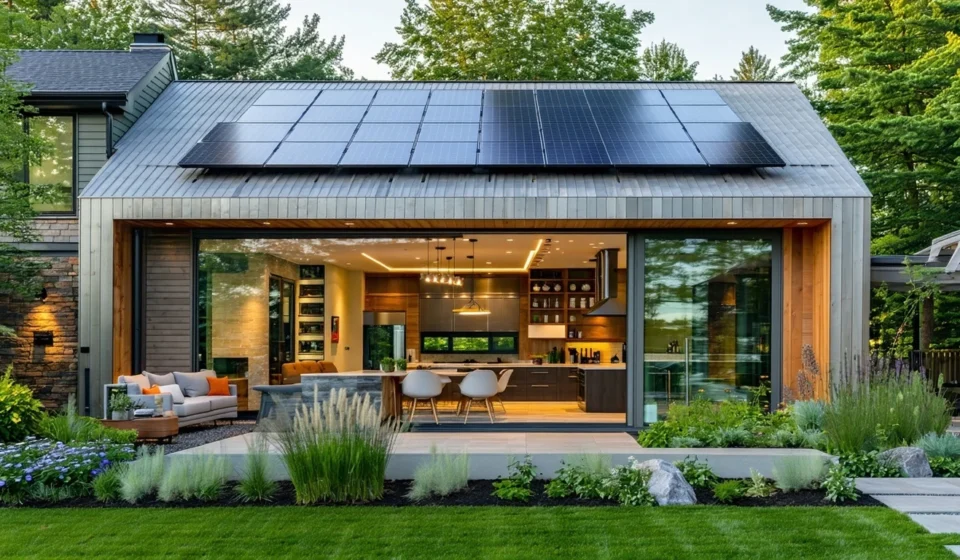

Relentless summer heat has done more than push temperatures into record territory. It has changed the way many homeowners think about their living spaces. Across neighborhoods, families are investing in high efficiency heating and cooling systems, smarter insulation, rooftop solar panels, and energy saving upgrades that promise greater comfort while reducing monthly utility bills. What once felt like an optional home improvement project is quickly becoming a practical response to rising electricity demand, extreme weather, and growing concerns about long term household expenses.
The shift reflects a broader change in consumer priorities. Rather than focusing solely on cosmetic renovations, homeowners are directing spending toward improvements that deliver measurable performance. Contractors, energy consultants, and home improvement retailers report stronger demand for projects that help houses stay cooler during intense heat while lowering energy consumption throughout the year.
Heatwaves are reshaping renovation decisions
When outdoor temperatures remain high for days or even weeks, air conditioning systems often operate almost continuously. Older equipment can struggle to maintain comfortable indoor conditions while consuming large amounts of electricity. That reality has encouraged many households to replace aging systems with newer high efficiency HVAC equipment designed to deliver better cooling using less energy.
Many homeowners describe the decision as both financial and personal. Comfortable indoor temperatures are especially important for young children, older adults, and people with chronic health conditions. During prolonged heat events, dependable cooling becomes more than a convenience. It becomes an important part of protecting household wellbeing.
Industry experts also note that buyers increasingly ask about long term operating costs before selecting equipment. Instead of choosing the least expensive installation, many families now compare projected energy savings over several years, making efficiency an important factor in purchasing decisions.
Smart insulation is becoming a major investment
Heating and cooling equipment performs best when homes retain conditioned air. That has placed renewed attention on insulation, sealed windows, improved roofing materials, and air leak reduction. Many older homes lose significant amounts of cooled air through attics, walls, and small gaps around doors and windows.
Modern insulation products can help reduce indoor temperature swings while allowing cooling systems to work less frequently. Homeowners often combine insulation projects with attic ventilation improvements and reflective roofing materials that reduce heat absorption during the hottest parts of the day.
Energy professionals frequently recommend conducting a complete home energy assessment before beginning renovations. Such evaluations can identify hidden areas where conditioned air escapes, allowing homeowners to prioritize improvements that produce the greatest return on investment. Information about residential energy efficiency strategies is available through the United States Department of Energy Energy Saver program.
Solar power gains fresh momentum
Solar installations continue attracting homeowners looking to reduce dependence on traditional electricity sources. During periods of heavy air conditioning use, electricity consumption often reaches seasonal highs. Generating part of that power at home can offset utility expenses while supporting cleaner energy production.
Many modern residential solar systems can also integrate with battery storage, allowing households to store excess electricity for later use. This capability has become increasingly attractive in areas vulnerable to severe weather or temporary power interruptions during periods of intense demand.
Although installation costs remain a significant consideration, tax incentives and financing options continue to encourage adoption in many regions. Homeowners researching renewable energy projects often review available federal programs through the United States Department of Energy guide for homeowners going solar.
Technology is making homes more efficient
Energy efficiency extends well beyond new equipment. Smart thermostats, connected sensors, automated window coverings, and intelligent ventilation systems are helping households better manage indoor temperatures without unnecessary electricity use.
A smart thermostat can learn daily routines and adjust cooling schedules accordingly. Instead of running continuously throughout the day, systems can reduce output when residents are away and restore comfortable temperatures shortly before they return home.
These technologies also provide homeowners with detailed information about energy use. Monthly reports can reveal patterns that were previously difficult to detect, making it easier to identify opportunities for additional savings.
Popular upgrades attracting homeowner interest
- High efficiency HVAC systems with improved seasonal performance ratings.
- Attic insulation designed to reduce unwanted heat transfer.
- Energy efficient windows with advanced thermal coatings.
- Smart thermostats connected to mobile applications.
- Residential rooftop solar panels paired with battery storage.
- Weather sealing around doors, windows, and ventilation openings.
Home value enters the conversation
Energy conscious renovations increasingly influence real estate markets. Buyers often consider expected utility costs alongside traditional factors such as location, layout, and neighborhood amenities. A home equipped with efficient cooling, quality insulation, and renewable energy features may stand out in competitive housing markets.
Real estate professionals say many prospective buyers ask about average electricity expenses during home tours. They also inquire about equipment age, maintenance history, and available energy certifications. These questions illustrate how operating costs have become an important part of purchasing decisions.
Sellers who invested in efficiency improvements several years ago may now find those projects adding practical value beyond visual appeal. Lower expected utility expenses can become a meaningful selling point during negotiations.
Contractors face growing demand
Home improvement companies across many regions report busier schedules as homeowners seek appointments before peak summer temperatures intensify. Demand for qualified HVAC technicians, insulation specialists, electricians, and solar installers has increased alongside consumer interest.
This activity also supports employment throughout construction and manufacturing sectors. Equipment suppliers, distributors, and local service providers benefit from rising demand as renovation projects move from planning to installation.
Some contractors encourage homeowners to schedule inspections well before existing systems fail. Preventive replacement often provides greater flexibility when selecting equipment and avoiding emergency installations during periods of extreme weather.
Balancing upfront costs with future savings
Energy efficient renovations typically require meaningful initial investment. For many households, however, the calculation extends beyond the purchase price. Lower monthly utility bills, improved indoor comfort, reduced maintenance, and potential increases in property value all contribute to the overall financial picture.
Homeowners are also paying closer attention to equipment warranties, expected service life, and maintenance requirements. Selecting durable systems with reliable support can reduce unexpected repair expenses while improving long term performance.
Financial incentives offered by local governments or utility providers may further improve affordability, making larger renovation projects accessible to more families.
Preparing homes for a warmer future
Climate experts continue to study the growing frequency and intensity of extreme heat events in many parts of the world. While weather patterns vary from region to region, homeowners increasingly recognize the importance of preparing residences for hotter summers and higher electricity demand.
That preparation involves more than purchasing efficient equipment. It includes thoughtful planning, regular maintenance, careful product selection, and attention to how every part of a home works together to maintain comfort.
The recent surge in eco friendly renovations reflects a practical response to changing conditions rather than a passing trend. Families want homes that remain comfortable during scorching afternoons, consume less electricity, and provide greater resilience against future weather extremes. As another intense summer unfolds, those priorities continue shaping renovation choices across communities, turning energy efficiency into one of the defining home improvement stories of 2026.