

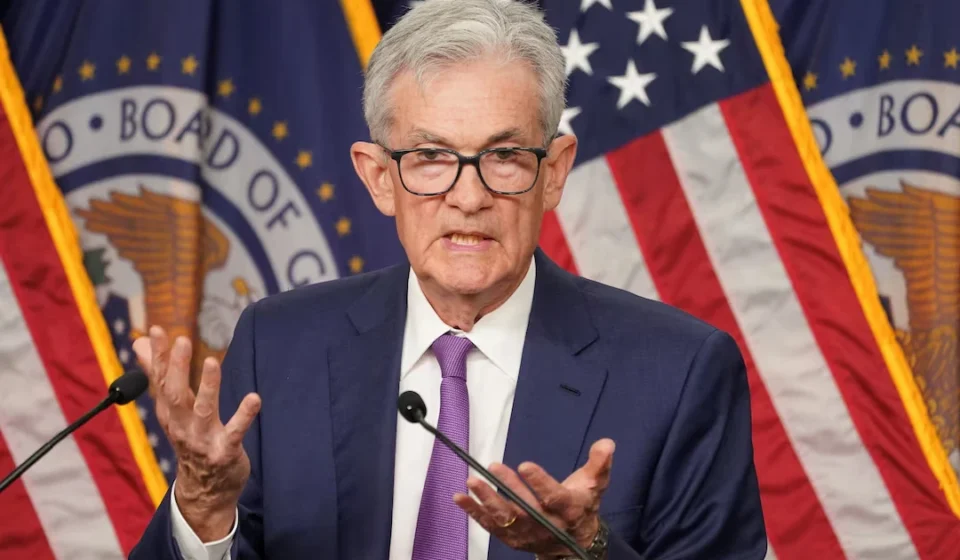

The United States Federal Reserve chose to leave its benchmark interest rate unchanged on July 30, 2026, reinforcing a careful policy path at a time when inflation has eased from its recent peaks but continues to challenge households, employers, and financial markets. The decision reflects a balancing act that has become increasingly familiar to central bankers. Price growth is slowing, yet it has not returned comfortably to long term goals. At the same time, the labor market remains resilient, giving policymakers room to observe incoming economic data before committing to another policy shift.
We are entering a phase where expectations matter almost as much as the rate decision itself. Investors, businesses, and consumers are listening closely for clues about what comes next. While many hoped for a clearer signal on future borrowing costs, the Federal Reserve instead reinforced a message of patience. Officials continue to weigh inflation readings, wage growth, consumer spending, and employment trends before deciding whether additional policy action will be necessary.
Why the Federal Reserve Chose to Wait
The Federal Reserve has spent several years tightening monetary policy in response to the strongest inflation surge seen in decades. Higher interest rates increase borrowing costs across the economy, making mortgages, business loans, and many forms of consumer credit more expensive. The objective is straightforward. Slower spending can reduce demand and help ease upward pressure on prices.
Recent inflation reports have shown encouraging progress. Price increases have moderated compared with earlier periods, but they remain above the central bank’s long term objective. Officials appear determined not to repeat historical mistakes by loosening financial conditions too quickly before inflation is fully contained.
The latest decision suggests policymakers believe existing interest rates continue to place enough pressure on the economy while allowing time to measure how previous increases continue to affect households and businesses. Monetary policy often works with significant delays, meaning decisions made months ago may still be influencing economic activity today.
Employment Remains a Critical Piece of the Puzzle
One reason the Federal Reserve has been able to pause rather than rush toward rate reductions is the continued strength of the labor market. Employment has remained relatively stable despite higher borrowing costs, while many industries continue searching for qualified workers.
Strong hiring has helped consumers maintain spending, supporting economic growth even as financing costs increased. However, officials also recognize that labor market conditions can change quickly if employers become more cautious or business investment slows.
Several indicators remain under close observation.
- Monthly job creation across major industries.
- Average wage growth and worker earnings.
- Unemployment trends.
- Business hiring intentions.
- Labor force participation rates.
These measurements help policymakers judge whether the economy is cooling gradually or moving toward a sharper slowdown.
Global Central Banks Are Facing Similar Challenges
The Federal Reserve is not operating in isolation. Central banks across Europe, Asia, and other major economies continue confronting similar questions about inflation, interest rates, and economic growth.
Many countries have experienced declining inflation after aggressive monetary tightening. Yet services inflation, housing costs, and wage pressures remain stubborn in several regions. This shared experience has created an environment where policymakers increasingly rely on incoming economic reports instead of committing to predetermined paths.
Global financial markets also react quickly to policy changes by major central banks. Decisions in Washington can influence borrowing costs, investment flows, exchange rates, and commodity prices around the world. Likewise, economic developments abroad may affect United States inflation through supply chains, imported goods, and energy markets.
Readers seeking additional background on monetary policy can explore educational resources published by the Federal Reserve as well as economic research available through the International Monetary Fund.
What the Decision Means for American Families
Keeping interest rates unchanged does not immediately change borrowing costs, but it extends the current financial environment that many households have experienced over recent months.
Home buyers may continue facing relatively high mortgage rates compared with the historically low levels seen earlier in the decade. Credit card interest rates remain elevated, increasing the cost of carrying unpaid balances. Auto loans and business financing also continue reflecting higher benchmark rates.
On the other hand, savers may continue benefiting from stronger returns on certain savings accounts, certificates of deposit, and other interest bearing financial products.
For many families, the practical question is less about a single Federal Reserve meeting and more about whether inflation continues slowing while employment remains stable. Lower inflation combined with steady income growth can gradually improve purchasing power even without immediate interest rate reductions.
Businesses Continue Adjusting to Higher Borrowing Costs
Corporate leaders have spent the past several years adapting investment plans, hiring strategies, and expansion projects to a higher interest rate environment. Large companies with healthy balance sheets have generally managed these conditions more comfortably than smaller firms that rely more heavily on bank financing.
Many executives now describe planning as an exercise in flexibility. Rather than assuming rapid rate cuts, businesses increasingly prepare for the possibility that borrowing costs could remain relatively high until inflation shows more consistent improvement.
This cautious approach has influenced commercial real estate activity, manufacturing investment, startup financing, and consumer focused industries that depend heavily on discretionary spending.
Financial Markets Focus on Future Signals
Stock markets often respond not only to the rate decision itself but also to the language used by Federal Reserve officials. Investors examine every statement for indications about future meetings, inflation expectations, and broader economic conditions.
The latest message reinforces a data driven strategy. Rather than committing to future increases or reductions, policymakers appear prepared to respond as new information becomes available.
Financial analysts will likely pay close attention to upcoming inflation reports, retail sales figures, manufacturing activity, and employment data. Each release may influence expectations about when interest rates could eventually begin moving lower if inflation continues easing toward policy objectives.
Inflation Has Slowed but the Journey Is Not Complete
Although inflation has moderated significantly compared with its highest levels, many consumers still notice elevated prices at grocery stores, restaurants, housing markets, and service providers. Even when inflation slows, prices generally continue rising at a slower pace rather than returning to previous levels.
This distinction explains why many households continue feeling financial pressure despite improving economic statistics. The cumulative effect of several years of higher prices remains part of everyday budgeting decisions.
Federal Reserve officials therefore face a difficult challenge. Reducing interest rates too quickly could risk renewed inflation. Keeping rates elevated for too long could unnecessarily weaken economic growth or employment. Finding the appropriate balance requires continuous evaluation rather than automatic decision making.
Looking Ahead to the Next Policy Meetings
The coming months will provide additional evidence about whether inflation continues its gradual decline and whether labor markets remain resilient. Every major economic report will contribute to the broader picture that policymakers use when determining future interest rate decisions.
We expect market participants to continue interpreting each data release through the lens of future monetary policy. While predictions will undoubtedly change with every new report, the Federal Reserve has signaled that patience remains central to its current strategy.
The July 30 decision reflects confidence that the economy is moving in a constructive direction while acknowledging that meaningful uncertainty still exists. Inflation has cooled, yet it remains persistent enough to justify caution. Employment remains healthy, but policymakers know labor markets can shift unexpectedly. Those competing realities explain why the Federal Reserve chose stability over dramatic action, leaving businesses, investors, and millions of American families watching closely for the next chapter in the nation’s economic story.