

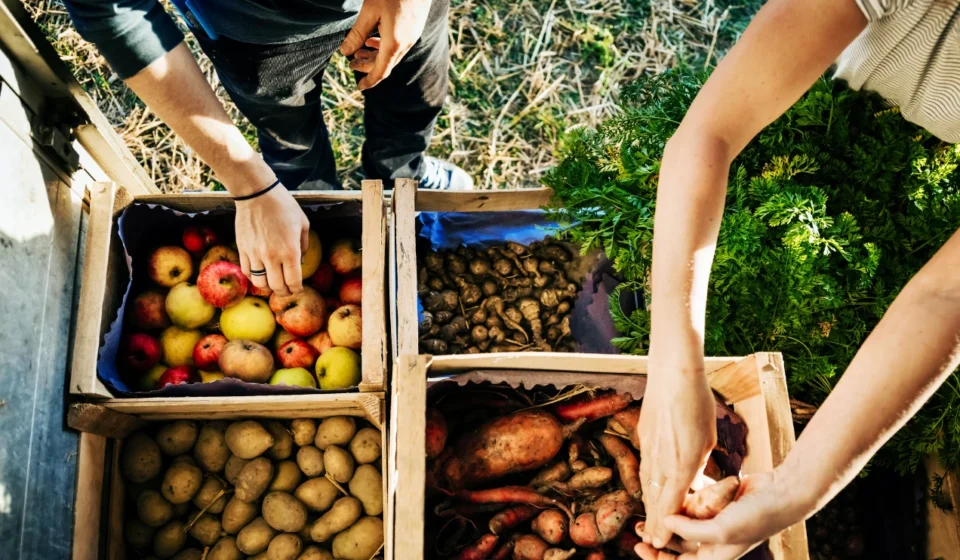

Families across the globe are asking a question that once seemed reserved for food safety experts. Where does my food really come from? Search trends recorded after several widely reported agricultural contamination events show a sharp increase in people looking for practical ways to verify local food sourcing, identify trustworthy producers, and reduce the risk of buying products linked to unsafe supply chains. The growing interest reflects more than temporary anxiety. It signals a lasting shift in how consumers think about food, transparency, and personal health.
We are witnessing a moment where shopping habits are changing because confidence has been shaken. Fresh produce, dairy products, grains, seafood, and packaged foods all pass through complex networks before reaching store shelves. When contamination occurs at any stage, the effects can spread across regions and even continents. That reality has encouraged millions of consumers to seek clearer information before placing food on their tables.
Food safety concerns are reshaping everyday buying decisions
Modern food systems have made year round access to a wide variety of products possible. A single meal may contain ingredients grown in several countries, processed in another location, and packaged somewhere else entirely. This efficiency has improved availability but also created long and interconnected supply chains that are difficult for ordinary shoppers to understand.
Recent contamination incidents involving agricultural products have reminded consumers that one failure in production, storage, transportation, or processing can affect thousands of households. Public attention often increases when recalls involve foods commonly served to children or older adults, since these groups are generally more vulnerable to foodborne illness.
That growing awareness has fueled online searches related to food traceability, local farming, regional food markets, organic production methods, and supply chain transparency. Many consumers are no longer satisfied with simply reading a package label. They want to know who produced the food, where it originated, and whether independent oversight exists.
Why local food sourcing is attracting renewed interest
Buying food from nearby producers is not a guarantee of safety, but shorter supply chains often provide greater visibility into production practices. Consumers may have opportunities to meet growers directly, ask questions about farming methods, and learn how products are handled after harvest.
Local sourcing can also reduce the number of distribution points between farms and households. Fewer handling stages may reduce opportunities for contamination when proper safety practices are consistently followed.
Many communities have responded by supporting neighborhood farmers markets, community supported agriculture programs, and regional food cooperatives. These options allow buyers to build relationships with producers instead of relying entirely on anonymous global distribution systems.
How consumers can verify where food comes from
Food experts recommend focusing on reliable information rather than rumors shared on social media. Several practical steps can help shoppers make more informed decisions.
- Read product labels carefully for country of origin information when available.
- Check whether recalled products match lot numbers or production dates announced by public health agencies.
- Purchase from retailers that maintain strong food safety standards and transparent sourcing policies.
- Ask vendors at local markets about growing practices, harvest dates, and storage methods.
- Stay informed through official food safety alerts rather than unverified online posts.
Consumers can also learn more about food recalls and safety guidance through the United States Food and Drug Administration food safety resources. Those outside the United States often have similar services provided by national food safety authorities.
Technology is making food traceability more visible
One of the biggest developments in recent years is the expansion of digital tracking systems throughout agriculture and food manufacturing. Many producers now record information from planting through harvesting, transportation, packaging, and retail distribution.
Quick response codes printed on packaging increasingly allow customers to view product details using a smartphone. Depending on the manufacturer, these systems may provide information about production facilities, sourcing regions, certifications, and quality testing.
Some agricultural companies are also investing in blockchain based record keeping to create permanent transaction histories that are difficult to alter. While these technologies are still expanding, they represent an effort to strengthen confidence by making supply chains easier to verify.
What contamination events reveal about modern food systems
Food contamination rarely results from a single cause. Experts often find that multiple factors contribute to outbreaks involving harmful bacteria, chemical pollutants, environmental contamination, or improper handling during transportation and storage.
Weather conditions can also influence food safety. Flooding may expose crops to contaminated water. Heat waves can increase spoilage risks if refrigeration systems fail. Drought can affect irrigation quality, while severe storms may disrupt transportation and inspection schedules.
Global trade adds another layer of complexity because products frequently cross multiple international borders before reaching consumers. Regulatory systems differ between countries, making cooperation among health agencies increasingly important.
The emotional side of food safety
Food represents far more than nutrition. It connects families, traditions, celebrations, and cultural identity. When confidence in the food supply weakens, anxiety often extends beyond concerns about illness.
Parents preparing school lunches, grandparents cooking family recipes, and young adults shopping for their first homes all share the same expectation that food available for purchase has been produced responsibly. News of contamination can interrupt that sense of security and leave people questioning familiar routines.
We often overlook the emotional comfort that comes from trusting a neighborhood grocery store or local market. Once that trust is challenged, rebuilding it requires transparency, accountability, and consistent communication from producers, retailers, and regulators.
Farmers are also working to rebuild confidence
Many responsible farmers recognize that public trust is essential for their livelihoods. Across numerous agricultural regions, producers have increased investments in water testing, sanitation procedures, worker training, and record keeping.
Independent certifications have become another way for farms to demonstrate compliance with recognized food safety standards. Although certification alone cannot eliminate every risk, it provides consumers with additional information when comparing products.
Smaller producers have also expanded their online presence, allowing buyers to learn about farming practices before making purchases. Farm websites and social media pages often share harvest updates, growing conditions, and production methods that were rarely visible to consumers only a few years ago.
Public health agencies continue strengthening surveillance
Governments and international organizations continue refining systems that detect foodborne illnesses more quickly than in previous decades. Laboratory testing, disease reporting, and international cooperation have improved the speed with which investigators can identify possible contamination sources.
The World Health Organization food safety program continues to promote stronger food safety systems, better surveillance, and international cooperation aimed at reducing foodborne disease worldwide.
Rapid communication has become especially valuable because contaminated products can move through global distribution networks within days. Early detection allows recalls to begin sooner and may reduce the number of people exposed.
Social media is helping and complicating the conversation
Online platforms have become powerful tools for sharing recall notices and discussing food safety concerns. Consumers frequently learn about potential issues within minutes of official announcements.
The same speed, however, also allows misinformation to spread. False claims about contaminated foods, fabricated recall notices, and misleading health advice can circulate widely before corrections appear.
Experts encourage consumers to confirm alarming reports through official government agencies, recognized health organizations, or reputable news outlets before changing purchasing habits or discarding products unnecessarily.
Building a safer relationship with the food we buy
The recent surge in searches about avoiding toxic food supply chains reflects a broader cultural shift rather than a passing reaction to isolated headlines. Consumers increasingly value transparency alongside price, convenience, and availability. They want clear information that helps them make confident choices for themselves and their families.
Perfect safety can never be guaranteed within any food system. Agriculture depends on weather, transportation, labor, and countless biological processes that carry unavoidable uncertainty. Even so, informed purchasing decisions, reliable public health oversight, responsible farming practices, and transparent supply chains together create stronger protection against preventable risks.
As shoppers continue asking more detailed questions about where their food comes from, producers, retailers, and regulators face growing expectations to provide meaningful answers. That changing relationship may become one of the most lasting outcomes of recent food safety scares, encouraging a future where transparency is viewed not as a luxury but as a basic part of every meal.