

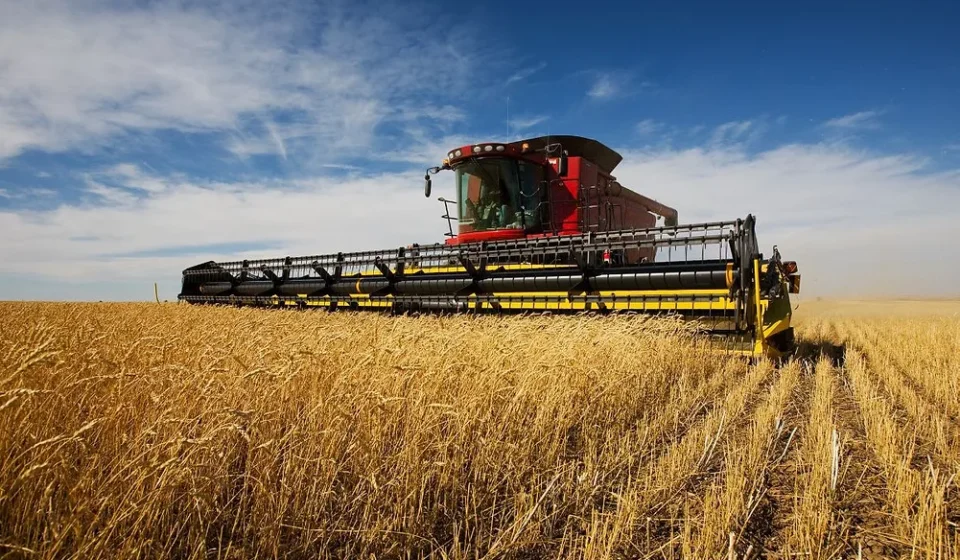

European grain markets are facing renewed pressure after updated agricultural projections pointed to a sharp decline in expected harvest volumes, sending wheat prices higher and raising fresh concerns about global food stability. The revised outlook has placed farmers, food producers, governments, and consumers under closer watch as weather challenges and supply uncertainties reshape expectations for the coming months.
European Harvest Forecast Cuts Send Shockwaves Through Grain Markets
The European Union’s latest grain projections indicate that expected yields have fallen by about nine percent compared with earlier estimates. The reduction reflects weaker crop performance across several important producing regions, where unfavorable weather conditions have affected planting schedules, crop development, and final production expectations.
For families already dealing with higher grocery costs, changes in grain markets can quickly become personal. Wheat is a foundation of many everyday foods, including bread, pasta, and processed products. When supply expectations decline, buyers across the supply chain often respond by securing additional supplies, which can place further pressure on prices.
We are seeing a familiar pattern in agricultural markets: a smaller harvest forecast can create uncertainty far beyond the fields where crops are grown. Grain traders, food manufacturers, and policymakers closely monitor these shifts because wheat is one of the most widely traded agricultural commodities in the world.
Weather Challenges Put Pressure on European Agriculture
European farmers have faced a difficult growing season marked by unpredictable conditions. Some regions experienced excessive rainfall that disrupted planting and increased crop disease risks, while others struggled with periods of heat and limited soil moisture.
These challenges reflect a broader issue affecting agricultural production worldwide. Climate variability has made seasonal planning more complicated for farmers who depend on narrow growing windows and stable weather patterns. The Food and Agriculture Organization of the United Nations continues to track global crop conditions, food availability, and agricultural risks as countries respond to shifting production trends.
For many growers, the impact is measured not only in market prices but also in lost opportunities. A weaker harvest can affect farm income, regional economies, and the ability of communities to maintain reliable food supplies.
Global Wheat Prices Respond to Supply Concerns
Wheat prices have moved higher as traders react to tighter expectations from Europe, one of the world’s major grain producing regions. Markets often respond quickly when forecasts suggest that available supplies may become more limited than previously expected.
The increase in wheat prices can influence many parts of the food economy. Millers may face higher costs for raw materials, manufacturers may adjust purchasing strategies, and retailers may eventually see changes reflected in consumer prices.
However, price movements are shaped by more than one factor. Global inventories, currency changes, shipping costs, energy prices, and harvest conditions in other major producing countries all contribute to the final market picture. A lower European forecast does not automatically mean a worldwide shortage, but it adds another layer of uncertainty to an already sensitive market.
Food Security Concerns Grow Beyond Europe
The revised outlook has renewed attention on global food security, particularly in regions that rely heavily on imported grains. Countries with limited domestic production often depend on international markets to maintain affordable supplies of staple foods.
When major exporters experience production challenges, importing nations may face increased competition for available supplies. Lower income communities are often the most vulnerable because food purchases represent a larger share of household spending.
International organizations and governments continue to focus on building stronger agricultural systems through improved storage, more resilient farming methods, and better market coordination. The World Bank’s agriculture programs highlight the importance of supporting farmers and strengthening food systems in regions exposed to supply disruptions.
Farmers and Businesses Prepare for a More Uncertain Season
European farmers are now watching market conditions closely while preparing for decisions about storage, sales timing, and future planting strategies. A weaker harvest can sometimes bring higher prices, but it can also create financial strain when production costs remain elevated.
Food companies are also reviewing their supply plans. Many businesses are seeking greater flexibility by working with multiple suppliers and maintaining larger reserves when possible. These strategies can help reduce sudden disruptions, although they may also add costs throughout the food chain.
For consumers, the effects may appear gradually. A change in grain prices does not always immediately translate into higher prices at supermarkets, but sustained increases can influence food production expenses over time.
What Comes Next for Global Grain Markets
The coming months will depend heavily on final harvest results, weather developments, and international trade conditions. A strong performance from other wheat producing regions could help balance reduced European output, while additional weather problems could increase pressure on supplies.
We will continue to see agricultural markets respond to a combination of environmental conditions, economic decisions, and global demand. The latest European forecast serves as a reminder that food security depends on a complex network connecting farmers, traders, governments, and households around the world.
For communities far from Europe’s grain fields, the story may seem distant, but the impact can reach dinner tables everywhere. A change in crop expectations can influence prices, planning decisions, and the stability of food supplies across borders. As markets adjust, resilience in agriculture will remain central to protecting access to affordable and reliable food.