

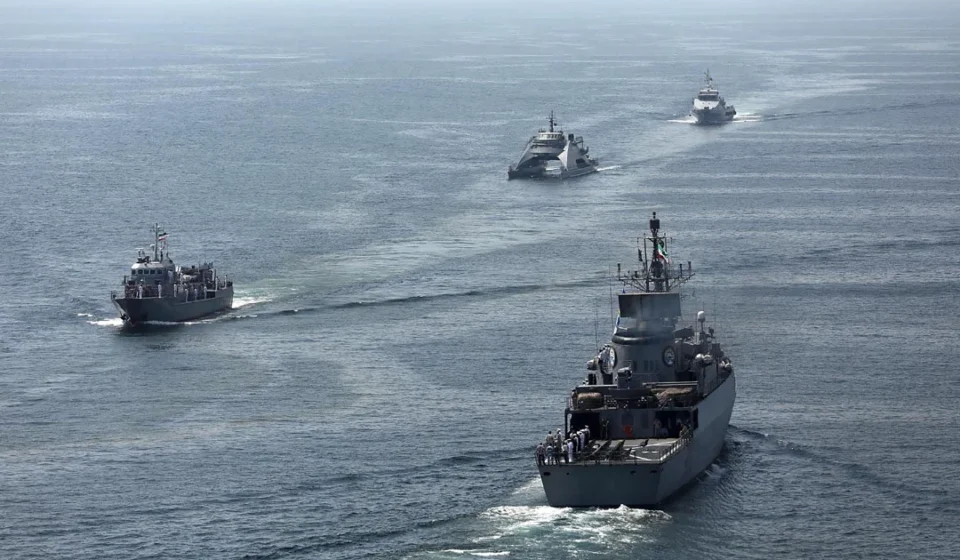

More than 40 nations have ratified a new multilateral agreement designed to protect undersea communications cables and energy pipelines in international waters, creating a shared framework for maritime monitoring, threat detection, and coordinated defense. The pact marks a significant shift toward collective protection of infrastructure that carries much of the world’s digital communications and energy supply beneath the oceans.
A New Security Framework Beneath International Waters
The agreement addresses a vulnerability that is easy to overlook because it sits far from shore and largely out of public view. Thousands of miles of fiber optic cables and energy pipelines cross the seabed, connecting continents, supporting financial transactions, carrying internet traffic, and moving vital energy supplies. When these systems operate normally, their presence is almost invisible. When one is damaged, the consequences can spread quickly across borders.
Under the new pact, participating governments will establish joint maritime defense and monitoring protocols for infrastructure located in international waters. The framework is intended to improve information sharing, coordinate surveillance activities, and create clearer procedures for responding to suspicious activity or physical damage affecting critical seabed assets.
For governments, the agreement offers a way to treat undersea infrastructure as a shared security concern rather than a collection of isolated national interests. That distinction matters because many cables and pipelines cross multiple jurisdictions or connect countries that may have very different security capabilities.
Why Undersea Cables Have Become a Strategic Concern
Modern economies depend heavily on infrastructure beneath the sea. International data traffic, cloud services, financial communications, government networks, and everyday consumer services rely on submarine telecommunications cables. Energy pipelines can also form essential links between producers, transit regions, and major markets.
The physical vulnerability of these systems creates a difficult security problem. A cable can be damaged by an anchor, fishing equipment, a natural event, or deliberate interference. Pipelines face many of the same risks, while their strategic importance can make them particularly sensitive targets during periods of geopolitical tension.
Research and policy work by organizations such as the International Telecommunication Union has highlighted the importance of resilient global communications infrastructure. The new pact extends that broader resilience discussion into a more coordinated maritime security framework.
What the Multilateral Pact Is Expected to Cover
The participating nations have agreed to cooperate around several core areas of maritime infrastructure protection. Rather than relying on a single international patrol force, the framework is expected to strengthen coordination between existing naval, coast guard, maritime security, and civilian monitoring capabilities.
- Joint monitoring of strategically important undersea infrastructure.
- Faster exchange of information about suspicious vessels and maritime activity.
- Coordinated assessment of damage to cables and pipelines.
- Improved communication between governments and infrastructure operators.
- Shared procedures for responding to incidents in international waters.
Such measures could make it easier for governments to distinguish routine maritime activity from behavior that warrants closer scrutiny. That distinction is critical because international waters contain enormous volumes of legitimate commercial traffic.
The Human Cost of an Undersea Infrastructure Failure
It is tempting to think of submarine cables as an abstract piece of global technology. For ordinary people, however, the consequences of disruption can become very tangible.
A serious communications outage could affect banking services, international business operations, cloud applications, telecommunications, and government systems. A disruption to energy infrastructure could create additional pressure on fuel supplies and electricity markets, depending on the location and importance of the affected system.
Behind every cable route and pipeline are people whose daily routines depend on these networks working quietly and continuously. Families sending messages across borders, hospitals exchanging information, businesses processing payments, and workers communicating with colleagues abroad all depend on infrastructure that they rarely see.
International Cooperation Takes Center Stage
The breadth of participation is one of the most significant elements of the agreement. More than 40 nations have ratified the pact, signaling broad recognition that no single government can independently monitor every section of the seabed connected to its economy.
The approach also reflects a practical reality of maritime security. A vessel suspected of interfering with infrastructure may operate hundreds of miles from the nearest coastline, while the affected cable or pipeline may belong to companies based in several different countries. Effective action therefore depends on authorities sharing information before an incident becomes a larger crisis.
The International Maritime Organization provides an established international setting for cooperation on maritime safety and security, and the new agreement adds momentum to wider efforts to strengthen coordination around critical infrastructure at sea.
Monitoring Will Be Central to the Pact
Effective protection will depend heavily on the ability to detect unusual activity early. Maritime monitoring can draw on satellite imagery, vessel tracking systems, patrol aircraft, naval assets, coast guard operations, and information supplied by commercial infrastructure operators.
The challenge is not simply collecting more data. Authorities must determine which signals deserve attention and ensure that relevant information reaches the right government or operator quickly. A coordinated system could reduce the delays that sometimes occur when an incident crosses national boundaries.
Infrastructure operators are likely to remain an important part of this process. Companies responsible for submarine cables and pipelines often possess detailed information about routes, maintenance schedules, repair requirements, and unusual disruptions. Bringing that expertise into national and multinational security planning can improve the speed and accuracy of incident assessments.
Repair Capacity Matters as Much as Detection
Monitoring can identify a problem, but resilience ultimately depends on the ability to restore damaged infrastructure. Specialized repair vessels, replacement equipment, trained crews, and access to spare components are essential when a cable or pipeline suffers serious damage.
For communications networks, redundancy can reduce the immediate impact of a single failure because traffic may be redirected through alternative routes. Yet redundancy does not eliminate the need for repairs. A series of incidents affecting several routes could place much greater pressure on the remaining network.
The new security framework therefore has implications beyond patrols and surveillance. It could encourage governments to consider repair logistics, emergency coordination, infrastructure mapping, and contingency planning as connected elements of national resilience.
A More Complicated Maritime Security Environment
The agreement comes as governments face a maritime environment in which commercial shipping, energy security, telecommunications, and national defense increasingly overlap. Oceans remain among the world’s busiest transportation corridors, but the infrastructure beneath them is becoming just as strategically significant as the vessels moving above them.
That creates difficult questions for policymakers. How should governments respond when suspicious activity occurs near a privately owned cable? What evidence should trigger a coordinated investigation? How can surveillance be increased without disrupting legitimate shipping? And how should responsibility be divided when infrastructure serves several nations at once?
The pact does not eliminate those questions. Its value will depend on how effectively participating governments turn broad commitments into operational procedures that can function under pressure.
What the Agreement Could Mean for Global Resilience
The immediate significance of the agreement is its focus on prevention and coordination. Rather than waiting for a major disruption before governments cooperate, the framework establishes a basis for routine information sharing and joint preparedness.
That could strengthen confidence among countries that depend on the same communications and energy networks. It could also encourage infrastructure operators to invest more heavily in physical protection, redundancy, monitoring systems, and emergency repair capabilities.
For consumers, the most meaningful result may be the absence of an obvious crisis. Strong infrastructure security is often measured not by dramatic military action but by whether internet connections remain stable, financial systems continue operating, energy keeps flowing, and repairs can begin quickly when something goes wrong.
The Test Will Come at Sea
Signing and ratifying an international agreement is only the beginning. The real test will come when participating nations must respond to an actual incident involving a cable or pipeline in international waters.
Success will require governments to share information quickly, coordinate maritime assets, communicate with private operators, preserve evidence, and avoid unnecessary escalation. It will also require sustained investment because undersea infrastructure extends across enormous distances and cannot be protected by a handful of patrols.
We should therefore view the pact as a foundation for a longer security effort rather than a complete solution. Its greatest contribution may be establishing a common expectation that the infrastructure connecting modern economies deserves collective protection.
Far beneath the waves, these cables and pipelines rarely make headlines. Yet they carry the conversations, transactions, energy, and information on which societies depend. With more than 40 nations now committed to protecting them together, the seabed is becoming a more visible part of international security policy.