

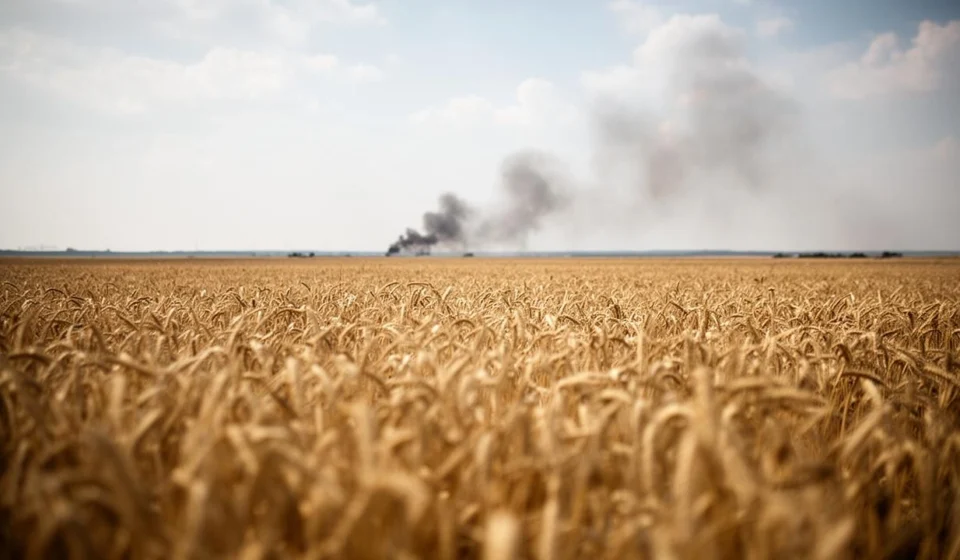

International wheat prices climbed 5.8 percent as severe summer heatwaves across Europe and persistent drought in North America damaged crops, adding fresh pressure to food costs for households already watching grocery bills closely. The latest rise shows how quickly extreme weather can move from fields and farm regions into kitchens, markets, and family budgets around the world.
Heat and Drought Put Grain Harvests Under Pressure
For farmers across major grain producing regions, the summer of 2026 has brought a difficult combination of heat and limited water. Europe has faced severe heatwaves that have stressed crops during critical stages of growth, while drought conditions in North America have reduced the moisture available to grain fields.
Wheat is particularly sensitive to weather conditions during key parts of its growing cycle. When temperatures remain unusually high and rainfall fails to replenish depleted soil moisture, plants can struggle to develop properly. Lower yields mean less grain is available for domestic use, exports, animal feed, and food processing.
We often experience these events as distant headlines about farms and weather maps. The economic consequences, however, can travel much farther. Grain is traded internationally, and changes in expected harvest volumes can quickly influence prices in global commodity markets.
The 5.8 percent increase in international wheat prices reflects that concern. Buyers and traders are responding not only to grain already harvested but also to expectations about future supplies. When weather threatens production in major agricultural regions, markets can react before the full size of the harvest loss becomes clear.
Why Higher Wheat Prices Matter to Consumers
Wheat sits near the center of the global food system. It is used in bread, flour, pasta, noodles, biscuits, cereals, and many other products. A rise in the cost of the raw grain does not automatically produce an equal increase in retail food prices, but sustained increases can place pressure on food manufacturers, wholesalers, restaurants, and retailers.
For consumers, the effect may appear gradually. A bakery may face higher flour costs. A food manufacturer may pay more for ingredients and transportation. Retailers may then adjust prices as businesses attempt to protect already narrow margins.
The impact can be particularly difficult for households that spend a large share of their income on food. Even a relatively modest increase in staple products can force families to make uncomfortable choices between essential groceries and other household expenses.
Lower income communities can therefore feel the effects of agricultural disruption more sharply than wealthier households. Bread and other grain based foods are common staples in many countries, making wheat prices an issue that extends well beyond commodity exchanges.
Europe Faces a Difficult Growing Season
Europe’s severe summer heat has created another challenge for farmers already dealing with unpredictable weather patterns. Prolonged periods of extreme heat can accelerate crop development, reduce soil moisture, and place additional stress on plants when they need water most.
The consequences vary by crop, location, soil conditions, and access to irrigation. Some farms may be able to reduce losses through irrigation or other measures, while others have fewer options when water supplies are limited.
For grain producers, the timing of heat matters as much as the temperature itself. Weather conditions during flowering and grain formation can have an outsized influence on final yields. A field that appears healthy early in the season can still experience significant losses when extreme conditions arrive during a sensitive growth period.
The broader concern is that several agricultural regions can face damaging conditions at the same time. When production problems occur across multiple suppliers, global buyers have fewer opportunities to compensate for shortages elsewhere.
Drought Adds Pressure Across North America
North American grain producers are also confronting drought related risks. Crops depend on sufficient moisture throughout the growing season, and prolonged dryness can limit plant development while increasing stress on agricultural operations.
Drought affects more than the quantity of grain harvested. Farmers may face higher costs for irrigation, water management, crop protection, and other efforts designed to preserve production. If yields fall sharply, the financial consequences can continue long after the weather improves.
For international markets, the significance lies in the combined effect of weather disruptions across major producing regions. A shortfall in one country can sometimes be absorbed through additional exports from another. When multiple important suppliers encounter difficult growing conditions, however, that cushion becomes smaller.
Global Grain Markets Respond Before Harvest Results Are Final
Commodity markets are forward looking. Traders continually assess weather forecasts, crop conditions, export availability, inventories, and expected demand. That means prices can move well before farmers know exactly how much grain they will bring to market.
The latest wheat price increase illustrates this process. A 5.8 percent rise signals heightened concern over available supplies and the potential for tighter market conditions. It does not mean every grocery product containing wheat will immediately rise by the same amount.
Several factors determine how commodity prices eventually reach consumers. Transportation costs, storage expenses, currency movements, processing costs, retail competition, existing inventories, and government policies can all influence the final price paid at a store.
Consumers may therefore see different effects depending on where they live and what products they buy. Countries that rely heavily on imported wheat can be particularly exposed when international prices rise and local currencies also weaken.
Food Security Risks Extend Beyond Wheat
The current grain price increase also raises broader questions about food security. Wheat is only one part of a much larger agricultural system affected by extreme weather.
When drought and heat reduce crop production, farmers and governments may face difficult decisions about how available supplies should be allocated. Exporting countries may seek to protect domestic consumers, while importing nations may compete more aggressively for available grain.
That competition can increase volatility in international markets. For countries with limited financial resources, higher import bills can place additional pressure on national budgets and food assistance programs.
The Food and Agriculture Organization tracks global agricultural markets and food security conditions, providing a useful reference for monitoring changes in production, prices, and supplies.
What Consumers Can Expect at the Grocery Store
The immediate outlook is uncertain, and the 5.8 percent increase in international wheat prices should not be interpreted as a prediction that grocery prices will rise by the same percentage. Retail food prices generally respond with a delay because businesses hold inventories and operate under existing contracts.
Still, prolonged pressure on grain markets could gradually filter through the food supply chain. Consumers may notice changes first in products where wheat represents a significant share of production costs.
Families trying to manage food budgets can respond by comparing prices across brands, buying staple products when prices are favorable, and reducing unnecessary food waste. These measures cannot solve broader inflationary pressures, but they can provide some flexibility when household budgets are tight.
Farmers Face a More Difficult Climate Equation
For agricultural producers, the challenge is becoming less about responding to a single bad season and more about managing greater uncertainty. Decisions about planting dates, crop varieties, irrigation, soil management, and insurance become increasingly important when weather conditions can shift rapidly.
Farmers also have to balance resilience with cost. Investments in water management or more climate tolerant crops may reduce risk, but they can require substantial capital at a time when producers are already dealing with volatile input and commodity prices.
Better weather monitoring and agricultural forecasting can help farmers make more informed decisions. The World Meteorological Organization provides international climate and weather information that supports efforts to assess extreme conditions and their wider consequences.
Extreme Weather Is Becoming an Economic Story
The rise in wheat prices is a reminder that extreme weather is not confined to the places where it occurs. A heatwave can begin as a local agricultural emergency and become a global economic concern when it reduces production in a major exporting region.
That connection matters because food systems depend on a delicate balance between supply, demand, trade, and predictable growing conditions. When several major grain producing areas experience severe weather simultaneously, the consequences can spread quickly through international markets.
For consumers, the issue ultimately comes down to something familiar and tangible: the cost of putting food on the table. For farmers, it is the increasingly difficult task of protecting a harvest against conditions they cannot control. And for governments, it is the challenge of keeping food supplies stable while protecting vulnerable households from sudden price shocks.
The 5.8 percent increase in international wheat prices is therefore more than a commodity market statistic. It is an early measure of how severe weather can reshape agricultural expectations, strain global food supplies, and create financial pressure far beyond the fields where the damage begins.