

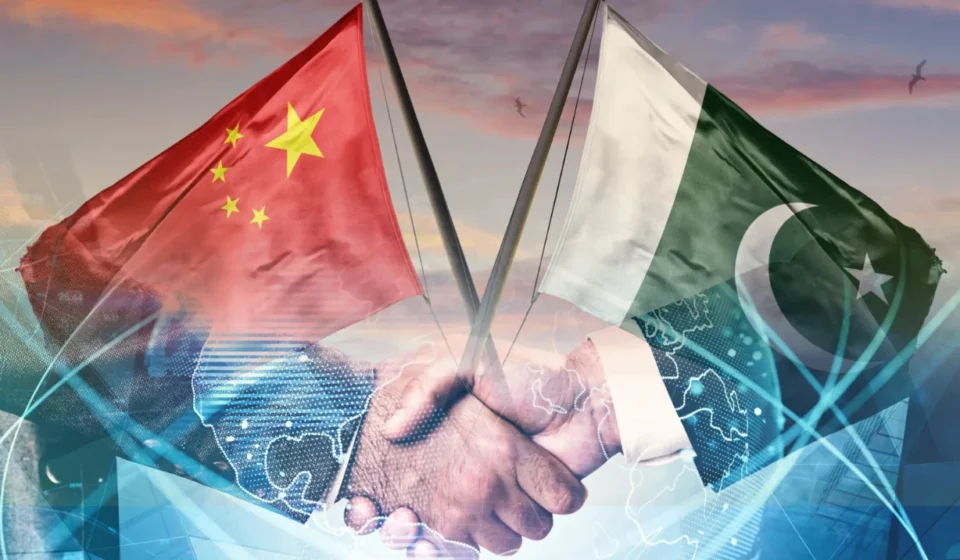

Pakistan has taken a significant place in the global conversation about artificial intelligence after officially becoming a founding member of a new international organization dedicated to AI governance, research cooperation, and responsible technology development. The agreement, signed in Shanghai on July 16, 2026, signals a new chapter in the long standing partnership between Pakistan and China while placing artificial intelligence at the center of future economic and technological cooperation.
The announcement arrives as governments across the world race to shape the rules that will guide advanced AI systems. Rather than focusing only on competition, the newly established alliance aims to encourage collaboration among member countries on policy, innovation, ethical standards, education, and digital infrastructure. For Pakistan, joining as a founding member offers an opportunity to participate in conversations that could influence how AI develops across industries for years to come.
Shanghai agreement strengthens Pakistan and China technology partnership
The signing ceremony in Shanghai reflects the growing importance of technology within the broader China Pakistan Economic Corridor, commonly known as CPEC. While the original phase of the initiative concentrated on energy projects, transport networks, and industrial development, the current vision for CPEC 2.0 gives much greater attention to digital connectivity, smart infrastructure, cloud computing, artificial intelligence, and innovation driven economic growth.
Officials from both countries have repeatedly described digital cooperation as a priority for the next phase of bilateral relations. Artificial intelligence now joins sectors such as telecommunications, electronic commerce, fintech, and advanced manufacturing as areas expected to receive increased investment and institutional support.
The broader vision also reflects changing global economic realities. Countries are investing heavily in AI research because intelligent software is expected to influence healthcare, education, finance, transportation, agriculture, public administration, and scientific discovery. Pakistan’s participation as a founding member gives it an early seat at discussions that may shape international standards and practical cooperation.
Why global AI governance matters
Artificial intelligence has developed at remarkable speed during the past several years. Large language models, autonomous systems, predictive analytics, and intelligent automation have created new possibilities while also raising questions about privacy, security, fairness, transparency, and accountability.
Governments around the world are working to establish rules that encourage innovation without compromising public trust. International cooperation has become increasingly valuable because AI technologies often cross national borders through cloud services, software platforms, and multinational research partnerships.
The new international AI organization seeks to provide a platform where member nations can exchange expertise, coordinate research efforts, discuss policy frameworks, and encourage responsible development of emerging technologies. Readers interested in broader international discussions surrounding AI governance can explore the work of the UNESCO Recommendation on the Ethics of Artificial Intelligence, which has become one of the most widely recognized global references for responsible AI development.
CPEC 2.0 expands beyond roads and power projects
The inclusion of artificial intelligence within CPEC 2.0 illustrates how economic partnerships continue to evolve alongside technological progress. Digital infrastructure has become just as valuable as physical infrastructure in supporting long term national development.
Current priorities connected with the expanded framework include:
- Building stronger digital infrastructure
- Supporting AI research and innovation
- Developing technology education programs
- Expanding cooperation between universities and research institutions
- Encouraging startup ecosystems focused on advanced technologies
- Promoting smart manufacturing and intelligent industrial systems
These initiatives have the potential to support both established industries and emerging technology companies seeking to compete in international markets.
What Pakistan could gain from membership
Joining an international AI alliance at its founding stage gives Pakistan opportunities that extend beyond diplomatic recognition. Early participation allows policymakers, researchers, and technology experts to contribute to discussions before global standards become firmly established.
Universities may benefit from increased academic cooperation, while researchers could gain access to broader scientific partnerships involving machine learning, robotics, natural language processing, computer vision, and data science. Businesses may also find new opportunities to participate in cross border innovation projects supported through collaborative frameworks.
Pakistan has steadily expanded its digital economy during recent years through software exports, freelance technology services, startup investment, and growing internet adoption. Artificial intelligence represents another area where skilled professionals could contribute to international markets if supported through education and research investment.
Artificial intelligence could reshape several sectors in Pakistan
The practical impact of AI extends well beyond software development. Many industries already use intelligent systems to improve efficiency, reduce operational costs, and support better decision making.
Several sectors within Pakistan could experience meaningful changes through expanded AI cooperation.
Healthcare
Medical professionals increasingly use AI assisted diagnostic systems to analyze medical images, identify disease patterns, and support clinical decision making. Better collaboration with international researchers may encourage adoption of these technologies while supporting local medical innovation.
Education
Educational institutions could use intelligent learning platforms to personalize instruction, support language learning, and expand access to digital resources for students across urban and rural communities.
Agriculture
Farmers may benefit from AI powered weather forecasting, crop monitoring, soil analysis, and precision farming techniques that improve productivity while reducing waste.
Manufacturing
Factories can introduce intelligent automation, predictive maintenance, and quality control systems that improve production efficiency and competitiveness.
Public services
Government agencies may gradually introduce AI tools to improve administrative efficiency, digital public services, disaster response planning, and data driven policymaking.
Responsible development remains essential
Although enthusiasm surrounding artificial intelligence continues to grow, experts consistently caution that innovation should be accompanied by strong ethical safeguards. Issues involving privacy protection, algorithmic fairness, cybersecurity, misinformation, and workforce adaptation remain central to public policy discussions.
International organizations increasingly encourage countries to establish transparent governance frameworks that balance technological progress with public accountability. Additional information about global AI policy initiatives can be found through the OECD AI Policy Observatory, which tracks international developments related to artificial intelligence governance.
Participation in multinational discussions gives member countries opportunities to learn from one another while adapting international best practices to local legal systems and economic priorities.
China continues expanding its global AI partnerships
China has invested heavily in artificial intelligence through research funding, university programs, advanced semiconductor development, cloud computing infrastructure, and commercial AI applications. The country has also encouraged greater international cooperation through technology partnerships with developing economies.
The establishment of a multinational AI organization reflects a broader effort to encourage dialogue on shared standards while supporting collaborative innovation. Pakistan’s close strategic relationship with China makes it a natural participant in initiatives connected with digital infrastructure and emerging technologies.
Economic opportunities could extend beyond government projects
The benefits of international AI cooperation may eventually reach entrepreneurs, software developers, students, researchers, and private companies. Startup founders often rely on access to research networks, investment opportunities, computing resources, and technical expertise when building competitive products.
If collaborative programs expand under the new alliance, technology entrepreneurs could gain opportunities to participate in joint research, business exchanges, and innovation initiatives that encourage commercialization of locally developed solutions.
Artificial intelligence also creates demand for professionals specializing in cybersecurity, cloud engineering, data analysis, software architecture, ethics, digital law, and advanced computing. Expanding these skills could strengthen Pakistan’s position within the regional digital economy.
A milestone that reflects a changing global technology landscape
The creation of the new international AI alliance comes at a time when governments increasingly recognize artificial intelligence as a strategic national priority. Competition remains an important part of the global technology race, yet cooperation has become equally valuable because many challenges surrounding AI require shared knowledge and coordinated governance.
Pakistan’s decision to become a founding member demonstrates an intention to participate actively in shaping future discussions surrounding responsible artificial intelligence. Combined with the broader goals of CPEC 2.0, the agreement points toward a future where digital innovation, scientific collaboration, and intelligent technologies play a much larger role in economic development.
Whether the alliance ultimately delivers on its ambitions will depend on sustained investment, transparent governance, practical collaboration, and continued engagement among member countries. Even so, the agreement signed in Shanghai represents an important diplomatic and technological milestone that places Pakistan among the countries helping define the next stage of international cooperation in artificial intelligence.