

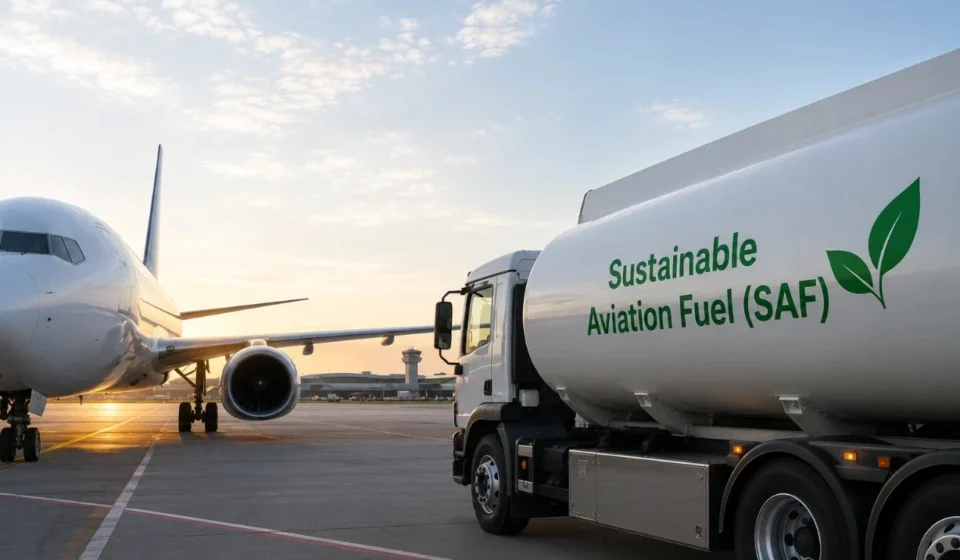

July 30, 2026 marks a defining moment for commercial aviation as international regulators agreed on binding requirements that will steadily increase the percentage of Sustainable Aviation Fuel, commonly known as SAF, used on commercial routes before the decade concludes. We are watching one of the most ambitious environmental commitments ever adopted by the aviation sector, a move that seeks to reduce carbon emissions while preserving the global connectivity that millions of travelers and businesses depend upon every day.
The agreement introduces mandatory timelines rather than voluntary targets, signaling that airlines, fuel producers, airports, and aircraft manufacturers must now prepare for measurable compliance. The aviation industry has spent years discussing cleaner flight technologies, but this decision shifts the conversation from aspiration to implementation.
What the new Sustainable Aviation Fuel mandate means
The latest aviation alliance framework requires commercial carriers operating across international routes to progressively increase SAF blending levels over the coming years. While individual jurisdictions may establish specific compliance procedures, the central objective is clear. Every participating airline must incorporate larger portions of sustainable fuel into conventional jet fuel supplies before the end of the decade.
Sustainable Aviation Fuel is produced from renewable and lower carbon feedstocks, including agricultural waste, used cooking oils, municipal waste, and other certified biological or synthetic sources. Unlike traditional jet fuel, SAF can significantly reduce lifecycle greenhouse gas emissions while remaining compatible with many existing aircraft engines and airport fueling systems.
Because SAF functions as a drop in replacement when blended with conventional aviation fuel, airlines can adopt it without redesigning their current fleets. This compatibility has made it one of the most practical near term strategies for reducing aviation emissions.
Why regulators are moving from voluntary goals to binding rules
For years, airlines announced environmental pledges while governments introduced incentive programs and research funding. Progress, however, varied widely across regions. Some carriers expanded SAF purchases, while others struggled with limited supplies and higher operating costs.
The new agreement reflects growing concern that voluntary commitments alone cannot produce the scale of emissions reductions needed to support international climate objectives. By establishing mandatory milestones, regulators hope to create greater certainty for investors, fuel producers, and infrastructure developers.
Predictable demand often encourages long term investment. Fuel producers can justify expanding refining capacity when airlines are legally required to purchase increasing volumes of SAF. Airports may also invest more confidently in storage and distribution facilities designed for sustainable fuel blends.
Airlines face opportunities alongside financial challenges
Commercial airlines have broadly acknowledged the importance of cleaner aviation, yet many executives continue to warn about the financial realities of large scale SAF adoption. Sustainable fuels remain more expensive than conventional jet fuel, largely because production volumes remain relatively limited.
Higher operating costs may influence airline budgeting, fleet planning, and ticket pricing over the next several years. Many carriers are expected to seek greater operational efficiency, expand fuel saving technologies, and strengthen partnerships with sustainable fuel suppliers.
Industry analysts believe larger production facilities and increased market competition could gradually reduce SAF prices. Mandatory demand may accelerate that process by giving producers greater confidence to invest in expanded manufacturing capacity.
- Airlines must secure reliable long term fuel supply agreements.
- Fuel producers will likely increase investment in new production facilities.
- Airports may modernize storage and fueling infrastructure.
- Aircraft manufacturers are expected to continue testing higher SAF compatibility levels.
Passengers may notice gradual changes rather than dramatic ones
Most travelers will likely experience few visible differences during their journeys. Aircraft cabins, flight schedules, baggage procedures, and onboard services are expected to remain largely unchanged.
The primary changes will occur behind the scenes through airport fuel logistics, airline procurement strategies, and sustainability reporting. Some carriers may highlight their SAF usage during ticket booking or corporate travel reporting, particularly for businesses tracking environmental performance.
Corporate customers increasingly request verified emissions information as organizations work toward broader sustainability commitments. Airlines capable of documenting certified SAF usage may find new opportunities within the business travel market.
Fuel production becomes the next critical challenge
Meeting mandatory blending targets will depend heavily on expanding global SAF production. Current manufacturing capacity remains insufficient to satisfy projected international demand, making investment in new facilities one of the industry’s highest priorities.
Governments, private investors, and energy companies are expected to play central roles in developing additional refining plants, advancing synthetic fuel technologies, and improving supply chain resilience.
Feedstock availability also remains an important consideration. Sustainable production depends on responsible sourcing that avoids competition with food supplies while maintaining strict environmental certification standards.
Environmental experts welcome stronger accountability
Climate researchers have consistently identified aviation as one of the more difficult sectors to decarbonize because long distance aircraft require high energy density fuels that batteries currently cannot provide for most commercial operations.
SAF does not eliminate aircraft emissions entirely, yet it represents one of the most mature solutions available for reducing lifecycle carbon output from existing fleets. Many environmental specialists view mandatory blending requirements as an essential step while future technologies continue to mature.
Research into hydrogen powered aircraft, advanced electric propulsion, and next generation engine designs continues, though widespread commercial deployment remains several years away.
International cooperation will determine long term success
The effectiveness of the agreement will depend on consistent cooperation among governments, airlines, airports, energy producers, and international aviation organizations. Shared standards can reduce market uncertainty while encouraging broader investment across multiple regions.
Global aviation relies on coordinated rules because aircraft routinely cross national borders during a single journey. Consistent fuel standards help operators maintain efficiency while supporting international safety and environmental objectives.
Organizations such as the International Civil Aviation Organization and the International Air Transport Association are expected to remain central participants as implementation progresses and compliance frameworks evolve.
Looking toward the end of the decade
We see this agreement as more than another environmental policy announcement. It represents a structural shift in how the aviation industry approaches fuel procurement, operational planning, and long term investment. Mandatory Sustainable Aviation Fuel blending creates obligations that extend across every level of commercial aviation, from energy producers to international airlines and airport operators.
Challenges remain significant. Production capacity must expand, supply chains require modernization, and costs will continue to influence business decisions. Even so, the introduction of binding timelines provides a clearer direction for an industry seeking practical methods to reduce its environmental footprint without sacrificing the global mobility that supports commerce, tourism, emergency response, and personal connections.
As airlines begin implementing these requirements, the coming years will reveal how effectively governments and industry leaders can balance economic realities with environmental responsibility. The success of this initiative could shape the future of sustainable air travel for decades beyond the current timeline.