

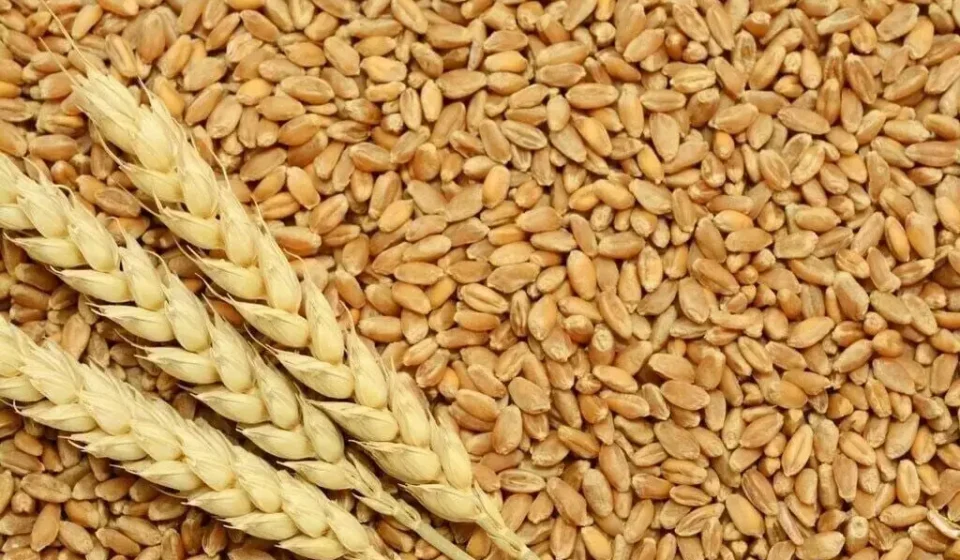

A decision to authorize emergency imports of one million metric tonnes of wheat marks one of the most significant food security interventions of the year. Announced on July 28, 2026, the measure comes after officials warned that domestic grain reserves had fallen to critically low levels, raising concerns about food availability, rising grocery prices, and the growing pressure on households already coping with economic hardship. The move also reflects the wider consequences of subsidy reforms linked to International Monetary Fund agreements, which have reshaped agricultural support systems across several regions.
For many families, wheat is more than a commodity. It is the foundation of daily meals, local traditions, and household stability. Empty storage facilities and tightening supplies have created anxiety among farmers, millers, retailers, and consumers alike. By approving emergency imports, policymakers hope to stabilize supplies before shortages become more severe while creating enough time for domestic production to recover.
Why authorities moved quickly to secure additional wheat supplies
Food reserve systems are designed to absorb unexpected shocks, whether they arise from poor harvests, weather extremes, supply chain disruptions, or economic instability. Officials indicated that reserve levels had fallen well below comfortable operating thresholds, leaving limited room to respond if another disruption occurred.
The authorization of one million metric tonnes of imported wheat is intended to replenish strategic grain stocks while ensuring flour mills continue operating without interruption. The objective is not only to maintain supplies for consumers but also to reduce panic buying and discourage speculative price increases that often accompany reports of declining inventories.
Food economists frequently point out that reserve management becomes especially important during periods of inflation. Stable inventories provide governments with flexibility to release grain into the market whenever prices begin rising too rapidly, helping soften the impact on lower income households.
IMF related subsidy reforms remain part of the broader economic picture
Officials acknowledged that the grain shortage cannot be viewed separately from ongoing economic reforms connected to International Monetary Fund programs. Subsidy reductions have been introduced in several sectors as governments attempt to improve public finances, reduce budget deficits, and strengthen long term economic stability.
While such reforms are often intended to improve fiscal sustainability, they may also create short term challenges for agriculture. Farmers can face higher production costs when fuel, fertilizer, electricity, or irrigation support becomes more limited. These additional expenses may discourage planting, reduce yields, or increase food prices passed along the supply chain.
The International Monetary Fund has consistently argued that well designed reforms should be accompanied by targeted protections for vulnerable populations. Policymakers therefore face the difficult task of balancing fiscal responsibility with the need to preserve affordable access to essential foods.
Regional communities could experience different outcomes
The impact of emergency wheat imports is unlikely to be identical across every region. Areas that rely heavily on commercial flour distribution may see relatively quick improvements once imported grain reaches processing facilities. Rural communities that depend more directly on local harvests may continue experiencing challenges if domestic production remains weak.
Transportation networks will also influence how quickly supplies reach wholesale markets and neighborhood retailers. Delays at ports, rail terminals, or storage facilities could temporarily slow distribution even after imported shipments begin arriving.
Agricultural experts note that food security involves much more than importing grain. Storage capacity, logistics planning, milling efficiency, and retail distribution all contribute to whether consumers actually experience stable prices and consistent product availability.
Consumers remain focused on grocery prices
Many households have already adjusted shopping habits because of persistent inflation. Bread, flour, pasta, and other wheat based staples represent a significant share of monthly food budgets. Any interruption in supply can quickly ripple through family finances.
Authorities hope that increasing available wheat supplies will help reduce upward pressure on prices. Market analysts caution, however, that international grain prices, shipping costs, currency movements, and local transportation expenses will continue influencing what consumers ultimately pay.
If global commodity markets remain relatively stable, emergency imports could prevent sharper price increases during the coming months. If international prices climb unexpectedly, governments may still face pressure to consider additional market interventions.
Farmers continue balancing immediate pressures with future planting decisions
Domestic producers are watching the policy response carefully. Emergency imports can help consumers by preventing shortages, yet farmers also want confidence that local production will remain competitive once imported grain enters the market.
Many producers continue dealing with higher input expenses, changing weather conditions, financing challenges, and uncertainty surrounding future agricultural policies. Long term food security depends on maintaining a healthy farming sector capable of meeting a substantial share of national demand.
Industry representatives have repeatedly argued that investment in irrigation, improved seed varieties, storage infrastructure, and agricultural research may produce stronger long term results than relying solely on emergency imports during periods of crisis.
Global food markets remain interconnected
The decision highlights how closely national food systems are connected to international markets. A production shortfall in one country can increase demand elsewhere, while weather events on another continent can influence prices thousands of miles away.
The Food and Agriculture Organization of the United Nations continues to monitor global grain production, trade flows, and food price trends as governments respond to changing agricultural conditions. International cooperation often becomes particularly valuable during periods when several countries face supply pressures at the same time.
Importing grain offers immediate relief, but dependence on overseas markets can expose countries to shipping disruptions, geopolitical tensions, and fluctuations in international commodity prices. Diversifying supply sources therefore remains an important element of risk management.
What happens next
The success of the emergency import program will depend on efficient procurement, timely shipping, rapid customs processing, and effective distribution throughout the national food system. Officials are expected to monitor reserve levels closely while assessing whether additional purchases become necessary later in the year.
Economic policymakers will also continue evaluating how subsidy reforms interact with agricultural production, food affordability, and rural livelihoods. Many analysts believe future policy discussions will focus on finding a sustainable balance between fiscal discipline and maintaining reliable access to affordable staple foods.
For consumers, the immediate priority remains straightforward. Families want grocery shelves stocked, prices kept within reach, and confidence that essential foods will remain available despite broader economic adjustments. The authorization of one million metric tonnes of wheat imports represents an effort to restore that confidence while buying valuable time for longer term agricultural and economic solutions to take shape.