

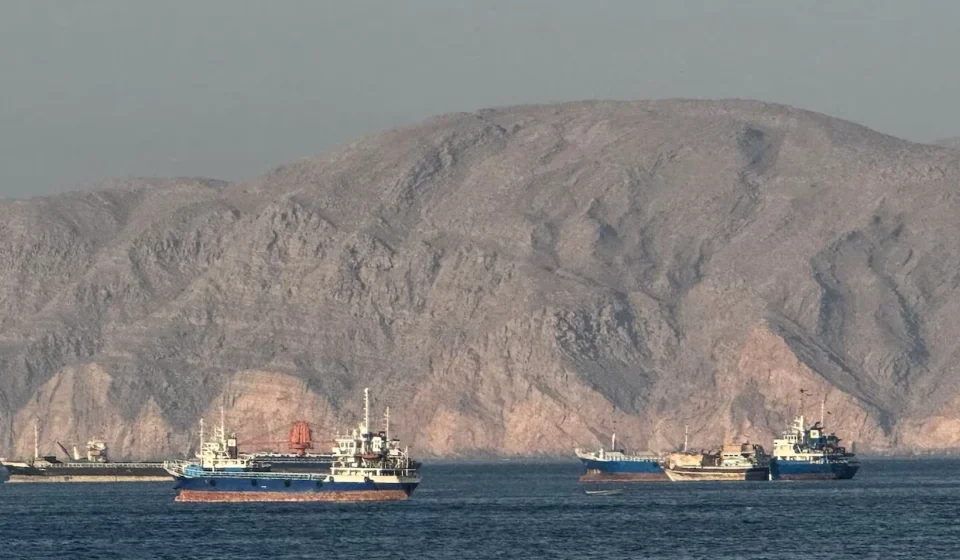

August 5, 2026 marks a significant diplomatic moment as the United States and Iran entered Oman mediated negotiations focused on protecting maritime transit through the Strait of Hormuz. The discussions arrive at a time when commercial shipping companies, energy markets, regional governments, and millions of consumers are watching closely. The narrow waterway carries a substantial share of the world’s oil and liquefied natural gas exports, making stability in the area essential for global trade. We have seen diplomatic channels narrow and reopen many times over the years, but this latest effort reflects a shared recognition that preventing military confrontation serves the interests of both regional security and the international economy.
Why the Strait of Hormuz Matters to the Global Economy
The Strait of Hormuz is one of the most strategically important maritime passages on Earth. Connecting the Persian Gulf with the Gulf of Oman and the Arabian Sea, it serves as a gateway for energy shipments bound for Asia, Europe, and North America. Any disruption to commercial navigation can ripple across international supply chains, influencing fuel prices, manufacturing costs, transportation expenses, and consumer spending.
Shipping companies operating through the corridor rely on predictable conditions. Tankers transporting crude oil, refined petroleum products, and liquefied natural gas move through the channel every day. Even the perception of increased security risks can affect insurance premiums, shipping schedules, and freight rates, creating financial consequences that extend well beyond the Middle East.
Readers seeking background on the strategic importance of this maritime route can explore information provided by the U.S. Energy Information Administration, which regularly publishes research on global energy transportation.
Oman Continues Its Role as a Trusted Diplomatic Bridge
Oman has earned a reputation for maintaining open communication with governments that often struggle to engage directly with one another. Its longstanding policy of balanced regional diplomacy has positioned the country as a respected facilitator during periods of heightened tension.
Rather than acting as a participant with competing objectives, Oman has frequently provided neutral ground where difficult conversations can begin. That approach has proven valuable in previous diplomatic initiatives involving regional security, humanitarian concerns, and broader international negotiations.
Officials familiar with the diplomatic process often describe successful mediation as a gradual effort built upon confidence building rather than dramatic public announcements. The current talks appear consistent with that tradition.
Key Goals of the Maritime Security Discussions
Although negotiators have released limited public details, the central objectives are widely understood.
- Protect freedom of commercial navigation through the Strait of Hormuz.
- Reduce the risk of accidental military encounters at sea.
- Improve communication during maritime incidents.
- Support regional stability while protecting international trade.
- Create conditions that discourage further escalation.
These priorities reflect concerns shared by governments, shipping operators, insurers, and energy companies that depend upon uninterrupted maritime commerce.
Economic Stakes Extend Far Beyond the Region
The consequences of instability in the Strait of Hormuz are rarely confined to neighboring countries. Oil markets react quickly to geopolitical uncertainty because traders anticipate possible interruptions to future supplies. Even without an actual disruption, expectations alone can contribute to price volatility.
Consumers may eventually experience higher transportation costs, increased airline ticket prices, and more expensive manufactured goods if shipping expenses rise for a sustained period. Businesses dependent upon international logistics also monitor developments closely because shipping delays can affect production schedules and inventory planning.
Financial markets often treat maritime security developments as indicators of broader geopolitical risk. Investors therefore pay close attention not only to military activity but also to diplomatic progress that could reduce uncertainty.
Regional Security Remains a Shared Concern
The Persian Gulf has experienced periods of heightened tension involving naval patrols, commercial vessels, and regional military forces. Such situations carry the possibility of miscalculation even when governments seek to avoid direct conflict.
Diplomatic engagement provides an opportunity to establish practical communication channels that can reduce misunderstandings during rapidly developing situations. Military planners frequently acknowledge that clear communication can prevent isolated incidents from expanding into wider confrontations.
For neighboring Gulf states, maritime security affects national economies, port operations, tourism, energy exports, and foreign investment. Stability therefore serves multiple interests beyond the immediate participants in the negotiations.
International Shipping Industry Watches Every Development
Commercial shipping organizations continue monitoring the talks because operational planning depends upon reliable risk assessments. Vessel operators routinely evaluate navigation advisories, insurance requirements, crew safety considerations, and routing decisions.
If diplomatic progress lowers perceived security risks, shipping companies could benefit from greater operational certainty. Conversely, prolonged uncertainty may encourage additional precautionary measures that increase transportation costs.
International maritime standards and navigational guidance are available through the International Maritime Organization, whose work supports safe and secure shipping around the world.
Diplomacy Often Advances Through Incremental Progress
Experienced negotiators rarely expect complex geopolitical disputes to produce immediate breakthroughs. Initial meetings often focus on identifying common interests, clarifying concerns, and creating procedures for continued communication.
The current discussions surrounding maritime transit may therefore represent only the first phase of a longer diplomatic process. Confidence building measures can gradually create opportunities for broader conversations if both sides perceive tangible benefits from continued engagement.
History demonstrates that maritime security agreements sometimes succeed because they concentrate on practical operational issues rather than attempting to resolve every political disagreement simultaneously.
Potential Outcomes for Global Markets
Energy analysts, shipping specialists, and international businesses will evaluate several indicators as negotiations continue. Positive developments could contribute to calmer financial markets and greater confidence among commercial operators. Limited progress may still prove valuable if it reduces the likelihood of unintended confrontation.
Observers will likely monitor official statements for evidence of continuing dialogue, communication mechanisms between maritime authorities, and commitments supporting safe commercial navigation. Each of these developments could influence market expectations even before formal agreements are completed.
Looking Ahead
The Oman mediated discussions between the United States and Iran represent more than another diplomatic meeting. They reflect recognition that maritime security affects households, businesses, and economies across the globe. Safe passage through the Strait of Hormuz supports energy supplies, international commerce, and broader regional stability.
We will continue watching how these negotiations develop in the coming days. While significant differences remain between Washington and Tehran, sustained dialogue offers an opportunity to reduce immediate tensions and protect one of the world’s most vital shipping corridors. Whether the talks ultimately produce formal agreements or simply establish stronger communication, their outcome will be closely followed by governments, financial markets, and industries whose daily operations depend upon secure and uninterrupted maritime trade.