

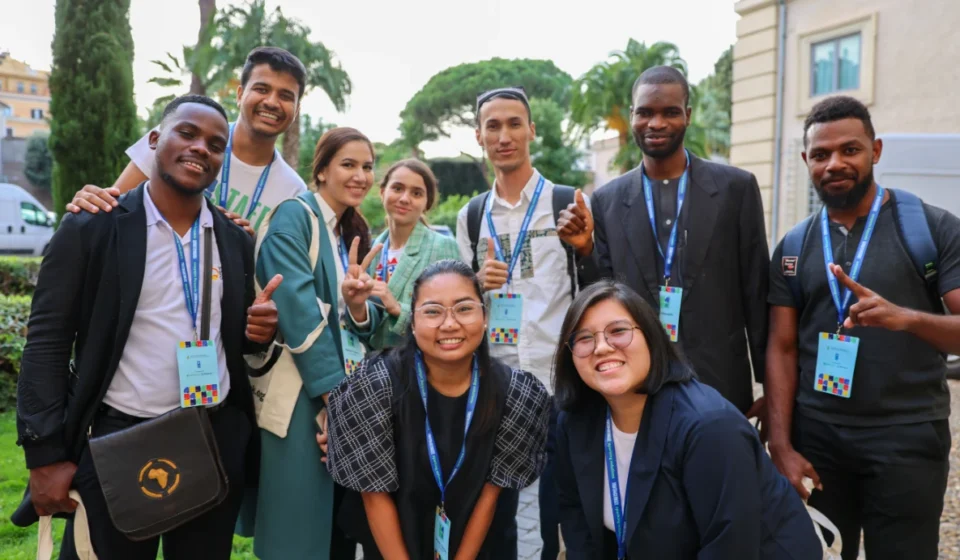

Young people with bold ideas for protecting the environment are receiving a significant boost as municipalities and educational boards, supported by Bloomberg Philanthropies, expand the Global Youth Climate Action Fund with new grant opportunities. The initiative, announced on July 28, 2026, invites students and youth organizations across the world to submit proposals focused on environmental research, community sustainability, climate education, and practical local solutions. For many students, the announcement represents more than financial support. It offers a chance to turn classroom learning into meaningful action that can improve neighborhoods, schools, and ecosystems.
A Wider Door Opens for Youth Climate Leadership
The expanded application portals reflect growing confidence that young people are capable of developing creative responses to climate challenges when they receive meaningful resources. Municipal governments and educational authorities increasingly recognize that students often understand the environmental issues affecting their own communities because they experience them firsthand, whether that means hotter summers, flooding, poor air quality, water shortages, or declining green spaces.
The latest funding round encourages applicants to move beyond theoretical discussions by proposing projects with measurable local impact. Student researchers may investigate biodiversity, urban heat, water conservation, renewable energy adoption, sustainable transportation, or waste reduction. Schools can also propose educational initiatives that encourage environmental literacy and community participation.
The expansion signals a broader shift in climate policy. Rather than limiting decisions to government agencies and scientific institutions, more public programs are inviting young citizens to become active contributors to environmental planning.
What Types of Projects Could Receive Funding
The Global Youth Climate Action Fund supports a broad range of initiatives that combine education with practical environmental outcomes. Successful proposals often demonstrate clear community benefits, realistic planning, and opportunities for collaboration between students, educators, researchers, and local governments.
- Student led climate research projects.
- School sustainability programs focused on reducing waste and energy use.
- Urban tree planting and habitat restoration efforts.
- Water conservation and local watershed monitoring.
- Community recycling education campaigns.
- Climate resilience planning for neighborhoods.
- Citizen science projects involving environmental data collection.
Organizers hope these investments will generate ideas that remain valuable long after the initial funding period ends, creating lasting partnerships between schools and local communities.
Bloomberg Philanthropies Continues Supporting Local Climate Solutions
Bloomberg Philanthropies has supported numerous environmental initiatives that strengthen local climate action while encouraging innovation at the city level. The organization has frequently partnered with municipal leaders to improve public health, reduce emissions, and strengthen resilience against climate related risks.
By expanding grant opportunities specifically for youth led projects, the program reflects the belief that future environmental leadership begins long before students enter professional careers. Many successful environmental scientists, engineers, conservation specialists, and policymakers first developed their interests through local volunteer work or school research initiatives.
Additional information about global climate initiatives and local government partnerships is available through Bloomberg Philanthropies, which continues supporting collaborative environmental programs around the world.
Students Are Bringing Fresh Ideas to Complex Environmental Problems
Young researchers often approach environmental issues with curiosity that crosses traditional academic boundaries. A single project might combine biology, engineering, economics, geography, and public policy while also involving community volunteers. This multidisciplinary thinking has become increasingly valuable as climate challenges affect nearly every aspect of daily life.
Teachers frequently observe that students become more engaged when they investigate issues affecting places they know personally. Measuring temperatures around school buildings, monitoring local streams, mapping neighborhood trees, or studying pollinator populations allows students to connect scientific methods with visible community outcomes.
Those experiences can also strengthen communication skills as participants present findings to local officials, residents, and fellow students.
Education Becomes Action Beyond the Classroom
Environmental education has steadily expanded beyond textbooks into real world problem solving. Schools participating in sustainability programs increasingly encourage students to conduct field observations, analyze data, and recommend practical improvements.
Many educators believe these experiences produce lasting educational benefits because students see direct connections between scientific concepts and everyday decisions. Instead of simply learning about climate systems, participants examine energy consumption inside school buildings, evaluate transportation choices, or develop strategies to reduce food waste in cafeterias.
Such projects also introduce students to collaboration, budgeting, public speaking, and project management, skills that remain valuable regardless of future career paths.
Municipalities Gain New Partners in Environmental Planning
City governments often face limited resources while addressing growing environmental pressures. Youth participation can provide valuable local observations and fresh perspectives that complement professional planning efforts.
Student research can contribute useful information about neighborhood conditions, public awareness, or environmental behavior. While professional scientists continue leading large scale studies, community based youth projects can help identify issues requiring further investigation.
This collaborative approach creates opportunities for municipalities to strengthen relationships with schools while encouraging civic participation among younger residents.
Why Youth Voices Matter in Climate Conversations
Climate change affects generations differently, yet younger people are expected to experience many of its longest lasting consequences. Providing students with opportunities to contribute meaningful research acknowledges their stake in future environmental decisions.
Youth participation also strengthens public engagement by encouraging families, teachers, community organizations, and local leaders to work toward shared environmental goals. When students present research findings or organize community events, conversations often extend beyond school campuses into homes and neighborhoods.
These experiences can inspire broader public interest in conservation, sustainable development, and environmental stewardship.
Global Collaboration Continues Expanding
The international nature of the expanded funding program creates opportunities for students from different countries to exchange ideas while addressing challenges unique to their regions. A coastal community studying sea level changes may learn from another region improving flood resilience, while schools facing drought conditions can compare water conservation strategies with international partners.
Educational collaboration also strengthens scientific understanding by exposing students to different ecosystems, cultures, and policy approaches.
Global climate education resources, research tools, and educational materials remain available through organizations such as the United Nations Educational, Scientific and Cultural Organization, which supports sustainability education across many countries.
Looking Ahead
The expansion of the Global Youth Climate Action Fund arrives at a moment when communities worldwide continue searching for practical environmental solutions that balance scientific knowledge with local experience. Giving students access to research funding recognizes that meaningful ideas can emerge from classrooms, community centers, and youth organizations just as readily as from established institutions.
Whether participants investigate cleaner water, healthier forests, safer neighborhoods, or stronger climate resilience, the expanded grants create opportunities for young people to contribute tangible solutions while developing the skills needed to guide future environmental progress. Their work may begin with a school project or neighborhood initiative, yet its influence could extend far beyond campus boundaries, helping communities build a more sustainable future through informed action and shared responsibility.