

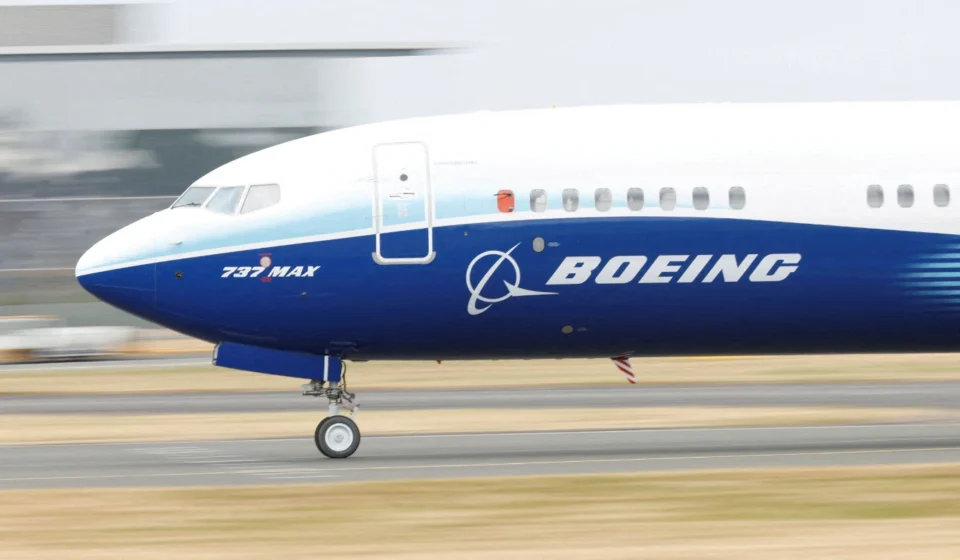

Global attention is turning toward the aerospace industry once again as Boeing prepares to present an ambitious collection of aviation technologies before one of the sector’s most influential international gatherings. The company has outlined plans to spotlight advanced battery storage systems, alternative propulsion concepts, sustainable manufacturing techniques, and future aircraft innovations that reflect the growing demand for cleaner, more efficient air travel. The announcement arrives at a time when governments, airlines, suppliers, and investors are looking for practical solutions that can reduce aviation’s environmental footprint without compromising safety or performance.
Boeing Signals a Broader Vision for the Future of Flight
The aerospace sector has entered a period where engineering excellence must coexist with environmental responsibility. Commercial aviation continues to connect economies and communities across the globe, yet the industry also faces mounting pressure to lower emissions while supporting increasing passenger demand. Boeing’s planned showcase ahead of the Farnborough gathering demonstrates that future aircraft development is no longer measured solely by speed, capacity, or range. Energy efficiency, cleaner propulsion, recyclable materials, and smarter manufacturing have become equally important benchmarks.
Company representatives indicated that visitors can expect to see technologies designed for both near term commercial applications and longer horizon research initiatives. Rather than presenting isolated inventions, Boeing appears focused on demonstrating how multiple technologies can work together to create a more sustainable aviation ecosystem.
Advanced Battery Storage Moves Closer to Aviation Applications
Battery technology has become one of the most closely watched areas of aerospace research. Modern aircraft require energy systems capable of delivering high power while maintaining strict safety standards under demanding operating conditions. Improvements in energy density, thermal management, and battery durability continue to expand possibilities for future aircraft designs.
Boeing plans to highlight advances in battery storage that could support electric subsystems, hybrid propulsion architectures, and emerging aviation platforms. While fully electric commercial airliners capable of serving long distance routes remain a future objective, incremental improvements in onboard electrical systems can already contribute to lower fuel consumption and improved operational efficiency.
Researchers across the aviation industry continue to examine battery technologies that can withstand extreme temperature variations while delivering consistent performance over thousands of charging cycles. Those advances could influence regional aviation, urban air mobility, cargo operations, and future military applications.
Alternative Propulsion Continues to Gain Industry Momentum
Another central theme of Boeing’s presentation involves propulsion systems that move beyond traditional jet fuel dependence. Engineers around the world are actively studying hydrogen powered aircraft, hybrid electric systems, sustainable aviation fuels, and other energy sources capable of reducing greenhouse gas emissions.
Each pathway presents unique engineering challenges. Hydrogen offers promising environmental benefits but requires new storage solutions and airport infrastructure. Hybrid electric propulsion could improve efficiency for shorter routes, while sustainable aviation fuels provide one of the most immediate opportunities because they can often be integrated into existing aircraft with fewer operational changes.
The company’s participation reflects a wider industry effort involving manufacturers, airlines, fuel producers, regulators, and research institutions working toward practical decarbonization strategies.
Readers interested in broader sustainable aviation research can explore ongoing initiatives through the International Civil Aviation Organization environmental programs, which provide insight into global efforts aimed at reducing aviation emissions.
Green Manufacturing Is Becoming Just as Important as Aircraft Performance
Aircraft manufacturing itself has become an increasingly important part of sustainability planning. Producing cleaner airplanes carries greater value when factories also reduce waste, conserve energy, and improve resource efficiency.
Boeing’s upcoming showcase is expected to feature manufacturing innovations designed to reduce environmental impact throughout production. These efforts may include more efficient factory operations, increased recycling of industrial materials, digital manufacturing techniques that minimize waste, and production methods that consume fewer natural resources.
Digital engineering also allows manufacturers to simulate production processes before physical construction begins. This capability helps engineers identify inefficiencies earlier, lowering costs while reducing unnecessary material consumption.
Why Farnborough Remains One of Aviation’s Most Influential Events
The Farnborough aerospace gathering has long served as a meeting place where commercial aviation leaders, defense organizations, technology companies, suppliers, and government officials exchange ideas that shape the industry’s direction. New aircraft concepts, research partnerships, investment announcements, and technological breakthroughs frequently emerge from discussions held during the event.
For Boeing, presenting its latest sustainability initiatives before this international audience provides an opportunity to demonstrate progress while engaging with customers seeking long term fleet solutions.
The event also gives competing manufacturers, startup innovators, universities, and government agencies an opportunity to compare approaches toward achieving similar environmental goals. Although competition remains intense, many sustainability challenges require industry wide collaboration.
Airlines Are Looking Beyond Traditional Performance Metrics
Modern airline purchasing decisions increasingly involve environmental considerations alongside operating costs, maintenance requirements, passenger comfort, and fleet flexibility.
Many carriers have announced ambitious carbon reduction targets extending into the coming decades. Those commitments influence decisions involving aircraft procurement, sustainable fuel adoption, operational efficiency, and infrastructure investment.
As a result, manufacturers are under growing pressure to provide technologies that support measurable improvements rather than theoretical concepts alone. Airlines want solutions capable of fitting within existing operational realities while preparing fleets for future regulatory expectations.
- Greater fuel efficiency remains a major financial priority.
- Lower lifecycle emissions influence long term investment planning.
- Improved maintenance efficiency can reduce operational disruptions.
- Compatibility with future energy technologies provides additional flexibility.
Research Partnerships Continue Driving Aerospace Innovation
No single manufacturer can independently solve every engineering challenge associated with sustainable aviation. Universities, government laboratories, suppliers, energy companies, software developers, and international regulators all contribute expertise that accelerates technological progress.
Boeing has historically collaborated with numerous research organizations across multiple scientific disciplines, including materials science, digital engineering, propulsion, manufacturing, and advanced flight systems. Such partnerships allow promising laboratory discoveries to gradually mature into commercially viable technologies.
Many aviation sustainability efforts also depend upon global regulatory cooperation. Organizations responsible for aircraft certification must carefully evaluate new propulsion systems, energy storage technologies, and manufacturing methods before they enter commercial service.
Additional information regarding international aviation standards and environmental policy development is available through the International Air Transport Association, whose resources outline many of the industry’s ongoing sustainability priorities.
Challenges Still Stand Between Innovation and Commercial Adoption
Although technological progress has accelerated significantly, several obstacles remain before many emerging aviation concepts become commonplace.
Battery technology continues to balance weight, capacity, charging speed, operating temperature, and safety requirements. Hydrogen infrastructure requires substantial investment at airports across multiple countries. Sustainable aviation fuel production must expand considerably to meet projected airline demand while remaining economically competitive.
Manufacturers also face the challenge of integrating new technologies into highly regulated environments where safety standards remain uncompromising. Every innovation must undergo rigorous testing before passengers ever board an aircraft equipped with new systems.
Despite these challenges, continued investment across the aerospace sector suggests that cleaner aviation remains a realistic long term objective rather than a distant aspiration.
Industry Outlook Points Toward Steady Progress Rather Than Overnight Change
The technologies Boeing plans to showcase illustrate an industry moving through gradual but meaningful change. Commercial aviation cannot replace decades of infrastructure overnight, yet every improvement in energy efficiency, manufacturing practices, propulsion research, and aircraft design contributes to broader environmental goals.
Passengers may not immediately notice many of these advances when boarding future flights, but quieter systems, lower emissions, smarter manufacturing, and more efficient operations can collectively reshape the aviation experience over time.
As aerospace leaders gather to exchange ideas and evaluate emerging technologies, Boeing’s presentation highlights an industry determined to balance continued global connectivity with responsible environmental stewardship. The coming years will reveal which innovations advance from engineering concepts to everyday commercial operations, but the direction is becoming increasingly clear. Sustainable aviation has become a defining priority for the next generation of flight.