

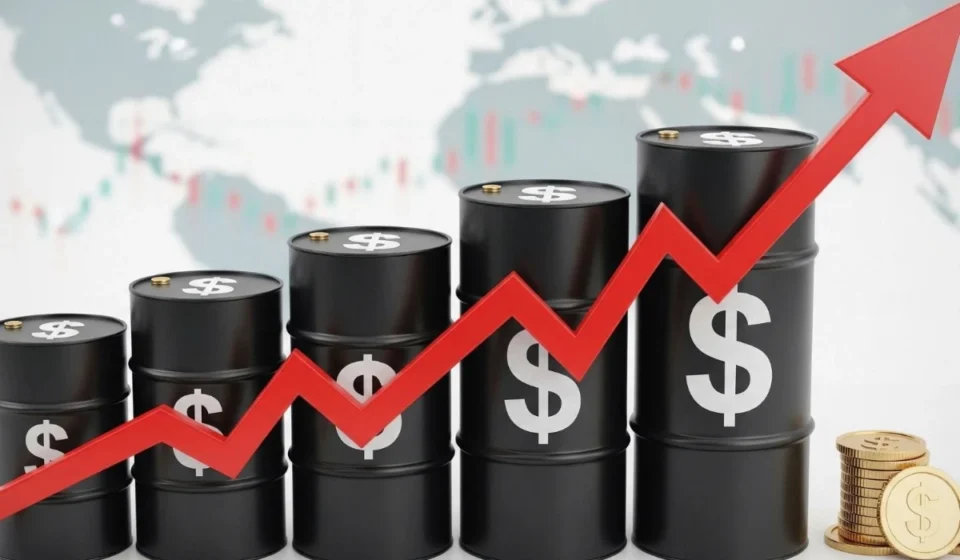

Oil markets jolted higher on July 17, 2026, as growing tensions around the Strait of Hormuz pushed global crude prices closer to the eighty five dollar mark. Reports of military activity and unconfirmed claims that naval mines may have been deployed near one of the world’s busiest shipping corridors sent traders scrambling to reassess supply risks. The rapid price movement reflects more than market speculation. It highlights how a narrow stretch of water remains central to the stability of the global economy, affecting everything from fuel costs to food prices and household budgets.
Why the Strait of Hormuz Matters to the World Economy
The Strait of Hormuz connects the Persian Gulf with the Gulf of Oman and the Arabian Sea. Despite its relatively narrow width, it serves as one of the most important maritime routes for global energy trade. A significant share of the world’s crude oil and liquefied natural gas passes through this channel each day, making it a strategic lifeline for producers and consumers alike.
Any disruption in this corridor can send immediate shockwaves through financial markets. Energy traders monitor developments in the region around the clock because even the possibility of reduced tanker traffic can tighten expected supplies and increase prices long before any physical shortage occurs.
Readers interested in the strategic role of this waterway can explore background information from the United States Energy Information Administration, which tracks major global oil transit routes.
Conflict Fuels Uncertainty Across Commodity Markets
The latest surge came after renewed geopolitical tensions and widespread reports suggesting that naval mines could threaten commercial shipping. While officials had not publicly confirmed every claim, financial markets reacted swiftly because uncertainty itself often carries a price.
Oil markets operate on expectations as much as current production levels. If shipping companies believe vessels face higher risks, insurance costs rise, shipping schedules change, and buyers begin securing supplies earlier than planned. Those decisions create additional upward pressure on crude prices.
Analysts noted that traders were pricing in the possibility of prolonged disruptions rather than responding solely to present conditions. Even if commercial traffic continues, the prospect of military escalation introduces another layer of risk that investors cannot easily ignore.
How Rising Oil Prices Reach Everyday Consumers
For many families, movements in global crude prices may appear distant until they arrive at local fuel stations or grocery stores. Energy influences nearly every part of the economy. Transportation companies depend on fuel to move goods, manufacturers require energy to produce products, and airlines face higher operating costs when jet fuel becomes more expensive.
As crude prices increase, businesses often pass part of those additional expenses to consumers. That can contribute to higher prices for groceries, household goods, airline tickets, and public transportation.
Central banks also monitor sustained increases in energy costs because they can complicate efforts to control inflation. Higher fuel prices may slow economic growth if consumers reduce spending in other areas to cover rising transportation and utility bills.
Shipping Companies Face Growing Operational Risks
Commercial shipping firms operating near the Strait of Hormuz must constantly evaluate security conditions. Tankers carrying millions of barrels of crude oil cannot simply reroute without major logistical consequences. Alternative shipping paths often involve longer voyages, increased fuel consumption, and additional costs.
Marine insurers typically respond quickly when geopolitical tensions increase. Insurance premiums for vessels traveling through conflict zones can climb sharply, adding another expense that eventually filters through the broader energy market.
Shipping operators may also reduce sailing frequency or delay departures while awaiting updated security assessments. These cautious decisions can slow deliveries even when production levels remain unchanged.
Major Oil Producing Nations Watch Events Closely
Countries throughout the Middle East supply a substantial portion of the world’s petroleum exports. Producers, refiners, and importing nations all have a shared interest in maintaining uninterrupted maritime trade.
Governments across Asia, Europe, and North America closely monitor developments because many economies rely heavily on stable energy imports. Strategic petroleum reserves provide temporary protection against sudden disruptions, yet prolonged instability would present more significant economic challenges.
International energy agencies regularly assess supply conditions and inventory levels to help governments prepare for unexpected market shocks. Current market attention remains focused on whether regional tensions ease or continue to build over the coming days.
Financial Markets React Beyond Oil
The impact of rising crude prices extends well beyond the energy sector. Stock markets often experience increased volatility during geopolitical crises, particularly when conflict threatens vital trade routes.
Airline shares may weaken because higher fuel expenses reduce profit margins. Manufacturing companies that depend on transportation can also come under pressure. Meanwhile, energy producers and some commodity related firms may benefit from stronger oil prices, depending on production costs and existing supply contracts.
Currency markets sometimes respond as well. Nations that export large volumes of oil can see stronger demand for their currencies, while countries heavily dependent on imports may face increased economic pressure.
Historical Lessons Show How Quickly Markets Can Change
The Strait of Hormuz has experienced periods of heightened tension before. Previous regional conflicts demonstrated that markets often react immediately to perceived threats, even when physical supplies continue moving.
History also shows that prices can retreat rapidly once shipping security improves or diplomatic progress reduces uncertainty. Because financial markets respond to changing expectations, developments on the ground can shift investor sentiment within hours.
Energy traders therefore pay close attention to official statements from governments, military authorities, shipping companies, and international organizations. Reliable information becomes especially valuable when rumors spread quickly during periods of conflict.
What Analysts Are Watching Next
Several key developments are expected to shape oil prices in the coming weeks.
- Security conditions affecting commercial tanker traffic through the Strait of Hormuz.
- Official confirmation or rejection of reports involving naval mines.
- Production decisions from major oil exporting countries.
- Global inventory levels and strategic petroleum reserve policies.
- Diplomatic efforts aimed at reducing regional tensions.
Market participants recognize that each of these factors could either calm or intensify volatility. Even modest changes in expectations may produce noticeable price swings as traders continually reassess future supply conditions.
Energy Security Returns to the Center of Global Discussion
The latest surge in crude prices serves as another reminder that energy security remains closely linked to geopolitical stability. Nations have spent years expanding renewable power, increasing domestic production, and diversifying supply chains, yet oil continues to play a central role in transportation, manufacturing, and international commerce.
Organizations such as the International Energy Agency continue to study how governments can strengthen energy resilience while managing the transition toward cleaner sources of power. Recent events demonstrate that traditional energy markets still have the ability to influence inflation, investment decisions, and economic confidence around the globe.
Outlook Remains Tied to Regional Stability
Oil approaching eighty five dollars per barrel reflects more than short term trading activity. It signals growing concern that prolonged instability around one of the world’s most important shipping routes could affect energy supplies far beyond the Middle East. Whether prices continue climbing or begin to stabilize will largely depend on security conditions in the Strait of Hormuz, the safety of commercial shipping, and the willingness of regional and international leaders to reduce tensions before temporary uncertainty develops into a longer lasting disruption.