

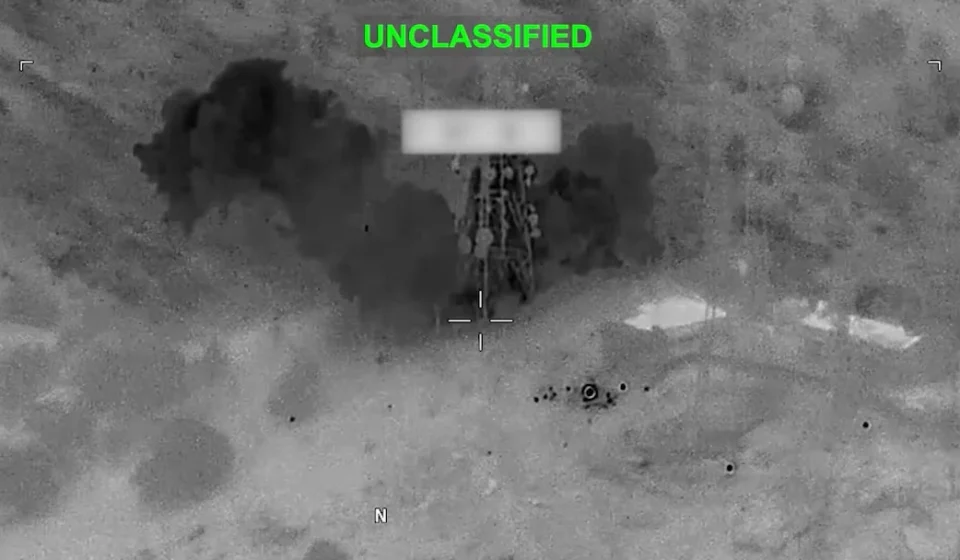

The United States carried out an eleventh consecutive night of military strikes across parts of the Middle East on July 22, 2026, marking another dramatic chapter in a conflict that has steadily widened through cycles of retaliation. American officials said the latest operations followed counterstrikes aimed at regional military assets and a commercial vessel navigating the Strait of Hormuz, one of the world’s most strategically significant shipping corridors. As military activity intensifies, the financial burden has climbed beyond $37 billion, raising pressing questions about regional stability, global energy markets, humanitarian risks, and the long term direction of United States policy.
The sound of aircraft overhead, the glow of explosions after sunset, and the uncertainty facing civilians have become recurring features across several areas affected by the conflict. Families continue monitoring news reports through sleepless nights while governments around the world weigh the growing consequences of a confrontation that now extends well beyond isolated military exchanges.
Eleven Consecutive Nights Reflect a Rapid Military Escalation
The latest round of strikes represents one of the most sustained periods of American military action in the region in recent years. Defense officials indicated that the operations targeted facilities believed to support hostile military capabilities after recent attacks threatened United States personnel, allied positions, and maritime traffic.
The pattern has become increasingly familiar. One side launches attacks, the other responds with larger military operations, and each exchange creates additional pressure for another response. Security analysts warn that this cycle increases the chance of miscalculation, especially in crowded airspace and strategically sensitive waterways.
Military planners continue describing the strikes as measured responses designed to reduce immediate threats rather than initiate a broader regional war. Even so, each additional night of combat makes diplomatic efforts more difficult and increases concern among neighboring countries that the conflict could spread further.
Why the Strait of Hormuz Remains at the Center of Global Attention
The Strait of Hormuz carries a substantial share of internationally traded crude oil and liquefied natural gas. Even isolated attacks on vessels moving through the passage can create ripple effects across financial markets, insurance costs, and energy prices.
Recent reports involving a vessel operating near the waterway renewed concerns about maritime security. Commercial shipping companies often respond to elevated threats by adjusting routes, increasing onboard security measures, or delaying departures. Each decision can increase transportation costs that eventually reach businesses and consumers around the world.
Readers seeking additional background about the strategic importance of the waterway can review information provided by the United States Energy Information Administration, which outlines the role of major global oil transit chokepoints.
Military Spending Continues to Rise Beyond $37 Billion
The reported cost of operations now exceeding $37 billion reflects more than airstrikes alone. Modern military campaigns require extensive logistics, intelligence gathering, surveillance systems, precision guided munitions, naval deployments, personnel support, equipment maintenance, and transportation across multiple theaters.
Economic specialists note that prolonged conflicts often generate additional indirect expenses that become visible only over time. These may include reconstruction assistance, expanded security commitments, increased veteran care, and higher operational readiness costs throughout the armed forces.
For lawmakers in Washington, the expanding financial commitment is likely to become a major topic during upcoming budget discussions. Members of Congress from both parties are expected to examine whether current objectives justify the growing expenditures while also evaluating potential diplomatic alternatives.
Regional Allies Face Difficult Security Choices
Countries throughout the Middle East continue balancing national security priorities with efforts to avoid becoming direct participants in a wider conflict. Governments hosting American military facilities have strengthened defensive measures while carefully managing public messaging to reduce domestic tensions.
At the same time, intelligence sharing and regional coordination have become increasingly important. Missile defense systems, surveillance aircraft, and naval patrols have all played larger roles as officials monitor possible threats against military installations, shipping lanes, and civilian infrastructure.
Several governments continue encouraging restraint through diplomatic channels even as security forces remain on heightened alert. This balancing act illustrates the difficult position facing partners that depend on regional stability for economic growth and national security.
Humanitarian Concerns Grow Alongside Military Operations
Every new exchange of fire carries consequences extending far beyond military targets. Communities living near areas of conflict often experience disrupted electricity, damaged infrastructure, interrupted education, and reduced access to medical care.
Aid organizations have repeatedly warned that prolonged instability places additional pressure on healthcare systems already coping with limited resources. Families forced to leave their homes may require emergency shelter, food assistance, and medical support while local economies struggle to function under persistent uncertainty.
Children remain among the most vulnerable during prolonged conflicts. Interrupted schooling, psychological stress, and displacement can leave lasting effects that continue long after military operations end.
Humanitarian principles governing armed conflict are outlined by the International Committee of the Red Cross, whose resources explain protections intended for civilians during periods of war.
Energy Markets Respond to Continued Instability
Global investors continue watching developments closely because military activity near major energy routes can influence commodity prices within hours. Traders often react not only to confirmed events but also to the possibility of future disruptions.
Higher shipping insurance premiums, increased naval escorts, and temporary rerouting of cargo vessels all contribute to greater transportation expenses. These additional costs may eventually affect fuel prices, manufacturing expenses, airline operations, and consumer goods across international markets.
Central banks and finance ministries are also monitoring inflation risks associated with sustained energy price volatility. Although markets have shown resilience during previous regional crises, prolonged uncertainty often produces broader economic consequences.
Diplomatic Efforts Continue Behind Closed Doors
Despite the visible military operations, diplomatic activity has not stopped. Officials from multiple countries continue holding discussions aimed at preventing additional escalation and preserving communication channels between rival governments.
History shows that many conflicts include periods during which military pressure and diplomatic negotiations occur simultaneously. Quiet conversations between intermediaries sometimes continue even while public statements appear uncompromising.
International observers believe that maintaining communication remains essential because misunderstandings during periods of heightened military activity can quickly produce unintended consequences. Even limited agreements regarding maritime safety or civilian protection may help reduce immediate risks.
Political Debate Intensifies Inside the United States
The expanding military campaign is expected to receive close scrutiny from elected officials, policy experts, and the American public. Questions surrounding strategic objectives, congressional oversight, long term financial commitments, and the conditions required for ending military operations are becoming increasingly prominent.
Supporters of the strikes argue that firm military responses are necessary to protect American personnel and maintain freedom of navigation through internationally significant waterways. Critics counter that repeated military exchanges risk drawing the United States into a deeper regional conflict with uncertain outcomes.
These debates are likely to shape future policy discussions as officials evaluate military effectiveness alongside diplomatic opportunities and broader national security priorities.
What Comes Next
No immediate indication suggests that tensions will ease quickly. Military forces across the region remain on high alert while intelligence agencies continue assessing potential threats. Shipping companies, energy producers, humanitarian organizations, and financial institutions are all preparing for multiple scenarios as uncertainty persists.
The eleventh consecutive night of United States strikes highlights how rapidly localized incidents can develop into broader regional confrontations with worldwide implications. Beyond the military objectives and financial costs lies a larger reality shared by millions of people whose daily lives are shaped by uncertainty, disrupted routines, and hopes that diplomacy can eventually succeed where force alone cannot.
Whether the coming days bring further military exchanges or renewed diplomatic momentum, the conflict has already demonstrated how interconnected global security, international commerce, and humanitarian welfare have become. Decisions made in command centers and government offices today will continue influencing regional stability and the international economy well into the future.