

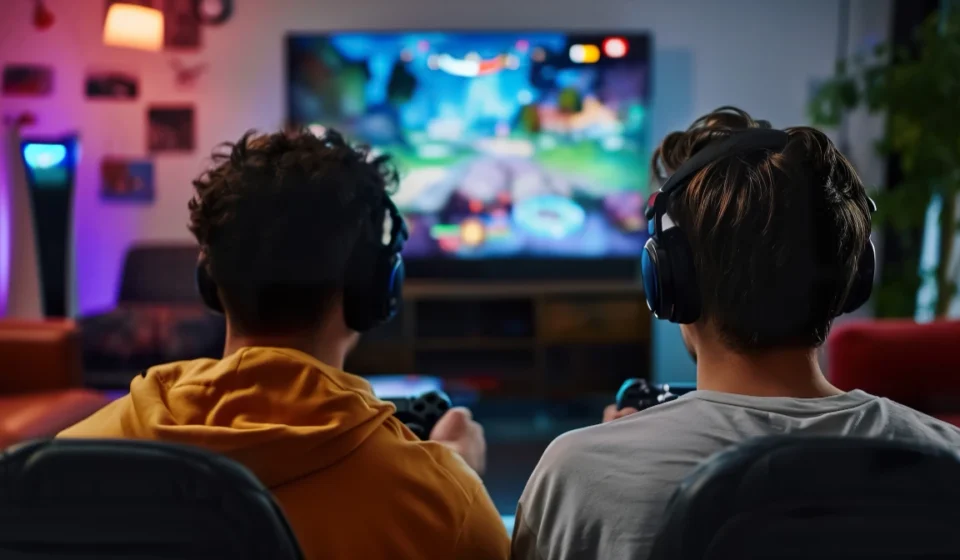

The sound of keyboard clicks, controller buttons, and animated conversations has become a familiar part of family life across the globe. For millions of children and teenagers, video games are places where friendships begin, creativity grows, and skills develop. Yet those same digital spaces continue to raise questions for parents, educators, and policymakers who want to balance entertainment with healthy development. On July 21, 2026, Games for Change introduced a new global research report in New York that seeks to move this conversation beyond fear and toward evidence, collaboration, and practical solutions for youth gaming well being.
The initiative, supported by several international gaming companies and researchers, presents a comprehensive framework designed to improve how families, developers, educators, and governments think about gaming. Rather than treating games solely as a source of concern or celebrating them without limits, the coalition encourages a balanced approach grounded in research, transparency, and the lived experiences of young people.
Why the report arrives at a pivotal moment
Gaming has become one of the largest forms of entertainment worldwide. Children now connect with classmates through cooperative adventures, build virtual worlds that encourage problem solving, and participate in competitive esports communities that demand communication and teamwork. These experiences often stretch beyond simple recreation, influencing learning, social relationships, and emotional development.
Parents, however, frequently find themselves navigating unfamiliar territory. Many grew up with far simpler gaming experiences and now face complex online ecosystems featuring multiplayer interaction, digital purchases, livestreams, and user generated content. This knowledge gap has created uncertainty about healthy screen habits, online safety, and appropriate involvement in a child’s digital life.
The Games for Change report argues that productive conversations begin when families receive reliable guidance instead of conflicting opinions. Its research framework is intended to create a shared language for discussing youth gaming across cultures, schools, and industries.
Moving beyond screen time alone
One of the strongest messages emerging from the report is that counting hours played offers only a partial picture of a young person’s gaming experience. Researchers suggest that the quality of gameplay, the nature of social interaction, and the emotional outcomes deserve equal attention.
A child spending an hour collaborating with classmates to solve challenges inside a cooperative game may have a very different experience from another spending the same amount of time exposed to toxic online behavior. Measuring only total playtime overlooks these important distinctions.
The coalition encourages families to ask questions that reach beyond clocks and calendars. What games does a child enjoy? Who are they playing with? What skills are they developing? How does gaming fit alongside school, physical activity, sleep, and family relationships?
The changing role of parents in digital childhood
The report places parents at the center of healthy gaming habits, not as constant monitors but as active partners. Researchers believe meaningful conversations often achieve more than strict restrictions imposed without explanation.
Parents who understand the appeal of popular games are often better equipped to discuss online etiquette, responsible spending, respectful communication, and emotional wellbeing. The report suggests that shared gaming experiences, even occasional ones, can open opportunities for trust and mutual understanding.
This approach reflects a broader shift in digital parenting. Rather than viewing technology as something children simply consume, experts increasingly encourage adults to participate in their digital lives through curiosity and conversation.
Practical recommendations highlighted by researchers
- Create family agreements that establish reasonable gaming routines.
- Discuss online friendships with the same openness applied to offline relationships.
- Review privacy settings and safety tools together.
- Balance gaming with physical activity, education, sleep, and social interaction.
- Encourage children to speak openly about uncomfortable online experiences.
Industry participation signals broader responsibility
The involvement of international gaming firms represents another notable aspect of the initiative. Major publishers and technology companies increasingly recognize that long term success depends not only on producing engaging entertainment but also on supporting healthier digital communities.
Industry participation can contribute valuable technical expertise, user data analyzed with appropriate privacy protections, and practical insight into how players interact with modern platforms. Developers also have opportunities to improve parental controls, strengthen moderation systems, and design features that encourage healthier play habits.
The report suggests that cooperation between researchers and developers can produce more effective guidance than isolated efforts. Academic research identifies trends while gaming companies possess real world experience operating large online communities.
Global perspectives matter
Gaming crosses national borders with remarkable ease. A teenager in Brazil may compete alongside teammates from Japan, Canada, Kenya, and Germany within the same virtual match. Because of this global reach, youth gaming experiences are influenced by cultural expectations, educational systems, internet access, and local regulations.
The Games for Change framework aims to provide flexible guidance that respects these regional differences while maintaining shared principles focused on child wellbeing, inclusion, and digital citizenship.
International collaboration also supports better research. Comparing findings across countries allows experts to identify common patterns as well as unique cultural influences that shape healthy gaming habits.
Gaming offers opportunities alongside challenges
Public conversations about gaming often focus on risks such as excessive use, cyberbullying, or inappropriate content. Those concerns remain important, yet researchers increasingly point toward positive outcomes that deserve equal attention.
Many games encourage strategic thinking, creative expression, teamwork, persistence, and communication. Educational titles introduce science, history, engineering, and mathematics through interactive exploration. Multiplayer experiences can help socially isolated young people build friendships that extend beyond the screen.
The report encourages balanced evaluation by acknowledging both opportunities and potential risks rather than presenting gaming through a single narrative.
Organizations including Games for Change have spent years exploring how interactive media can support education, social impact, and civic engagement through thoughtfully designed experiences.
Research based guidance could influence future policy
The framework may also shape future discussions among education leaders and government agencies responsible for child welfare and digital policy. Policymakers have increasingly searched for evidence based approaches instead of broad restrictions that fail to reflect the complexity of online experiences.
Reliable research can inform classroom technology policies, digital literacy programs, parental education initiatives, and industry standards. It may also encourage schools to recognize gaming as part of broader conversations about media literacy and responsible online participation.
Resources developed by organizations such as UNICEF continue to highlight the importance of creating digital environments where children can learn, play, and participate safely while protecting their rights.
Listening to young voices
Perhaps the most meaningful aspect of the coalition’s approach is its recognition that young people should not simply be subjects of research. They are active participants whose experiences provide valuable insight into how gaming communities function.
Teenagers understand the social dynamics of online play in ways that adults sometimes overlook. They recognize supportive communities as well as harmful behavior. Their perspectives can help researchers design recommendations that reflect everyday reality rather than theoretical assumptions.
By including youth voices alongside parents, educators, psychologists, developers, and policymakers, the report seeks to create recommendations that feel practical instead of prescriptive.
Building healthier gaming cultures together
The release of the Games for Change global report reflects a growing recognition that youth gaming wellbeing cannot be addressed by any single group acting alone. Families provide guidance at home. Schools strengthen digital literacy. Researchers contribute evidence. Developers build safer products. Policymakers establish supportive frameworks.
When these efforts work together, gaming can become more than entertainment. It can serve as a space for creativity, collaboration, learning, and meaningful social connection while reducing preventable harms.
The discussion surrounding youth gaming has matured considerably over the past decade. Rather than asking whether children should play games at all, the more useful question now focuses on how adults and industry leaders can help create healthier digital experiences. The Games for Change coalition hopes its new research framework will encourage exactly that conversation, replacing uncertainty with informed partnership and placing the wellbeing of young players at the center of future gaming practices.