
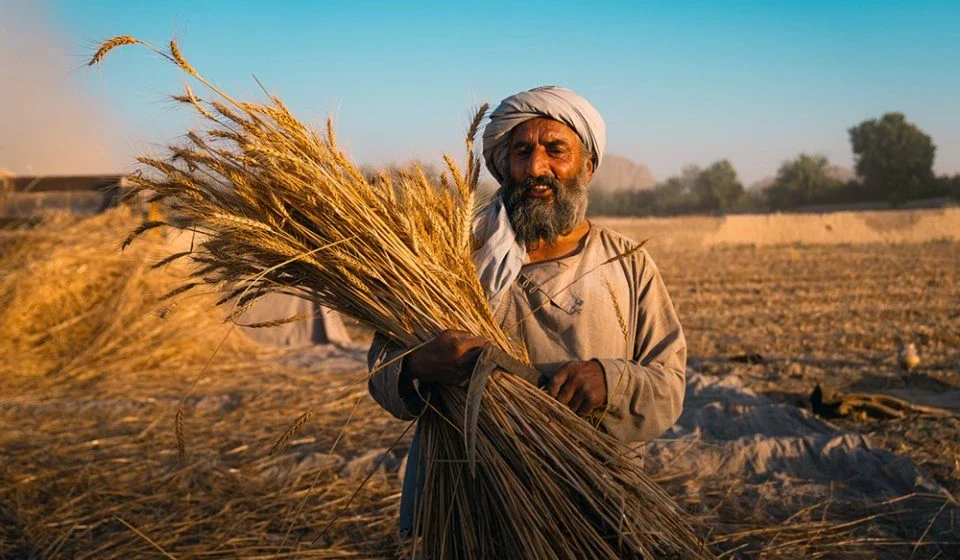

The Food and Agriculture Organization of the United Nations has finalized an international emergency reserve treaty aimed at keeping grain moving when climate disasters, market disruptions, and supply shortages threaten vulnerable regions. The agreement represents a significant shift toward coordinated food security planning, placing shared grain reserves and reliable distribution channels at the center of efforts to contain sudden price spikes.
A New International Buffer Against Food Supply Disruptions
For families living close to the edge of affordability, a grain shortage is rarely an abstract economic problem. When wheat, maize, or rice becomes scarce, the effects can appear quickly in neighborhood markets, household kitchens, school meal programs, and rural communities. A sudden increase in the price of a staple can force families to reduce meals, switch to less nutritious foods, or spend money intended for medicine, education, and other necessities.
The new international reserve framework is designed to address that vulnerability before a local shortage becomes a wider food crisis. Under the arrangement, participating countries would coordinate emergency grain stocks and distribution mechanisms so supplies can be released when severe climate events or other major disruptions threaten food availability.
The approach reflects a long standing concern within global food policy. Research from FAO has found that food price volatility can place particularly heavy pressure on poorer households and countries that depend heavily on imports. Large and unexpected price movements can damage food access even when global supplies remain sufficient overall. FAO research has also highlighted the role that adequate stocks and functioning international markets can play in reducing the impact of supply shocks.
FAO’s latest food market assessments have likewise pointed to weather conditions, geopolitical tensions, energy costs, fertilizer markets, and trade uncertainty as important risks facing cereal markets. The agency has warned that production may remain historically strong while still becoming more vulnerable to sudden disruptions.
Why Climate Shocks Make Grain Reserves More Urgent
Climate related disruptions can strike at several points in the food system at once. Drought can reduce harvests and drain irrigation supplies. Floods can destroy standing crops, roads, storage facilities, and rural bridges. Heat can damage yields during critical growing periods, while storms can disrupt ports and transport networks after crops have already been harvested.
These events become more damaging when several producing regions experience problems during the same season. A country that normally relies on international purchases may suddenly find that alternative suppliers are facing their own shortages. Shipping interruptions can add another layer of pressure, particularly when grain must travel long distances from major exporting regions to import dependent markets.
We have seen how quickly such pressures can reach ordinary consumers. A grain market may respond to expectations of tighter supplies before the physical shortage becomes visible. Traders adjust purchasing decisions, importers seek replacement cargoes, and governments may increase procurement. Those reactions can amplify price movements, especially when available stocks are already limited.
A coordinated emergency reserve can provide a physical supply cushion during that critical period. Rather than waiting for production to recover or for commercial markets to locate new supplies, participating countries can draw from strategically positioned stocks while normal trade channels are restored.
Protecting Vulnerable Regions From Sudden Price Spikes
The central objective is not necessarily to hold down grain prices permanently. Agricultural markets naturally respond to changes in production, demand, transportation costs, and currency conditions. The more immediate concern is preventing an extreme supply shock from turning into an abrupt food access crisis.
This distinction matters because poorly managed stockpiles can become expensive and ineffective. FAO research has previously noted that emergency food reserves can be useful when they are relatively limited, clearly targeted, adequately financed, and connected to reliable early warning systems. Poor storage, delayed releases, and unclear operating rules can reduce their value and create additional costs.
The international treaty therefore places particular importance on distribution channels as well as physical reserves. Grain sitting safely inside a warehouse does little for a family facing empty market shelves if roads, ports, rail links, contracts, or financing systems cannot move that grain where it is needed.
What the Reserve System Could Provide
- Emergency grain supplies for regions facing severe climate related shortages
- Coordinated release mechanisms during major disruptions
- Greater continuity in cross border grain distribution
- Additional protection for import dependent food markets
- More predictable emergency planning for governments and humanitarian agencies
The effectiveness of those measures will depend heavily on implementation. Reserve locations must be selected carefully, storage facilities must maintain food quality, and grain must be rotated before deterioration occurs. Governments will also need clear rules determining when stocks can be released and which populations should receive priority.
Early Warning Systems Will Be Critical
Stockpiling alone cannot prevent a food crisis. The system must be able to identify emerging risks early enough to act.
That means combining weather monitoring, crop assessments, market information, satellite observations, transportation data, and food security indicators. A drought detected months before harvest can trigger preparations that would be impossible once markets are already experiencing shortages.
FAO’s existing food monitoring work provides an important foundation for this type of coordination. Its Global Information and Early Warning System tracks food production and food security conditions across countries and regions, helping identify situations where supplies or access may deteriorate.
The reserve treaty could make such information more operational by connecting early warnings to predefined emergency responses. Instead of debating whether a crisis has become severe enough after prices have already surged, governments could use agreed indicators to begin releasing supplies and arranging transportation.
Trade Routes Matter as Much as Grain Stocks
One of the most difficult lessons from recent food disruptions is that having enough grain somewhere in the world does not guarantee that it will reach people who need it.
Ports can close. Roads can become impassable. Conflict can disrupt shipping. Fuel prices can rise sharply. Export restrictions can limit access to supplies that would otherwise be available through commercial markets. A climate disaster can damage both agricultural production and the infrastructure needed to distribute what survives.
For this reason, a transnational reserve system must be designed around multiple supply routes. Regional warehouses, alternative ports, reliable transport contracts, and agreements with commercial logistics providers could help reduce dependence on a single corridor.
The strategy also fits with FAO’s broader concern about resilience across agrifood systems. The agency’s 2026 assessments have highlighted the combined pressure created by weather risks, geopolitical instability, energy markets, fertilizer costs, and disruptions to international trade. FAO’s food security and agricultural market resources provide continuing analysis of these pressures and their effects on vulnerable populations.
Developing Countries Could See the Greatest Benefit
The consequences of grain volatility are rarely distributed evenly. Wealthier countries generally have more capacity to finance imports, subsidize consumers, expand social protection, or absorb temporary increases in food costs. Poorer countries often have fewer options.
For import dependent economies, a sudden rise in wheat or rice prices can quickly strain foreign exchange reserves and government budgets. Families then face the pressure directly through higher prices for flour, bread, rice, cooking staples, and prepared foods.
Small farmers can also be affected. A weather disaster may reduce their harvest while increasing the cost of seeds, fertilizer, fuel, and transportation. If they are net buyers of food, they may face higher prices even after losing part of their own production.
That makes the social dimension of the reserve treaty particularly significant. Food security is not simply about the number of tonnes stored in warehouses. It is about whether people can obtain safe and nutritious food at a time when their incomes and livelihoods may already be under severe pressure.
The Treaty Will Face Practical and Political Tests
The agreement does not eliminate the risks facing global agriculture. Countries will still need to invest in climate resilient farming, irrigation, storage infrastructure, rural roads, crop research, insurance, and social protection.
There will also be difficult questions about who pays for the reserves, where grain is stored, how much each country contributes, and who has authority to approve emergency releases. Governments may disagree over whether reserves should be used strictly for humanitarian emergencies or also during periods of severe commercial price volatility.
Storage itself presents another challenge. Grain is perishable, and maintaining reserves requires regular inspection, rotation, pest control, energy, security, and transportation. Those expenses must be balanced against the potentially enormous economic and humanitarian cost of allowing a supply shock to escalate.
Transparency will therefore be essential. Clear reserve targets, public reporting, independent monitoring, and predictable release rules could help prevent political interference and discourage countries from treating international emergency stocks as ordinary commercial inventories.
A More Coordinated Approach to Global Food Security
The significance of the FAO agreement ultimately lies in its attempt to prepare for food disruptions before they become emergencies. For decades, international food policy has wrestled with the difficulty of balancing efficient markets against the need for physical protection against rare but devastating supply shocks.
The new reserve framework takes a pragmatic position. Markets remain essential, but markets cannot always respond quickly enough to disasters that destroy crops, infrastructure, or purchasing power at the same time. A carefully governed emergency reserve can provide breathing room while farmers, traders, governments, and humanitarian organizations restore normal supply channels.
For people sitting at a kitchen table and deciding how far a household budget will stretch, that breathing room can have profound consequences. It can mean keeping bread on the table, maintaining a child’s school meal, or avoiding the painful decision to sacrifice nutritious food for cheaper alternatives.
The success of the treaty will ultimately be measured not by the amount of grain stored, but by whether supplies can reach vulnerable communities quickly, fairly, and reliably when climate shocks strike. If countries can maintain adequate reserves, protect trade routes, act on early warnings, and keep emergency decisions transparent, the arrangement could become an important part of a broader international effort to make food systems less vulnerable to the next drought, flood, heatwave, or harvest failure.