

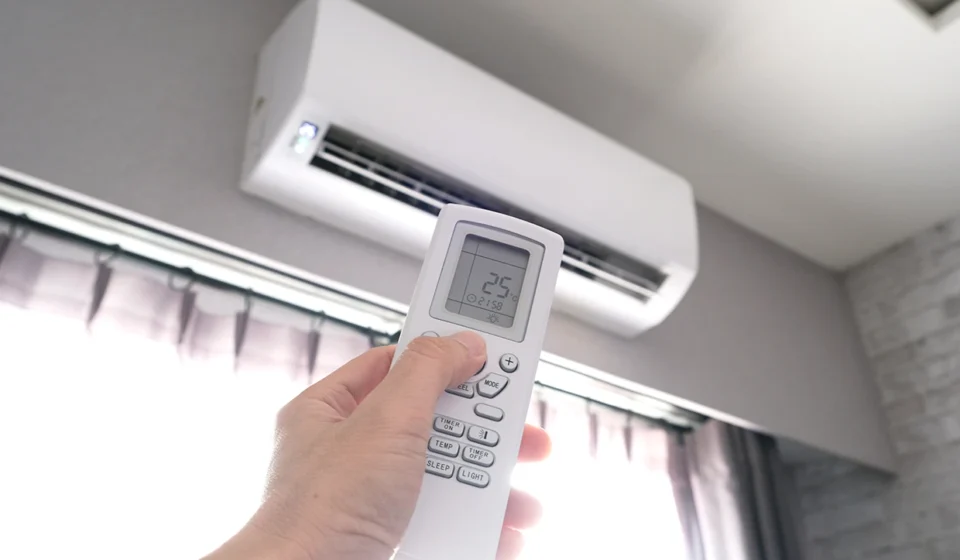

Walk into almost any hardware store or big box retailer this week and you will notice the same thing we have been noticing in newsrooms and neighborhoods alike: the smart thermostat aisle looks like it has been picked over by a storm. Home improvement retailers and residential HVAC contractors are reporting a sharp jump in installations of automated thermostats and energy efficient climate control retrofits, and the reason is not complicated. Punishing summer heat combined with utility bills that keep climbing has pushed millions of households past the point of shrugging it off. We are witnessing a genuine shift in how ordinary families think about the box on their hallway wall, and it is worth understanding why.
A Summer That Broke Records, and Budgets
Anyone who has stepped outside in the last few weeks knows this has been a brutal stretch. Prolonged heat has kept air conditioners running for hours at a stretch, and in many parts of the country overnight temperatures have not dropped enough to give cooling systems a break. That constant demand adds up fast on a power bill. Federal energy forecasters have pointed to higher electricity consumption this summer compared with recent years, driven by a mix of extreme heat, growing appliance use in homes, and rising demand from data centers and businesses competing for the same grid capacity. In several regions, natural gas price pressure has pushed electricity rates even higher, compounding the pain for households that were already stretched thin.
We have heard from readers who describe opening their bill and feeling a jolt they were not prepared for. It is one thing to expect a modest seasonal increase. It is another to see a number that eats into rent money or forces a hard conversation about the family budget. That emotional weight, the quiet dread of the mailbox in July and August, is a big part of why so many households are finally ready to make a change instead of just enduring another summer.
The Rush to Smart Thermostats
Retailers and contractors we spoke with describe a pattern that has become familiar every time a heat wave stretches into its second or third week. Sales of programmable and app controlled thermostats spike, service calls for HVAC tune ups increase, and interest in whole home retrofits, from attic insulation to duct sealing, climbs right alongside them. What is different this year is the scale. Reports from residential HVAC providers point to a meaningful uptick in smart thermostat installations as part of a broader wave of climate control upgrades, not a one off purchase but part of a larger effort to get a home under control before the next heat wave hits.
Part of the appeal is how approachable these devices have become. A homeowner no longer needs an electrician to get a learning thermostat up and running. Most models pair with a phone app in minutes, adjust automatically based on occupancy patterns, and send alerts when a system is running longer than it should. For a generation of homeowners who already manage their finances and their homes from a phone screen, that kind of visibility feels less like a luxury and more like a basic expectation.
What the Savings Actually Look Like
It is worth pausing here and being honest with readers, because marketing claims and real world results do not always match. Manufacturers often advertise total energy savings in the range of 8 to 26 percent, but independent researchers and consumer testing groups tend to find more modest, consistent results, typically in the 10 to 15 percent range for cooling costs specifically. That distinction matters. If a household’s summer electric bill climbs to 300 dollars and roughly half of that comes from air conditioning, a 10 to 15 percent reduction in cooling costs translates into real, if not dramatic, monthly savings.
The people who benefit most tend to be those who previously left their thermostat at one steady setting around the clock. If someone already adjusts the temperature manually before leaving for work or heading to bed, a smart thermostat will save less simply because there is less inefficiency left to correct. That said, the benefits extend beyond the bill itself. Reducing how often an air conditioner cycles on and off can ease wear on expensive HVAC equipment, potentially delaying a repair or replacement that could otherwise cost thousands of dollars. Consumer Reports has noted that cooling alone accounts for roughly a fifth of a typical home’s energy costs, which is exactly why even a partial improvement in that category shows up on the bottom line, a point the outlet breaks down in detail for homeowners weighing their options.
More Than a Thermostat: The Broader Retrofit Wave
What strikes us most in this current wave is that the thermostat is often just the entry point. Homeowners who start by researching a smart thermostat frequently end up learning about air sealing, attic insulation upgrades, high efficiency heat pumps, and window films that reduce solar heat gain. Contractors describe a domino effect: a customer calls about a thermostat, a technician notices poor insulation or an aging, oversized air conditioning unit during the visit, and the conversation naturally expands into a broader retrofit.
This kind of layered approach tends to produce better results than any single fix on its own. A smart thermostat paired with sealed ductwork and adequate insulation can meaningfully outperform a smart thermostat installed in a leaky, poorly insulated house. Programs and resources from groups like the U.S. Department of Energy’s ENERGY STAR initiative continue to serve as a starting point for many homeowners trying to figure out which upgrades actually qualify for rebates or tax incentives before they commit to a contractor.
Who Is Driving This Surge
It would be easy to assume this trend is limited to affluent homeowners with money to spare for home improvement projects, but the reality we are seeing is more nuanced. Many of the households pursuing these upgrades are middle income families trying to get ahead of a bill that has become genuinely difficult to absorb. Renters with variable rate electricity plans, retirees on fixed incomes, and young families juggling child care costs alongside rent or a mortgage are all showing up in the data. Financial experts have pointed out that households already spending a large share of income on housing have little room left to absorb an unexpected spike, which is exactly the pressure pushing so many people toward proactive fixes rather than waiting to react after the damage is done.
There is also a generational element worth noting. Younger homeowners, many of whom grew up with connected devices as a default rather than a novelty, tend to view a smart thermostat less as an upgrade and more as a baseline feature, similar to a doorbell camera or a connected garage door. That shift in expectation is quietly reshaping what buyers look for when they walk through a home for sale, and real estate agents in hot climate markets have started mentioning smart climate control as a selling point rather than an afterthought.
A Practical Path Forward
For readers weighing whether now is the right time to make a move, a few grounded principles tend to hold up well.
- Start with a home energy assessment or a simple thermostat data review before spending money on a full retrofit, so any upgrade targets the actual source of waste.
- Treat manufacturer savings claims as a ceiling, not a guarantee, and budget expectations closer to the 10 to 15 percent range that independent testing tends to confirm.
- Look into local utility rebates, manufacturer promotions, and federal incentive programs before purchasing, since the upfront cost of a smart thermostat or larger retrofit can often be reduced significantly.
None of this requires a dramatic overhaul overnight. Even a single well chosen upgrade, installed correctly and paired with a bit of ongoing attention, can chip away at a bill that has felt out of control. What we are seeing this summer is not a fad driven by clever advertising. It is a practical, understandable response from households who are tired of feeling powerless against the weather and their own utility company, and who have finally found a set of tools simple enough to actually use.