

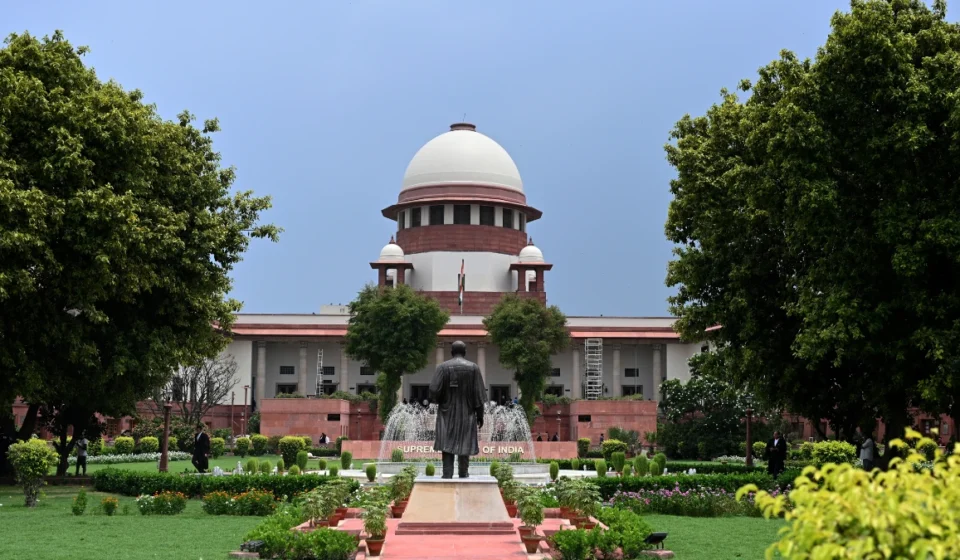

Thousands of aspiring medical students spend years preparing for the National Eligibility cum Entrance Test, knowing that a single examination can shape their academic future. That sense of certainty has been shaken after several high scoring candidates in the NEET UG 2026 examination approached the Supreme Court of India, alleging serious discrepancies in their official Optical Mark Recognition response sheets. The petition, filed on August 5, 2026, has placed the examination process under intense public scrutiny while raising fresh concerns about transparency, fairness, and confidence in one of India’s largest entrance examinations.
Supreme Court Asked to Review Alleged OMR Sheet Variations
The petitioners argue that the officially released OMR response sheets contain critical differences when compared with the answers they claim to have marked during the examination. According to the filing, these inconsistencies may have affected individual scores and, by extension, admission opportunities into highly competitive medical colleges across the country.
The Supreme Court is now expected to examine whether the allegations warrant judicial intervention. At this stage, the filing itself does not establish wrongdoing. Instead, it seeks an impartial review of the disputed response sheets and asks for appropriate relief if discrepancies are confirmed through official examination.
The development has quickly attracted nationwide attention because even minor scoring differences in NEET can significantly alter national rankings. A change of only a few marks may determine whether a student secures admission to a government medical college or loses a seat altogether.
Why OMR Sheets Matter in Competitive Examinations
Optical Mark Recognition technology remains a cornerstone of large scale examinations because it allows millions of answer sheets to be processed efficiently and consistently. Candidates typically receive copies of their recorded responses as part of the transparency measures adopted by examination authorities.
Students use these records to compare their answers with the official answer key and estimate their likely scores before final results are declared. Any variation between what a candidate remembers marking and what appears on the official OMR sheet naturally becomes a matter of concern, particularly in examinations where every mark carries exceptional weight.
The current petition highlights the importance of maintaining complete confidence in digital scanning, record preservation, and response verification procedures. Even if only a limited number of candidates are affected, questions surrounding accuracy can influence public trust in the examination system.
High Stakes Competition Makes Every Mark Valuable
NEET remains the primary gateway for undergraduate medical education in India. Every year, millions of students compete for a limited number of seats in government and private medical institutions. The competition is fierce, with top ranks often separated by only a handful of marks.
For students, families, and educators, examination day represents the culmination of years of disciplined preparation, financial investment, and emotional commitment. Long study hours, coaching programs, mock examinations, and personal sacrifices create expectations that every answer will be evaluated fairly.
When questions emerge about response sheet accuracy, the issue extends beyond technical procedures. It touches the confidence students place in the institutions responsible for conducting one of the country’s most significant academic assessments.
Legal Questions Likely to Shape the Case
The Supreme Court may consider several legal and procedural questions as the matter progresses. Among the issues likely to receive attention are whether the petitioners have presented sufficient evidence to justify a detailed investigation, whether any discrepancies affected final scores, and whether existing verification mechanisms were followed properly.
The court could also examine whether additional safeguards should be introduced for future examinations to reduce the possibility of similar disputes. Such measures, if recommended, might influence examination administration well beyond the current admission cycle.
Information regarding the functioning of India’s judicial system and ongoing proceedings can be found through the official Supreme Court of India website.
Students Seek Greater Transparency
Many education experts believe that transparency plays a central role in preserving confidence in competitive examinations. Candidates generally expect prompt access to answer keys, response sheets, objection windows, and clearly explained evaluation methods.
Students involved in the present petition reportedly seek a detailed examination of their response records rather than immediate changes to the overall results. They argue that an independent verification process would help determine whether the alleged inconsistencies arose during scanning, record generation, or another stage of the evaluation process.
For candidates waiting anxiously for admission counseling, clarity may prove just as valuable as the final judicial outcome. A transparent review process could help reassure students that every legitimate concern receives careful consideration.
Potential Impact on Medical Admissions
Although the case is still in its early stages, any significant judicial direction could influence admission timelines if the court determines that broader verification becomes necessary. Authorities responsible for counseling and seat allocation typically work within carefully planned schedules, making timing an important consideration.
Legal experts often note that courts attempt to balance two competing priorities in education related disputes. One is protecting the rights of individual students. The other is avoiding unnecessary disruption to the broader academic calendar affecting thousands of institutions and candidates.
Whether the present petition leads to individual relief, procedural improvements, or broader examination reforms will depend on the evidence presented during the proceedings.
Technology and Examination Integrity
Modern entrance examinations increasingly depend on digital technologies for registration, attendance, answer recording, evaluation, and result publication. While these systems improve efficiency, they also require rigorous quality control and regular auditing.
Independent experts have frequently suggested measures such as stronger digital verification logs, additional image validation during OMR scanning, secure archival systems, and clearer candidate review procedures. Such practices can strengthen confidence without slowing the evaluation process.
Educational testing standards published by organizations including the Educational Testing Service highlight the importance of reliability, fairness, and accurate score reporting in high stakes assessments. These principles remain relevant across examination systems worldwide.
Public Confidence Remains Central
Every major entrance examination depends not only on technical accuracy but also on public confidence. Students must believe that their performance alone determines their outcome. Parents expect transparency after years of supporting their children’s educational journey. Universities rely on examination results to admit qualified future physicians who will eventually serve communities across the country.
The present legal challenge reminds policymakers that maintaining trust requires continuous improvement, open communication, and effective grievance mechanisms. Even isolated concerns deserve careful attention when they involve examinations that influence professional careers.
What Comes Next
The Supreme Court will decide how the petition should proceed after reviewing the submissions from the students and the responses presented by the relevant examination authorities. Any future orders may clarify whether additional verification, technical examination, or other corrective measures are necessary.
For now, the petition represents an important moment in the ongoing discussion about accountability within large scale entrance examinations. Regardless of the final outcome, the case has renewed attention on examination transparency, digital evaluation systems, and the responsibility of educational institutions to preserve confidence in every stage of the assessment process.
For the students awaiting answers, the courtroom has become another examination hall where the result could shape not only individual careers but also future expectations for fairness in one of India’s most consequential academic selection processes.