

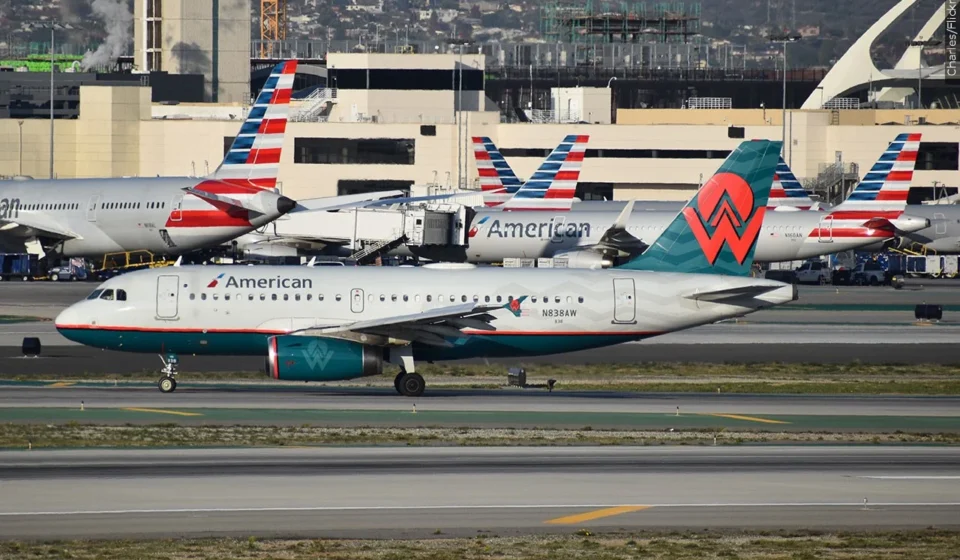

Severe thunderstorms sweeping across the Northeastern United States on July 22, 2026, created a ripple effect that stretched far beyond the region itself. Flights bound for Europe faced delays, cancellations, and lengthy ground holds as major airports struggled with dangerous weather conditions. In response, several international airlines introduced widespread travel fee waivers and flexible rebooking policies, giving passengers more options during an already stressful travel period.
We have seen weather disrupt air travel before, yet this latest round of storms highlights how quickly a single weather system can affect travelers across continents. With millions of people flying during the busy summer season, disruptions at major East Coast hubs can spread throughout airline networks within hours, affecting passengers heading to destinations across Europe and beyond.
Powerful Storms Put Major East Coast Airports Under Pressure
Thunderstorms moved through parts of the Northeast with intense rainfall, frequent lightning, strong wind gusts, and rapidly changing weather conditions. These hazards forced air traffic controllers to slow aircraft movements while airlines delayed departures and arrivals to maintain safety.
Busy international gateways including New York, Boston, Philadelphia, and Washington experienced operational challenges as crews adjusted schedules around severe weather. Aircraft arriving from overseas often had limited gate availability because departing flights remained on the ground longer than expected.
The result was a chain reaction across airline schedules. Flights originating in Europe encountered revised arrival times, while passengers preparing to depart from the United States faced uncertain departure windows.
Airlines Respond With Flexible Travel Policies
Recognizing that travelers could not control the weather, several major international carriers announced temporary travel waivers covering affected routes. These policies generally allowed eligible passengers to change travel dates without paying standard change fees, provided they met the conditions established by each airline.
Many carriers also expanded rebooking options for travelers whose flights were delayed or canceled because of weather related operational issues. Customer service teams worked to move passengers onto later departures or alternate connecting flights whenever seats became available.
Although individual airline policies differed, many included benefits such as:
- Change fee waivers for eligible tickets.
- Flexible travel date adjustments within a specified period.
- Rebooking on alternate flights when space permitted.
- Online self service tools that reduced the need to wait for phone support.
Passengers were encouraged to review their airline’s latest travel advisory before heading to the airport since eligibility requirements varied depending on ticket type and departure city.
Why Weather Disruptions Spread Across the Atlantic
Many travelers wonder why a thunderstorm over the Eastern United States can interrupt flights arriving from cities thousands of miles away. The answer lies in the tightly connected nature of international airline operations.
Aircraft scheduled to fly from New York to London may first arrive from another international destination. When weather delays one segment of the journey, subsequent flights often leave late as well. Flight crews must also comply with federal duty time regulations, meaning extended delays can require schedule adjustments or replacement crews.
Airport congestion adds another layer of complexity. If arriving aircraft cannot access gates because departing planes remain parked, airlines may keep incoming flights on taxiways until space becomes available.
These operational challenges can quickly affect dozens of international departures within a single afternoon.
Travelers Face Long Waits but Also More Flexibility
Inside airport terminals, many passengers spent hours monitoring departure boards while airline staff worked through changing conditions. Families with vacation plans, business travelers with time sensitive meetings, and students returning overseas all shared the same uncertainty.
Despite the inconvenience, flexible rebooking policies helped reduce some of the financial burden. Travelers who chose to postpone their trips often avoided paying costly change penalties that would normally apply during peak travel periods.
We continue to see airlines invest in digital tools that notify customers of schedule changes through mobile applications and text messages. These updates allow passengers to make informed decisions before traveling to crowded airports.
Safety Remains the Highest Priority
Although delays can be frustrating, aviation experts consistently stress that severe thunderstorms present genuine safety risks. Lightning, wind shear, heavy rainfall, and rapidly developing storm cells require careful coordination between pilots, dispatchers, meteorologists, and air traffic controllers.
Commercial aircraft are designed to operate safely in a wide range of weather conditions, yet pilots avoid flying directly through severe thunderstorm activity whenever possible. Delaying a flight is often the safest decision for passengers and flight crews alike.
The Federal Aviation Administration regularly manages traffic flow restrictions during periods of hazardous weather, helping maintain safe separation between aircraft while minimizing operational risks.
How Passengers Can Reduce Stress During Weather Delays
Travel disruptions are rarely convenient, but preparation can make a significant difference. Travelers heading through major East Coast airports during periods of severe weather should monitor forecasts and airline notifications throughout the day.
Simple steps can help reduce unnecessary stress:
- Check flight status several times before leaving for the airport.
- Keep mobile devices fully charged for airline updates.
- Carry essential medications and travel documents in a personal bag.
- Allow extra connection time whenever possible.
- Review airline rebooking options before contacting customer service.
Many travelers also benefit from travel insurance that covers qualifying weather related interruptions, although coverage depends on individual policy terms.
Summer Weather Continues to Challenge Air Travel
Late July traditionally brings frequent afternoon thunderstorms across much of the Eastern United States. Warm temperatures, abundant moisture, and unstable atmospheric conditions often produce rapidly developing storm systems capable of disrupting aviation for several hours.
Unlike winter storms that can be forecast several days ahead with relatively consistent confidence, summer thunderstorms may change intensity and location within a short period. This makes operational planning especially challenging for airlines serving busy international airports.
Weather specialists continue to encourage travelers to monitor official forecasts through the National Weather Service, particularly when departing from airports along the Atlantic corridor.
Economic Effects Reach Beyond Travelers
Flight disruptions affect more than vacation schedules. Airlines face additional operating expenses from extended ground operations, fuel consumption, crew scheduling changes, and passenger accommodations. Airports must also coordinate baggage handling, gate assignments, and customer service resources while adjusting to shifting schedules.
Hotels near major airports often experience increased demand from stranded passengers, while ground transportation providers manage changing arrival patterns throughout the day.
The broader travel industry has become increasingly resilient through improved forecasting technology and better communication systems, yet severe weather remains one of the few factors that cannot be eliminated from modern aviation.
What Travelers Should Expect in the Coming Days
As weather conditions improve, airlines typically work through backlogged schedules by repositioning aircraft and restoring normal operations as quickly as practical. Some travelers may still experience residual delays because aircraft and flight crews require time to return to their planned rotations.
Passengers with upcoming transatlantic journeys should continue checking airline advisories, especially if traveling through major East Coast connection points. Flexible booking policies announced during significant weather events often remain available for a limited period, giving travelers additional choices if their itineraries are affected.
The thunderstorms that swept across the Northeast served as another reminder that aviation depends on a complex balance between technology, coordination, and nature itself. While storm clouds eventually pass, their effects can linger across international flight networks long after skies begin to clear. For travelers, staying informed and remaining flexible remains the best strategy when severe weather interrupts even the most carefully planned journey.