

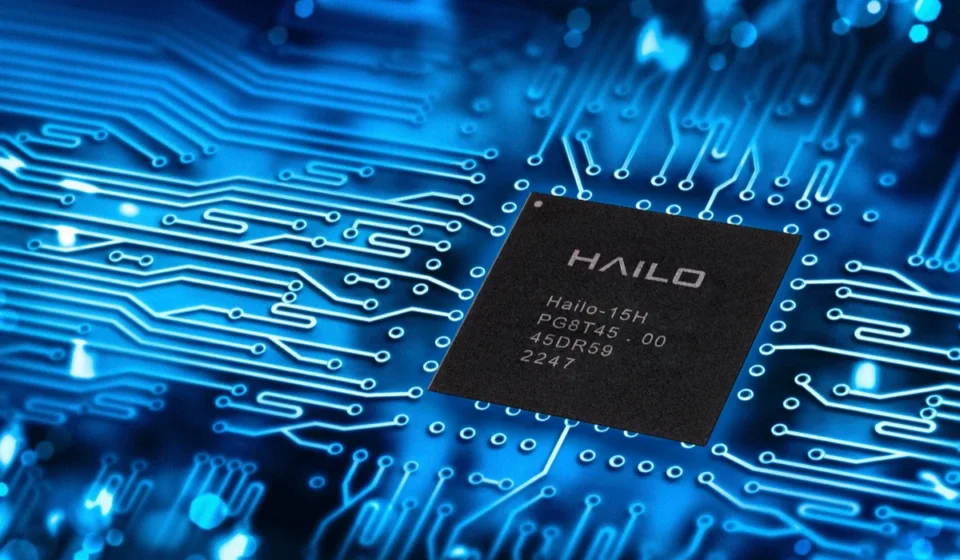

Microchip Technology has announced an agreement to acquire edge artificial intelligence developer Hailo, marking a significant step in the growing race to bring intelligent computing closer to machines operating in factories, transportation systems, medical equipment, and connected infrastructure. The deal, announced on July 24, 2026, reflects rising demand for processors that can perform advanced AI tasks directly on devices instead of relying on distant cloud servers. We see this move as more than a corporate acquisition. It signals a broader shift toward faster, more secure, and energy efficient industrial automation powered by edge intelligence.
Why This Acquisition Matters for Industrial AI
Microchip Technology has built its reputation by supplying microcontrollers, analog components, embedded processors, and connectivity solutions used in millions of electronic products worldwide. Hailo has gained recognition for designing specialized AI processors capable of handling computer vision and deep learning workloads while consuming relatively little power.
By bringing Hailo into its portfolio, Microchip aims to combine embedded control technology with advanced AI acceleration. This combination could allow manufacturers and equipment builders to create machines that recognize objects, inspect products, detect safety hazards, and make decisions in real time without depending on continuous internet connectivity.
Industrial organizations have increasingly sought AI systems that respond within fractions of a second. Cloud computing remains valuable for training large models and analyzing historical information, yet many factory floor operations require immediate responses. A robotic arm assembling precision components cannot wait for instructions traveling across a network. Edge AI addresses this challenge by processing data where it is generated.
Edge AI Continues to Gain Momentum
The edge AI market has expanded rapidly as businesses seek practical ways to reduce latency, improve cybersecurity, and lower operational costs. Instead of sending every image, sensor reading, or video stream to centralized servers, edge processors analyze information locally. This approach reduces bandwidth usage while allowing sensitive industrial information to remain inside secure facilities.
Applications continue to grow across multiple industries, including:
- Smart manufacturing with automated quality inspection.
- Warehouse robotics that identify products and navigate safely.
- Medical imaging systems requiring rapid analysis.
- Transportation platforms supporting driver assistance technologies.
- Agricultural equipment capable of recognizing crops and obstacles.
Each of these environments benefits from AI hardware that balances computing performance with efficient power consumption.
Microchip Expands Beyond Traditional Embedded Systems
For decades, Microchip Technology has served engineers designing embedded electronics across automotive, aerospace, industrial, medical, and consumer markets. The acquisition suggests the company intends to strengthen its position as customers increasingly request complete intelligent computing platforms instead of standalone processors.
Businesses developing modern industrial systems often want integrated hardware, software development tools, connectivity, functional safety support, and machine learning capabilities from a single supplier. Combining Hailo’s AI acceleration technology with Microchip’s extensive embedded ecosystem may simplify product development for engineers working under demanding schedules.
Developers could potentially access unified software environments that connect microcontrollers, sensors, networking solutions, and AI inference engines. Such integration often reduces engineering complexity while shortening development cycles.
Vision Processing Becomes Central to Factory Automation
Computer vision has become one of the fastest growing applications within industrial AI. Cameras installed throughout manufacturing facilities continuously monitor production lines, inspect finished products, identify defects, verify assembly accuracy, and help maintain workplace safety.
Traditional inspection methods frequently relied on fixed programming rules that struggled when products changed or lighting conditions varied. AI powered vision systems learn complex visual patterns, allowing them to recognize subtle imperfections that conventional systems may overlook.
Hailo’s technology has focused heavily on efficient neural network processing for vision applications. Integrating these capabilities into Microchip’s embedded platforms could create new opportunities for machine builders seeking reliable visual intelligence without excessive energy consumption.
Robotics Development Could Accelerate
Robotics represents another important area influenced by the acquisition. Industrial robots continue moving beyond repetitive manufacturing tasks into logistics, healthcare, agriculture, and collaborative workspaces where people and machines operate together.
Modern robots increasingly depend on onboard AI to interpret camera feeds, understand their surroundings, avoid collisions, and adjust movements instantly. Faster local processing supports safer and more responsive robotic behavior.
We expect equipment manufacturers to continue investing in processors capable of supporting simultaneous sensor fusion, object recognition, motion planning, and predictive maintenance. Specialized AI hardware has become an essential building block for achieving these goals.
Competition Across the Semiconductor Industry Continues to Intensify
The semiconductor industry has entered a period of intense competition centered on artificial intelligence. Major chip companies are expanding portfolios through internal research, strategic partnerships, and acquisitions that strengthen specialized capabilities.
Edge computing has attracted particular attention because organizations increasingly seek AI solutions that operate outside centralized data centers. Manufacturers want systems capable of maintaining productivity even when network connections become limited or unavailable.
This competitive environment has encouraged semiconductor companies to broaden their offerings beyond traditional processing hardware. Software development kits, optimized AI frameworks, security features, and integrated design tools now play equally important roles in customer purchasing decisions.
Benefits for Customers and Product Designers
Engineers developing industrial products often face pressure to deliver greater intelligence without increasing system complexity or energy requirements. A broader technology portfolio under one supplier can simplify procurement, compatibility testing, and long term product support.
Potential customer benefits include:
- Improved local AI performance for computer vision tasks.
- Lower latency for safety critical industrial operations.
- Reduced dependence on cloud connectivity.
- More efficient power usage in embedded devices.
- Access to integrated development resources for embedded AI applications.
Although customers will likely wait for additional technical details following completion of the transaction, the strategic direction appears closely aligned with current industrial automation priorities.
The Growing Importance of Edge Computing
Edge computing has steadily become a central pillar of digital infrastructure. Manufacturing facilities generate enormous volumes of sensor readings, images, and operational information every second. Processing this information locally often improves responsiveness while reducing network congestion.
Industrial organizations also continue placing greater importance on cybersecurity and operational resilience. Local processing allows sensitive production information to remain inside controlled environments while reducing exposure associated with transmitting large quantities of operational data across external networks.
Readers interested in broader developments surrounding embedded electronics can explore resources provided by the Semiconductor Industry Association. Additional information about industrial automation trends is available through the Automation.com knowledge platform.
Looking Ahead
The agreement between Microchip Technology and Hailo reflects a larger evolution taking place across industrial computing. Artificial intelligence is moving steadily from centralized servers into factory equipment, autonomous machines, medical devices, transportation systems, and intelligent infrastructure where immediate decisions matter most.
While financial terms and integration milestones will continue to attract attention, the broader story centers on technological capability. Organizations increasingly expect embedded systems to see, analyze, learn, and respond with remarkable speed while operating efficiently in demanding environments.
If successfully integrated, Hailo’s AI expertise and Microchip’s established embedded platform could help shape the next generation of intelligent industrial solutions. We expect manufacturers, robotics developers, and system designers to watch closely as the combined technologies begin appearing in future products, reflecting an industry moving steadily toward smarter, faster, and more autonomous edge computing.