

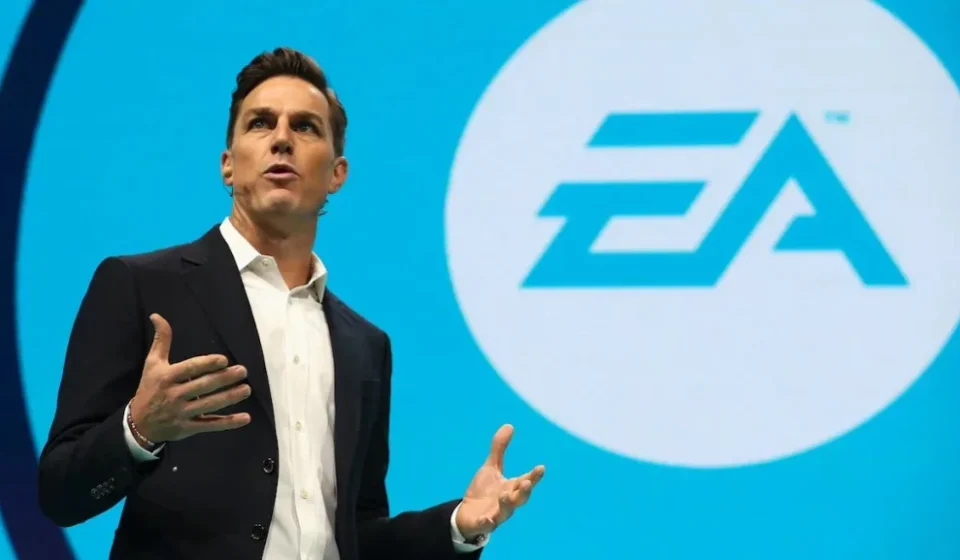

August 4, 2026 marked the end of a remarkable public market journey for Electronic Arts as the video game publisher officially completed a $55 billion acquisition led by Saudi Arabia’s Public Investment Fund together with private investment firm Silver Lake. After 37 years as a publicly traded company on the NASDAQ, EA has become a privately held business, closing one of the largest transactions ever completed in the global gaming sector. The move signals a significant shift not only for EA but also for the broader entertainment industry, where long term investment strategies are increasingly taking precedence over the quarterly expectations of public shareholders.
A Landmark Deal Ends Nearly Four Decades as a Public Company
Electronic Arts first joined the NASDAQ in 1989 and grew into one of the most recognizable names in interactive entertainment. During its time as a public company, EA introduced some of the gaming industry’s biggest franchises while expanding into digital distribution, online services, mobile gaming, and competitive esports.
The completion of the $55 billion buyout officially removes EA from public trading. Investors who followed the company through decades of changing technology, shifting consumer habits, and fierce competition have now witnessed the conclusion of one of the most influential chapters in modern gaming history.
The consortium leading the acquisition combines the financial resources of Saudi Arabia’s Public Investment Fund with the technology investment experience of Silver Lake. Together, the buyers are expected to support long term business planning without the constant pressure of quarterly earnings reports.
Why Going Private Matters
Public companies often balance ambitious creative projects with the expectations of shareholders seeking consistent financial performance. Video game development can require several years before a title reaches consumers, making long production cycles difficult to reconcile with short term financial targets.
Operating as a private company may provide EA with greater flexibility in several areas.
- Longer development timelines for major franchises.
- Greater investment in emerging technologies.
- Expanded experimentation with new intellectual property.
- Reduced pressure from short term market fluctuations.
- Potential restructuring of internal development studios.
Many industry observers believe this environment could encourage more ambitious projects while allowing executives to focus on sustainable growth rather than immediate quarterly performance.
Public Investment Fund Continues Expanding Its Gaming Portfolio
Saudi Arabia’s Public Investment Fund has steadily increased its presence across the international gaming business over recent years. Through investments in publishers, tournament organizers, esports initiatives, and technology companies, the fund has positioned gaming as one of its strategic growth sectors.
The acquisition of Electronic Arts represents one of the most significant investments made by the fund to date. It reflects broader efforts to diversify economic interests while supporting entertainment industries capable of reaching audiences across every continent.
Readers interested in learning more about the investment strategy behind the fund can explore the official Public Investment Fund website.
Silver Lake Brings Experience With Large Technology Investments
Silver Lake has built a reputation through investments in major technology businesses around the world. The firm’s experience managing large private companies is expected to complement the financial backing provided by the investment consortium.
Industry analysts often view partnerships between sovereign wealth funds and experienced technology investors as a combination that provides both financial stability and operational expertise. Such partnerships can allow management teams to pursue long term initiatives while maintaining disciplined financial oversight.
What This Could Mean for EA Franchises
Electronic Arts owns an extensive portfolio that spans sports simulation, action adventures, racing games, role playing experiences, and online multiplayer titles. Millions of players engage with EA products each year across personal computers, consoles, and mobile devices.
Although the acquisition itself does not automatically change development plans, industry watchers will closely monitor how private ownership influences future releases. Longer investment horizons could encourage larger creative risks, expanded research into artificial intelligence tools for game development, cloud based experiences, and stronger community focused features.
Existing live service games may also benefit from continued investment in infrastructure, player support, and content updates if management prioritizes sustained engagement over short term financial milestones.
Employees Face a New Corporate Chapter
Corporate acquisitions frequently create a mixture of excitement and uncertainty inside large organizations. Developers, artists, engineers, designers, and publishing teams often experience periods of adjustment as new ownership reviews priorities and long term business plans.
Many employees will be watching closely for leadership announcements, studio investment decisions, and organizational updates over the coming months. Stability during this transition could prove essential for maintaining development schedules and retaining experienced talent in an increasingly competitive labor market.
Broader Impact Across the Gaming Industry
The completion of this transaction reflects continuing consolidation across interactive entertainment. Major publishers have become increasingly valuable because of their established intellectual property, digital distribution networks, subscription services, and global player communities.
Large investment groups continue to view gaming as an attractive long term business thanks to recurring digital revenue, expanding online ecosystems, and steady global demand. This trend may encourage additional mergers, acquisitions, and strategic partnerships involving publishers, technology providers, and content creators.
Developers outside the largest publishers will also be paying attention. Private ownership of a major competitor could influence hiring, publishing partnerships, investment activity, and competition for new intellectual property.
Players Will Watch for Practical Changes
For gamers, ownership changes often raise familiar questions. Will favorite franchises continue receiving updates? Will pricing strategies change? Will studios receive additional resources? Those answers will emerge gradually as EA outlines its future direction under private ownership.
At present, players are likely to experience business continuity while leadership focuses on completing the transition. Existing online services, digital storefronts, and scheduled releases typically continue operating without immediate disruption following acquisitions of this scale.
A Defining Moment in Video Game History
Electronic Arts spent nearly four decades evolving alongside the modern video game industry. From boxed software sold in retail stores to massive online communities serving millions of players worldwide, the company’s history reflects many of the defining changes that shaped interactive entertainment.
Its departure from the NASDAQ closes a significant chapter while opening another that will unfold away from the public markets. Whether private ownership ultimately leads to greater creative freedom, stronger technological innovation, or a different corporate strategy will become clearer over the coming years.
Readers seeking additional information about Electronic Arts and its portfolio can visit the official Electronic Arts website. For now, the completion of this record breaking $55 billion acquisition stands as one of the most consequential corporate events the gaming industry has witnessed, reinforcing the growing importance of interactive entertainment within the global economy.