

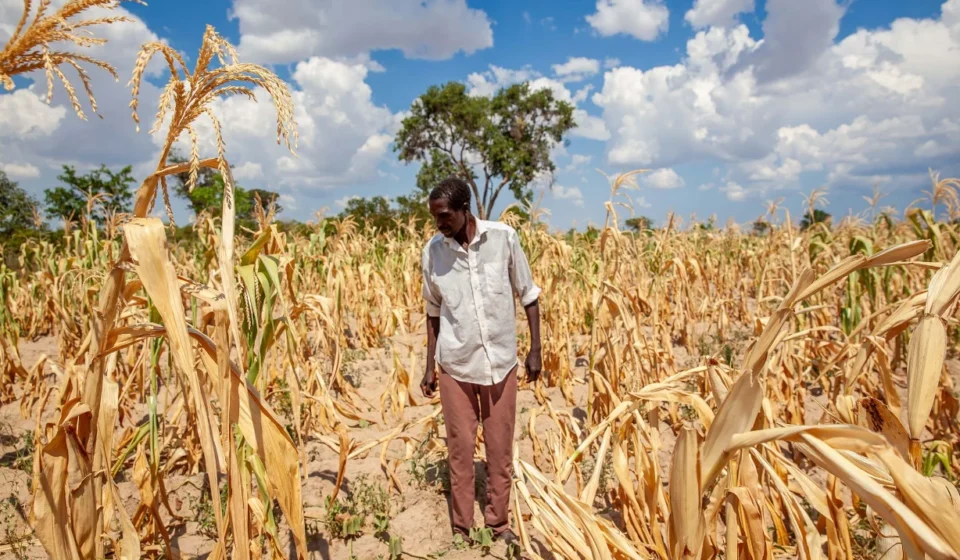

Shimmering fields that should be filled with healthy grain are instead showing signs of stress. Rivers that nourish farmland have either shrunk under relentless heat or spilled beyond their banks after intense rainfall. Across Europe and Asia, farmers are confronting one of the most challenging growing seasons in recent years, prompting agricultural organizations and international trade bodies to warn that declining harvests could ripple through global food markets. Their message is simple. When several major farming regions struggle at the same time, the consequences rarely remain local.
The warnings issued on August 3, 2026, reflect growing concern that severe climate events are reducing yields of important crops including wheat, corn, rice, vegetables, and oilseeds. While many countries still hold strategic food reserves, analysts believe prolonged production losses could tighten supplies, increase grocery prices, and place greater pressure on families already managing higher living costs.
Weather extremes are disrupting harvests across continents
European farmers have reported prolonged heat that has dried soils, accelerated crop maturity, and reduced grain development. At the same time, several parts of Asia have experienced destructive flooding that submerged farmland, delayed planting, and damaged irrigation systems. These contrasting weather patterns share a common outcome. Lower agricultural productivity during a critical growing period.
Climate scientists have repeatedly explained that warmer global temperatures increase the likelihood of more intense heatwaves while also allowing the atmosphere to hold greater amounts of moisture. This combination can create longer dry periods followed by heavier rainfall, placing extraordinary stress on crops that depend upon stable seasonal weather.
Many agricultural communities have adapted to changing conditions over the years through improved irrigation, stronger seed varieties, and better forecasting. Even so, the scale and frequency of recent weather events are testing the limits of those preparations.
Global food markets react quickly when several producers struggle together
Food supply chains connect farms, processors, exporters, shipping companies, retailers, and consumers across continents. A disappointing harvest in one region can often be balanced by stronger production elsewhere. Problems become much more serious when multiple important producing areas experience weather related setbacks during the same season.
Trade organizations warn that reduced harvests may tighten export supplies, particularly for staple foods that many countries import in large quantities. Nations that rely heavily on overseas grain purchases could face greater competition for available shipments, leading to higher international prices.
Consumers may first notice the effects through rising costs for bread, cereals, cooking oils, fresh produce, and livestock products. Animal feed becomes more expensive when grain supplies tighten, increasing production costs for meat, dairy, and poultry industries.
Farmers carry the immediate burden of climate uncertainty
Behind every harvest statistic stands a farming family making difficult decisions. Many growers have invested months of work and substantial financial resources before seeds even reach the soil. When floods destroy fields or extreme temperatures reduce yields, those investments can disappear within days.
Some farmers face additional expenses for repairing damaged equipment, restoring irrigation channels, replacing lost livestock, or purchasing new seed for future planting seasons. Insurance programs provide support in some regions, but coverage varies widely and often cannot fully compensate for widespread agricultural losses.
Agricultural associations say uncertainty has become one of the industry’s greatest challenges. Traditional planting calendars are becoming less reliable as seasonal weather patterns shift from historical expectations.
Consumers around the world may experience gradual price increases
Food inflation rarely develops overnight. Retail prices often rise gradually as wholesalers adjust to changing market conditions and businesses account for higher transportation, storage, and production expenses.
Households with lower incomes generally feel these increases most sharply because food represents a larger share of their monthly spending. International humanitarian organizations also monitor these trends closely since higher global prices can reduce access to nutritious food in vulnerable communities.
Experts caution that market outcomes will depend on harvest results over the coming months, existing grain inventories, government policies, and international trade flows. Strong production in other agricultural regions could offset some shortages, while additional weather disruptions could increase pressure on supplies.
Governments and agricultural leaders consider practical responses
Many governments are expanding discussions about food security as climate related risks become more frequent. Policy makers are evaluating ways to improve resilience across the agricultural sector while maintaining stable supplies for consumers.
- Increasing investment in drought tolerant and flood resilient crop varieties.
- Expanding efficient irrigation infrastructure and water management systems.
- Improving weather forecasting services for farming communities.
- Strengthening emergency grain reserves where appropriate.
- Supporting research into sustainable farming practices.
International cooperation also remains important because agricultural trade helps balance regional production shortages. Open communication between producing and importing nations can reduce uncertainty during periods of market stress.
Climate adaptation is becoming central to future farming
Researchers continue developing new technologies designed to help agriculture adapt to changing environmental conditions. Precision farming tools, satellite monitoring, soil moisture sensors, and advanced forecasting systems are allowing farmers to make more informed decisions throughout the growing season.
Plant breeding programs are producing crop varieties capable of tolerating hotter temperatures, irregular rainfall, and certain emerging plant diseases. While these advances offer meaningful opportunities, experts agree that adaptation requires long term investment rather than short term solutions.
Information from the Food and Agriculture Organization of the United Nations continues to highlight the importance of building resilient food systems that can withstand increasing climate variability. Scientific assessments published by the Intergovernmental Panel on Climate Change likewise show that agriculture remains among the sectors most exposed to changing weather patterns.
The connection between climate and food security grows stronger every year
The latest warnings from agricultural groups reflect a broader reality that extends well beyond this year’s harvest. Climate extremes are becoming a larger factor in food production decisions across nearly every region of the world. Farmers, food companies, governments, researchers, and consumers are increasingly connected through a shared challenge that begins in the field and eventually reaches dinner tables everywhere.
Although global agriculture has repeatedly demonstrated remarkable resilience, experts caution that resilience should not be mistaken for immunity. Consecutive years of severe weather can strain production systems, increase market volatility, and complicate efforts to maintain affordable food supplies.
The coming months will provide a clearer picture of harvest outcomes across Europe, Asia, and other producing regions. Until then, agricultural organizations continue urging governments, businesses, and international institutions to strengthen cooperation and invest in farming systems capable of enduring a future where extreme weather may become less of an exception and more of an expectation.